
Bihor County (Romania)
Bihor is a county in northwestern Romania, in the Crișana region, with Oradea as its capital. It features diverse landscapes, a multiethnic heritage, and economic ties across the Hungarian border.
Overview
Bihor County is an administrative region in northwestern Romania, located within the historical area known as Crișana. The county seat and largest city is Oradea, a cultural and economic center. In Hungarian the county is known as Bihar, reflecting its long shared history with neighboring Hungary.
Image gallery
10 Images




Geography and environment
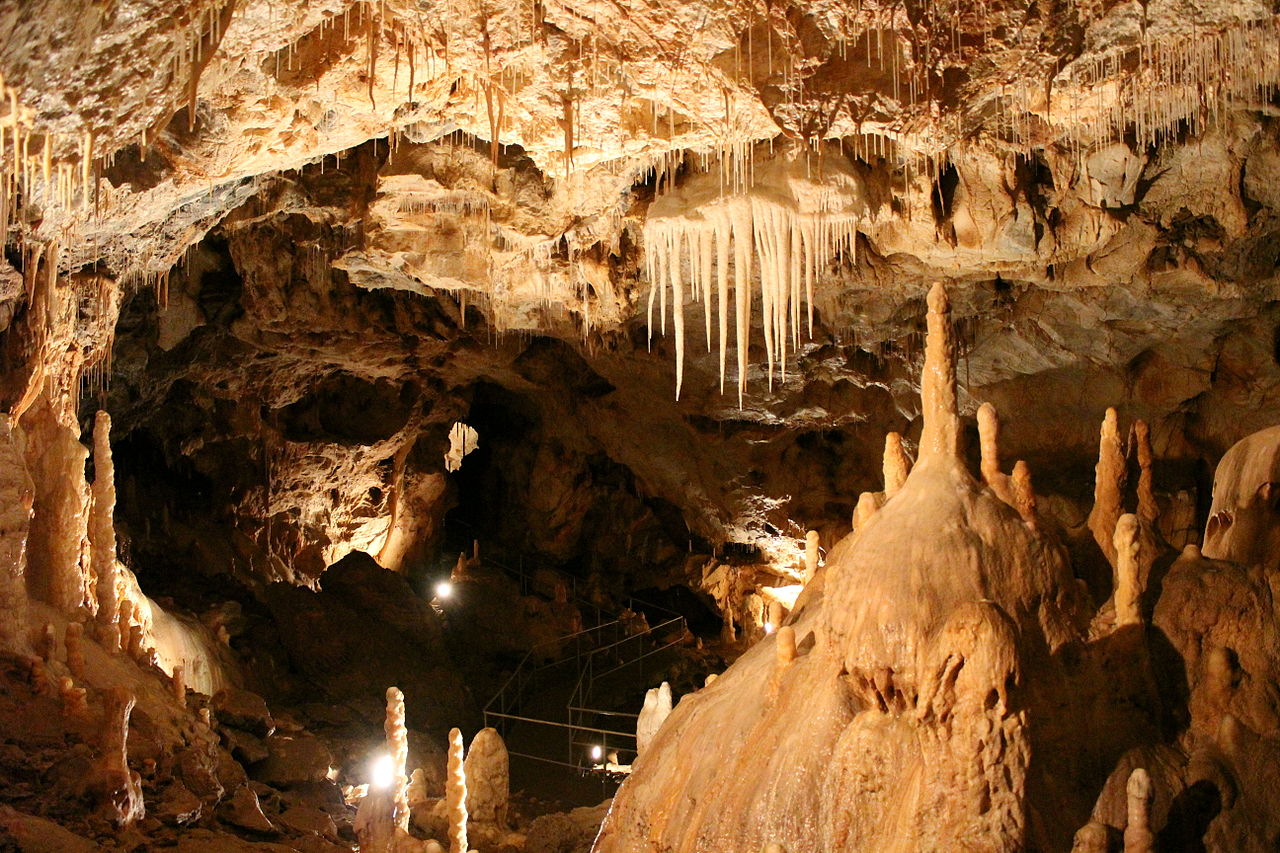
The landscape of Bihor ranges from low river valleys to hilly terrain and the lower ranges of the Apuseni Mountains. Several rivers cross the county, shaping fertile plains used for agriculture and creating corridors for settlements and transport. Natural features include woodlands, karst formations, caves and thermal springs that attract visitors and support local biodiversity.
History and culture
Historically the area was part of medieval Hungary and later the Austro-Hungarian realm; after World War I the region became part of modern Romania. That history is visible in architecture, place names and bilingual traditions. The population is multiethnic, with Romanian and Hungarian communities alongside other groups, contributing to a mixed cultural heritage expressed in festivals, cuisine and religious buildings.
Economy and transport
Bihor's economy combines agriculture, light industry, services and cross-border trade. Oradea functions as a regional hub for commerce, health services and education. Infrastructure includes road and rail connections that link the county to other Romanian regions and to Hungary, facilitating movement of people and goods.
Administration, tourism and amenities
The county is organized into municipalities, towns and numerous rural communes that manage local affairs. Tourism highlights include historic urban districts, thermal spa resorts, hiking and spelunking in mountain and karst areas. Visitors often explore restored Austro-Hungarian architecture, lively markets and countryside routes.
Notes and distinctions
Related articles
Author
AlegsaOnline.com Bihor County (Romania) Leandro Alegsa
URL: https://en.alegsaonline.com/art/11401