
Big Stone Gap, Virginia: Appalachian town with coal heritage and cultural sites
Big Stone Gap is a small town in southwestern Virginia's Appalachian region, noted for its coal-mining past, historic downtown, regional museum, and as the setting of Adriana Trigiani's novel and film.
Overview
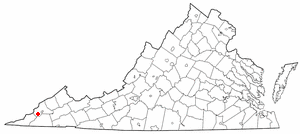
Big Stone Gap is a small town in Wise County in the southwestern corner of Virginia. It sits in the Appalachian Mountains and has long been identified with the coal-mining and railroad era that shaped much of southern Appalachia. The town serves as a local center for commerce, culture, and regional history.
Image gallery
5 Images


Name and geography
The town's name is derived from a distinctive gap or natural break in a nearby ridge, a feature common to the folded landscape of the central Appalachians. Surrounded by forested hills and narrow valleys, Big Stone Gap developed where transportation routes and streams converged, making it a convenient spot for settlement and later industrial activity.
History and economy
Big Stone Gap grew in importance with the arrival of rail lines and the expansion of coal mining in the late 19th and early 20th centuries. Coal extraction and related industries stimulated population growth and the establishment of stores, churches, and civic institutions. Like many towns in the region, it experienced economic shifts as energy markets and mining operations changed over time.
Culture and attractions
Today the town maintains a historic downtown and serves as a gateway for visitors exploring Appalachian culture. Notable local resources include museums and community events that interpret regional history. Examples include:
- Southwest Virginia Museum and regional exhibits interpreting social and industrial history
- Preserved downtown buildings and local shops offering crafts and Appalachian cuisine
- Outdoor opportunities on nearby ridges and valleys for scenic drives and walking
Notable associations
Big Stone Gap reached a wider audience through contemporary literature and film. Adriana Trigiani set a best-selling novel in the town, which was later adapted into a feature film; these works highlight local characters, small-town life, and the region's changing fortunes. Visitors often seek sites connected with that story and with the broader cultural legacy of Appalachia.
For practical information and resources about local history, events, and services, readers can consult the official town website and statewide tourism or informational portals such as state resources. These sources offer current details on museums, seasonal events, and opportunities to learn more about the town's past and present.
Tags
Related articles
Author
AlegsaOnline.com Big Stone Gap, Virginia: Appalachian town with coal heritage and cultural sites Leandro Alegsa
URL: https://en.alegsaonline.com/art/11369