
Alan Shepard: First American in Space and Apollo 14 Commander
American naval aviator and NASA astronaut who made the United States' first crewed spaceflight and later commanded Apollo 14, walking on the Moon and returning to NASA leadership roles.
Overview
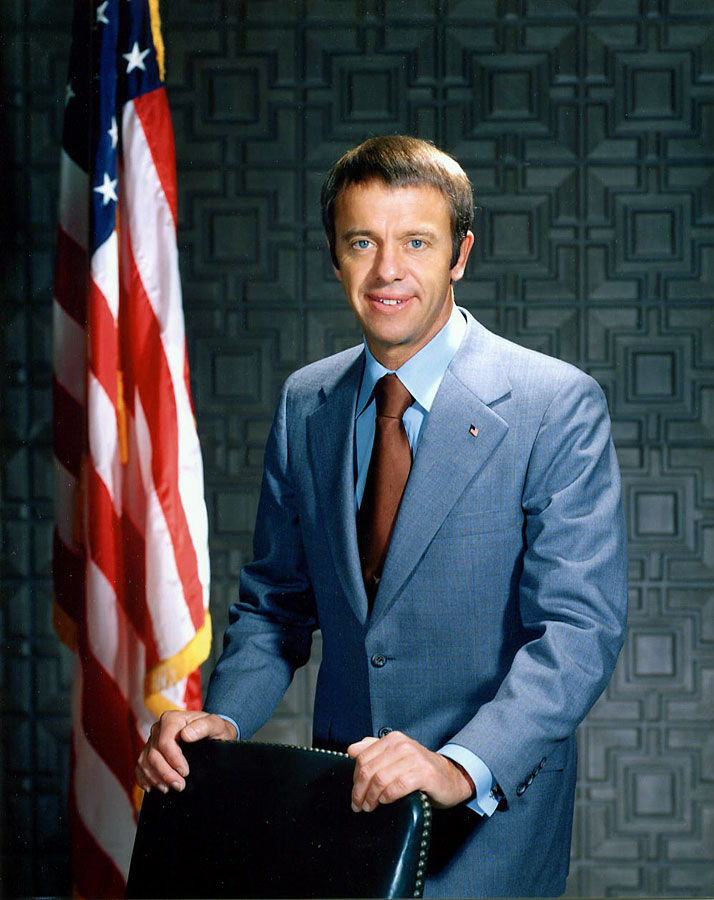
Alan B. Shepard Jr. was an American naval officer and NASA astronaut known for being the first American to travel into space and later for commanding a lunar landing mission. Born in East Derry, New Hampshire, he combined a career as a pilot, test pilot and naval officer with leadership and pioneering flights during the earliest years of human spaceflight. Shepard's career bridged the Mercury and Apollo programs and he is remembered for both technical achievements and a famously playful moment on the Moon.
Image gallery
10 Images




Early life and naval career
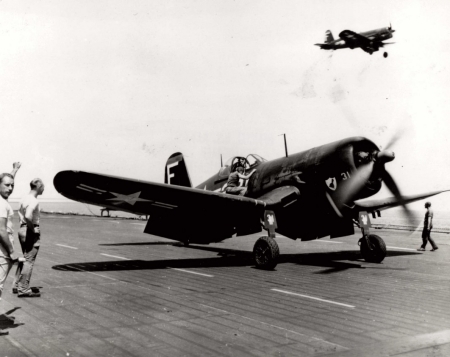
Shepard grew up in New England and graduated from the United States Naval Academy with a Bachelor of Science degree in 1944. He served as a naval aviator, flying combat and patrol missions during his early career, and completed advanced training at institutions such as the naval test pilot school and the Naval War College. His combination of operational flying experience and test-pilot skills made him a strong candidate for the newly formed group of astronauts selected in the late 1950s.
Mercury program and America's first man in space
Selected as one of the original group of U.S. astronauts, Shepard piloted the suborbital Mercury flight on May 5, 1961, aboard the Freedom 7 spacecraft launched by a Redstone rocket. That short flight, often referenced as Mercury-Redstone 3, put the United States into the ranks of crewed spacefarers and marked a crucial public and technical milestone during the early space race. The mission demonstrated key launch, recovery and human factors capabilities that informed later orbital flights and longer missions.
Medical setback and return to flight
In the mid-1960s Shepard was grounded for several years because of an inner-ear condition that affected his balance and flight status. After corrective treatment and rehabilitation he returned to active flight status and to roles within NASA. During the interval he also contributed to astronaut training, mission planning and administration, helping to shape procedures used by subsequent crews.
Apollo 14 and lunar surface activities
Shepard commanded the Apollo 14 mission, which launched late in January 1971 and landed on the Moon in the Fra Mauro region. The mission, lasting from January 31 to February 9, 1971, carried a crew that completed scientific exploration and sample collection on the lunar surface. At age 47 he became the oldest person to walk on the Moon. During the surface stay Shepard and his crewmate conducted experiments, gathered geological samples, and carried out some memorable moments—among them Shepard's informal demonstration of a golf swing with a short club and a couple of balls he had brought to the surface.
Later career and legacy
After Apollo 14 Shepard continued to serve in NASA in leadership and advisory roles and later returned to active service in the Navy before retiring. He remained a public figure associated with the pioneering years of American spaceflight and was awarded multiple honors for his service. Shepard's career is often cited for several notable distinctions:
- First American to travel into space (suborbital Mercury flight).
- Member of the original group of U.S. astronauts that helped establish human spaceflight operations.
- Commander of Apollo 14 and one of the early astronauts to walk on the Moon, making him among the first half-dozen people to do so.
- Recognized for both technical skill and public outreach that helped sustain public interest in space exploration.
Shepard's place in history is often presented alongside the broader story of Cold War-era space competition and later scientific exploration on the lunar surface. For more on his life and missions see biographical and program histories, including primary sources and curated archives: Mercury flight details, birthplace and early life, Apollo 14 mission summary, and references about lunar EVAs and records such as the designation for the first American moonwalks.
Alan Shepard died in 1998; his career remains a central subject in accounts of the first decade of human spaceflight, exemplifying a transition from test pilot to explorer and public representative of human space achievements.
Related articles
Author
AlegsaOnline.com Alan Shepard: First American in Space and Apollo 14 Commander Leandro Alegsa
URL: https://en.alegsaonline.com/art/113515
Sources
- jsc.nasa.gov : "Astronaut Bio: Alan B.Shepard"