
Adolphe Dugléré
Adolphe Dugléré (1805–1884) was a French chef and a pupil of Carême, famed as head chef at the Café Anglais and for classic dishes such as Sole Dugléré and the 1867 “Dinner of the Three Emperors.”
Adolphe Dugléré (born Bordeaux, June 3, 1805; died Paris, April 4, 1884) was a prominent 19th‑century French chef associated with the height of classical haute cuisine. Trained in the traditions of the great maîtres, he became best known as the long‑time head chef of the celebrated Café Anglais in Paris and for a number of dishes and preparations that bear his name.
Image gallery
3 Images

Training and career
Dugléré trained under the influence of the leading culinary figures of his day and is widely described as a pupil of Carême. He built a reputation for technical skill, precise sauces and elegant presentation. Much of his public renown came from his tenure at the Café Anglais, which was one of Paris’s most fashionable restaurants in the mid‑19th century and hosted diplomats, aristocrats and artists.
Signature dishes and style
Several preparations are associated with Dugléré’s name; in professional kitchens the adjective “Dugléré” commonly indicates a fish dish finished with a sauce of reduced white wine, shallots, tomatoes and butter. Other dishes commonly linked to him include:
- Sole Dugléré — a classic fish preparation with a light tomato‑shallot sauce.
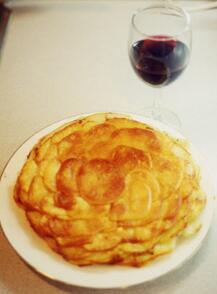
- Pommes Anna — sometimes attributed to him, though authorship is not universally agreed.
- Deliberate, refined sauces and exacting mise en place characteristic of haute cuisine.
Dugléré’s approach emphasized balance of flavour, clarity of technique and the theatrical service expected in grand Parisian dining rooms of the era.
Notable events and legacy
He is often remembered for high‑profile banquets held at the Café Anglais, including the famed 1867 banquet commonly called the “Dinner of the Three Emperors,” which demonstrated his ability to serve elaborate multi‑course meals to prominent guests. Today his name survives in culinary terminology and recipes, and he is cited in histories of French cooking as an important link between the grande cuisine of Carême and later developments in restaurant culture.
For further general background on his birthplace see Bordeaux, and for broader context on historic French chefs consult resources labelled chef histories and biographies.
Related articles
Author
AlegsaOnline.com Adolphe Dugléré Leandro Alegsa
URL: https://en.alegsaonline.com/art/113339
Sources
- britannica.com : Encyclopedia Britannica online
- xxi.ac-reims.fr : Lycée Bazeilles des Métiers de l'Hôtellerie, de la Restauration et du Tourisme
- leguidedesconnaisseurs.be : Le Guide des connaisseurs be