
Abdurrahman Wahid (Gus Dur) — Indonesian religious leader and president
Abdurrahman 'Gus Dur' Wahid (1940–2009) was an influential Indonesian Muslim cleric and politician who led Nahdlatul Ulama, served as president of Indonesia (1999–2001), and advocated pluralism and human rights.
Abdurrahman Wahid, commonly known by the honorific Gus Dur, was an Indonesian Muslim cleric and statesman who played a major role in the country's transition after the end of the Suharto era. He served as president of Indonesia from October 1999 until July 2001. Widely regarded for his commitment to religious pluralism and democratic reform, Wahid combined a background in traditional Islamic scholarship with outspoken, sometimes unconventional, political leadership.
Image gallery
9 Images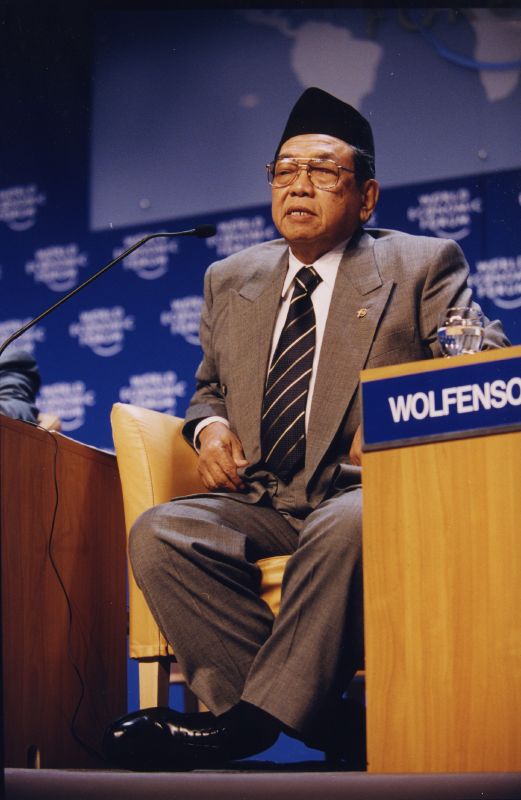


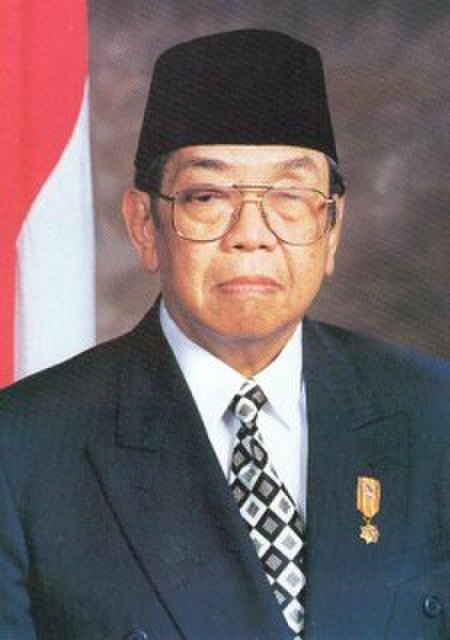


Early life and religious leadership
Born in 1940 into a family active in traditional Islamic education, Wahid rose to prominence within Nahdlatul Ulama (NU), one of the largest Muslim organizations in the country. Over several decades he became a respected religious leader and intellectual voice within NU, advocating a tolerant and syncretic interpretation of Islam that emphasized interfaith coexistence and local religious traditions.
Political career and presidency
In the late 1990s, as Indonesia moved away from authoritarian rule, Wahid entered national politics and became a leading figure in the reform period. Backed by a parliamentary coalition, he was elected president by the national assembly in 1999. His presidency pursued several reformist goals, notably:
- advancing religious and cultural pluralism and minority rights;
- promoting civil liberties and press freedom;
- attempting to reduce the political autonomy of the military and reform state institutions;
- encouraging decentralization and reconciliation in regions affected by conflict.
Controversies and removal from office
Wahid's time in office was marked by political turbulence and clashes with established interests. His unconventional style and some decisions provoked criticism from political opponents and parts of the bureaucracy. In 2001 he was removed from the presidency by the national assembly amid allegations that included administrative misconduct and financial impropriety; commentators remain divided on the relative weight of political rivalry and proven wrongdoing in his dismissal. Readers can find contemporary accounts and official statements at corruption-related sources.
Later life, death, and legacy
After leaving office Wahid remained an influential public figure and continued to speak on religion, politics and human rights. He suffered from chronic health problems and eyesight deterioration in later years. Wahid died on December 30, 2009, and was buried in Jombang, East Java, where many supporters and observers paid tribute to his contributions to national life. His legacy is often framed around his defense of pluralism, his role in post-authoritarian reform, and his distinctive blend of religious scholarship and democratic commitment.
Notable facts and distinctions
- Commonly known as Gus Dur, a respectful Javanese nickname meaning "Brother Dur".
- Longtime leader within Nahdlatul Ulama, one of Indonesia's most influential Islamic organizations.
- Remembered for promoting tolerance between religious groups and supporting civil liberties.
Related articles
Author
AlegsaOnline.com Abdurrahman Wahid (Gus Dur) — Indonesian religious leader and president Leandro Alegsa
URL: https://en.alegsaonline.com/art/113223
Sources
- news.bbc.co.uk : "Ex-Indonesia leader Abdurrahman Wahid mourned"
- news.bbc.co.uk : "Obituary: Abdurrahman Wahid"