
Aamir Khan
Aamir Khan (born 14 March 1965) is an Indian film actor, director and producer known for selective, influential work in Hindi cinema, including landmark films, social projects and international recognition.
Aamir Khan (born 14 March 1965) is an Indian film performer and filmmaker who has been a prominent figure in Hindi-language cinema since the 1970s. He was born in Mumbai and began his career as a child actor before gaining widespread attention as a leading man. Often associated with mainstream Bollywood while also pursuing unconventional projects, Khan is known for choosing a small number of carefully prepared roles rather than a high volume of releases.
Khan first appeared on screen as a child and achieved a breakthrough as an adult in the late 1980s. His performances are frequently described as meticulous and committed; he has gained a reputation for deep preparation and for transforming himself to suit diverse characters. In addition to acting, he has taken on roles behind the camera as a producer and director, guiding projects that range from commercial entertainers to socially conscious films. He is widely regarded within the industry as a versatile actor with broad audience appeal.
Image gallery
8 Images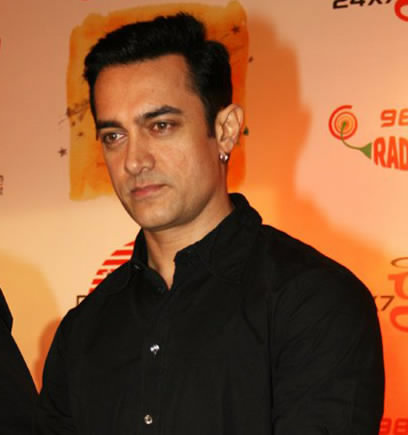






Notable films and milestones
- Early work: He made an early screen appearance as a child and later rose to prominence with his lead role in Qayamat Se Qayamat Tak (1988), a film often cited as his breakout.
- International recognition: Khan produced and starred in Lagaan (2001), a period sports drama that became one of the Indian films nominated for an Academy Award (Oscar) for Best Foreign Language Film; he was credited as a producer on that project (producer).
- Range of work: His later filmography includes critically and commercially significant titles that combine popular appeal with social themes, such as Rang De Basanti, Taare Zameen Par (which he directed), 3 Idiots and Dangal, the latter becoming one of the highest-grossing Indian films worldwide.
Across these projects Khan has alternated between mainstream entertainers and films that address education, social reform, or historical subjects. His directorial debut attracted attention for its sensitive treatment of childhood and learning, while other films have sparked public conversations about national identity, gender and opportunity.
He has received many of India's major cinematic honors and is often mentioned in discussions of contemporary filmmakers whose work reaches both domestic and international audiences. Beyond awards, his influence is measured in how his films reshape public debate, attract global viewers and open new markets for Indian cinema.
Personal life and public presence: Khan has been married and is a private figure off-screen. He met his second wife, who worked as an assistant director on a set where he was involved; earlier he had been married to his first wife during the 1980s and 1990s. In addition to film work he has engaged with television and public campaigns that address social issues, using his visibility to promote causes and create forums for discussion.
Legacy and distinctions: Often called a perfectionist for his selective approach to roles, Khan is credited with helping to modernize the business model for some Indian films by combining strong narratives, production values and targeted promotion. His career demonstrates a blend of commercial success and artistic risk-taking that has made him a central figure in contemporary Hindi cinema.
More on his background • Bollywood connections • Acting profile • Key early film • International honors • Production credits
Questions and answers
Q: Who is Aamir Khan?
A: Aamir Khan is a Bollywood actor born in Mumbai on March 14, 1965.
Q: When did Aamir Khan first appear in a movie?
A: Aamir Khan first appeared in a movie as a child actor in Yaadon Ki Baaraat in 1973.
Q: What was Aamir Khan's first big starring role?
A: Aamir Khan's first big starring role was in Qayamat Se Qayamat Tak in 1988.
Q: What is Lagaan and what was Aamir Khan's role in it?
A: Lagaan is a movie that was nominated for an Oscar, and Aamir Khan starred in it. He was also credited as a producer for the movie, along with his first wife Reena Datta, who was an executive producer.
Q: Who is Kiran Rao and how did she meet Aamir Khan?
A: Kiran Rao is Aamir Khan's second wife, whom he met on the set of a movie where she was working as an assistant director.
Q: What was the first movie that Aamir Khan and Kiran Rao released together?
A: The first movie that Aamir Khan and Kiran Rao released together was Rang De Basanti in 2006.
Q: Was Aamir Khan still married to Reena Datta when Rang De Basanti was released?
A: No, Aamir Khan had divorced Reena Datta before Rang De Basanti was released.
Related articles
Author
AlegsaOnline.com Aamir Khan Leandro Alegsa
URL: https://en.alegsaonline.com/art/113155
Sources
- bollywoodhungama.com : "Dinesh Anand Movies, News, Songs & Images"