
Year 997 (Common Era)
Year 997 CE, a common year in the late 10th century, saw political transitions across Eurasia — notably Mahmud of Ghazni's accession and a change of emperors in the Chinese Song dynasty — amid medieval fragmentation.
Overview
The year 997 of the Common Era falls in the late 10th century, a period marked by regional consolidation, dynastic change, and ongoing cultural and military encounters across Europe, the Islamic world, and East Asia. In calendrical terms it was a common (non-leap) year of the Julian calendar and is written in Roman numerals as CMXCVII.
Image gallery
1 Image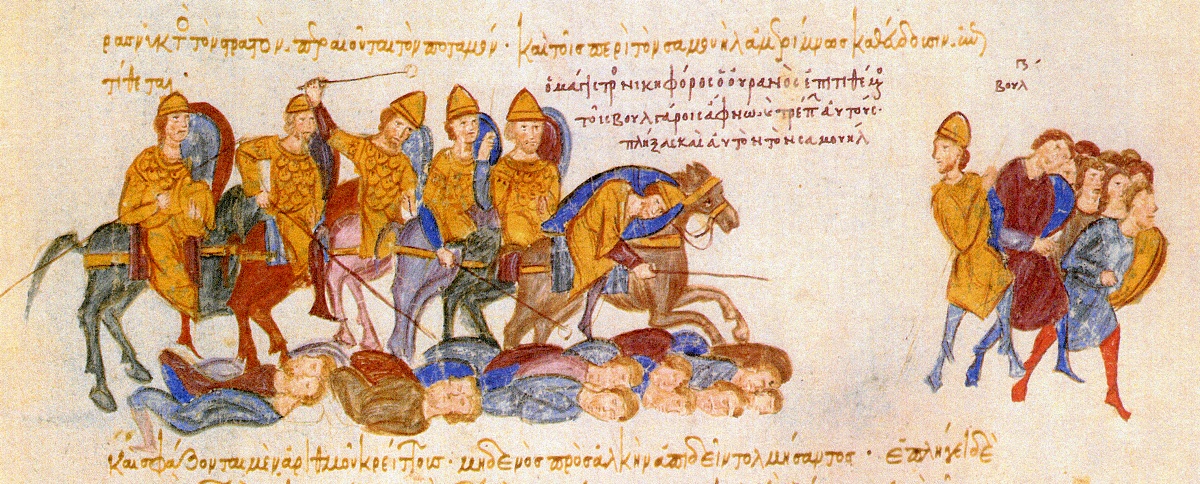
Political and dynastic developments
997 witnessed several important successions and leaderships that shaped the next decades. In Central Asia, Mahmud ibn Sebüktegin succeeded his father and became ruler of the Ghaznavid dynasty; his reign would later be associated with military expeditions into the Indian subcontinent and the consolidation of a Muslim state in the region. In East Asia the Song dynasty experienced a change of emperors when the reign of Emperor Taizong of Song ended and his successor assumed the throne, continuing the Northern Song polity. In Europe the Holy Roman Empire under Otto III and the Byzantine Empire under Basil II remained central powers within their spheres, while the papacy was held by Gregory V.
Notable events and contexts
- Rise of Mahmud of Ghazni: Mahmud's accession marked the beginning of a period in which the Ghaznavids expanded influence across eastern Iran and into northwestern India.
- Song dynasty succession: A change of emperors in the Northern Song affected court politics and administration in China.
- Medieval Europe and the British Isles: Regional rulers such as Æthelred II in England, princely families on the Continent, and the Viking presence in parts of the North Atlantic continued to shape local conflicts and alliances.
Characteristics and significance
The year sits within a broader era of fragmentation in Western Europe, consolidation in Byzantium, and intellectual and commercial vitality across the Islamic world and China. While 997 itself is not defined by a single, globe‑spanning event, the successions and rising leaders of this year signalled political trends that influenced trade, warfare, and cultural exchange into the 11th century.
Notable figures associated with 997
Individuals of prominence around this year include Mahmud of Ghazni in Central Asia; Basil II at Byzantium; Otto III and Pope Gregory V in Western Christendom; Æthelred II in England; and the Song emperors in China. Their overlapping activities reflect the patchwork of medieval polities and the gradual shifts that led toward the high medieval period.
Related articles
Author
AlegsaOnline.com Year 997 (Common Era) Leandro Alegsa
URL: https://en.alegsaonline.com/art/113143