
Edward Gibbon (1737–1794): author of The History of the Decline and Fall of the Roman Empire
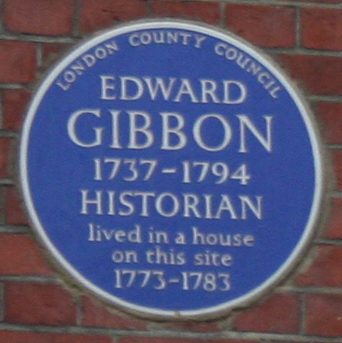
English historian Edward Gibbon, author of The History of the Decline and Fall of the Roman Empire (6 vols., 1776–1788). Noted for elegant prose, use of sources, skepticism about religion, and lasting influence on historiography.
Edward Gibbon (8 May 1737 – 16 January 1794) was an English historian and parliamentarian best known for his magisterial work The History of the Decline and Fall of the Roman Empire. Trained first at Westminster School, he combined classical learning with wide reading in primary texts and contemporary scholarship. His reputation rests on a literary style characterized by ironic detachment, periodic sentences, and sustained scholarly annotation.
Image gallery
9 Images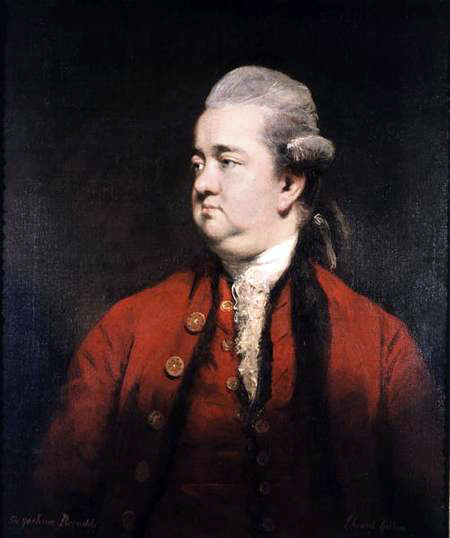


Major work and approach
Gibbon's principal achievement, published in six volumes between 1776 and 1788, established a model for narrative history that interleaves close reading of sources with interpretive judgment. The Decline and Fall drew on manuscripts, chronicles and earlier modern studies; its author deployed narrative, analysis and extensive note-taking to weigh evidence and present contested issues to readers. Critics and admirers alike remark on the work's polished prose and argumentative clarity; some found its tone sardonic and deliberately provocative. Irony is often noted as a stylistic device in his writing.
Method, themes and controversies
Gibbon emphasized institutional causes, administrative decay, economic pressures and barbarian pressures as factors in Rome's transformation. He also paid attention to belief systems and clergy, and his candid discussion of faith and ecclesiastical power provoked controversy in his lifetime. His critical stance toward organized Christianity invited sustained debate about objectivity, bias and the role of the historian. Scholars credit him with advancing rigorous source criticism even while debating his conclusions.
Life and later influence
Born in Putney, educated at Westminster, and later active in public life as a Member of Parliament, Gibbon undertook research and revision over many years. He experienced a youthful religious conversion on the continent and subsequently returned to a stance of intellectual skepticism. His prose and method influenced 19th- and 20th-century historiography and remain subjects of study in literary and historical departments. He died in London of peritonitis on 16 January 1794.
Notable facts and legacy
- Historian celebrated for narrative scale and source use.
- Published Decline and Fall in six volumes (1776–1788).
- Served briefly as a Member of Parliament, combining scholarship with public life.
- Work remains a touchstone for discussions of style, secular interpretation and the historian's responsibilities.
Questions and answers
Q: Who was Edward Gibbon?
A: Edward Gibbon was an English historian and Member of Parliament.
Q: What is Edward Gibbon's most important work?
A: Edward Gibbon's most important work is The History of the Decline and Fall of the Roman Empire.
Q: When was The History of the Decline and Fall of the Roman Empire published?
A: The History of the Decline and Fall of the Roman Empire was published in six volumes between 1776 and 1788.
Q: What is The Decline and Fall known for?
A: The Decline and Fall is known for the quality and irony of its prose, its use of primary sources, and its open criticism of Christianity.
Q: Where was Edward Gibbon educated?
A: Edward Gibbon was educated at Westminster School.
Q: When did Edward Gibbon die?
A: Edward Gibbon died on January 16, 1794.
Q: What was the cause of Edward Gibbon's death?
A: Edward Gibbon died of peritonitis in London.
Related articles
Author
AlegsaOnline.com Edward Gibbon (1737–1794): author of The History of the Decline and Fall of the Roman Empire Leandro Alegsa
URL: https://en.alegsaonline.com/art/118145
Sources
- books.google.com : A vindication of some passages in the fifteenth and sixteenth chapters of The history of the decline and fall of the Roman Empire: By the author.
- ccel.org : online