
Caligula (Gaius Julius Caesar Augustus Germanicus)
Roman emperor from AD 37 to 41, known for a brief, controversial reign marked by early popularity, extravagant projects, alleged cruelty and a violent assassination; later sources are often sensational.
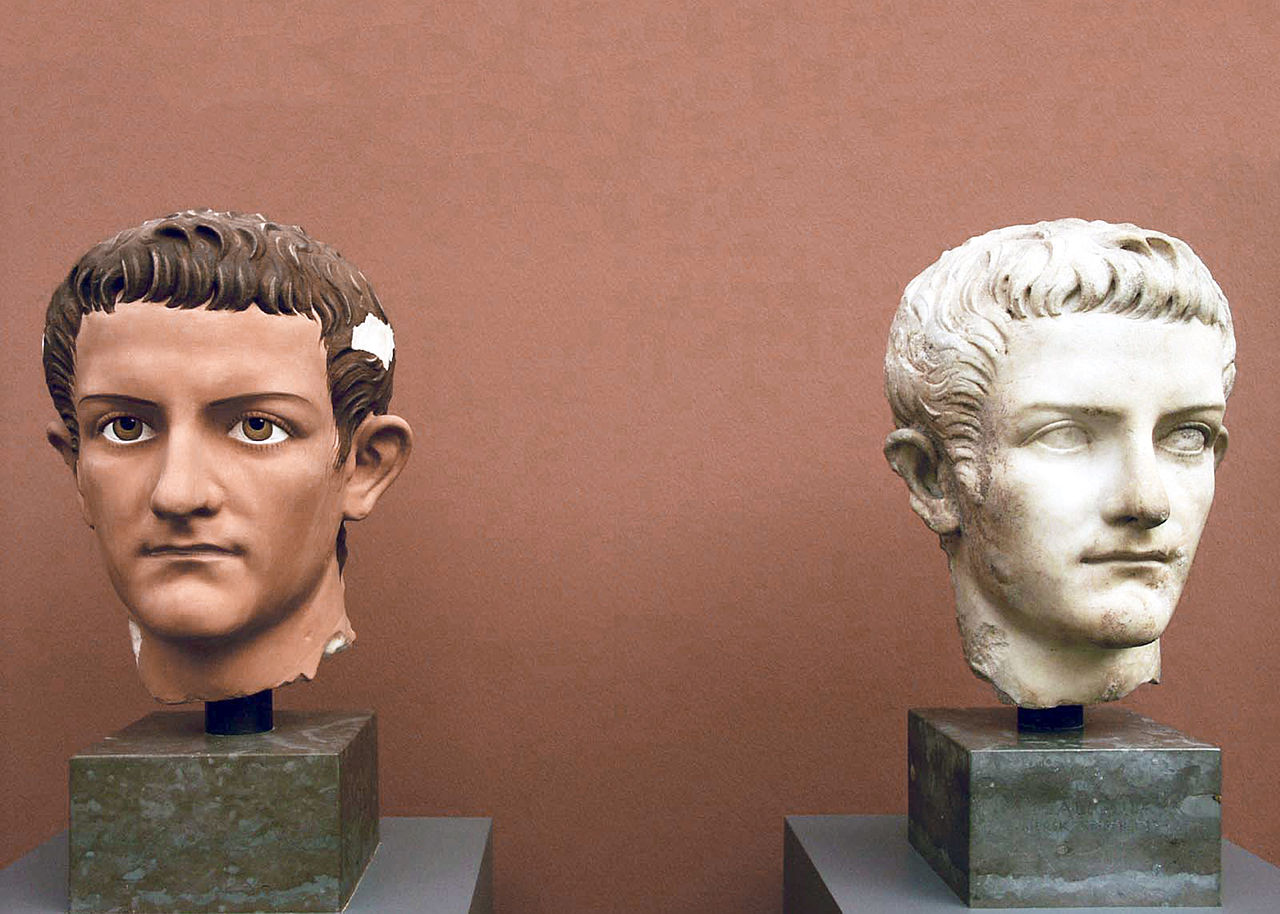
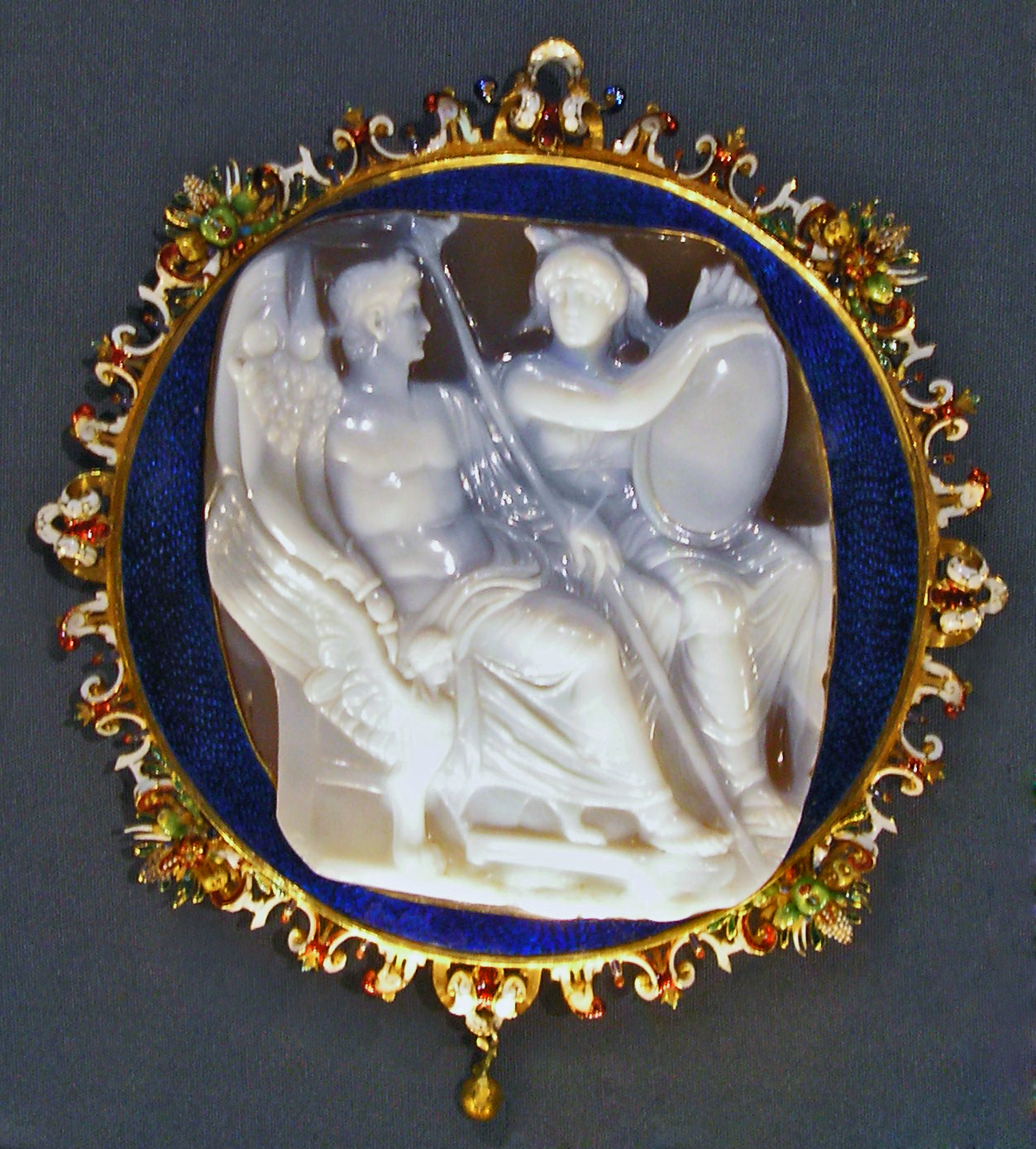
Gaius Julius Caesar Augustus Germanicus (31 August 12 – 24 January 41), commonly called Caligula, served as the third Roman emperor. He succeeded Tiberius in AD 37 and ruled until his death in AD 41. His nickname, Caligula (“little boot”), was given in childhood by soldiers who accompanied his father. While his rule began with wide public acclaim, it ended in conspiracy and murder; the early popularity and later excesses are both important parts of his historical image. See the role of the emperor for context.
Born into the Julio-Claudian family, Caligula was the son of the general Germanicus and Agrippina the Elder. As a young man he spent years among the legions on campaign, which shaped his early reputation and gave rise to his nickname. He became emperor following the death of Tiberius; ancient reports describe a warm welcome in Rome at first, as many hoped for a return of more generous and open leadership. Contemporary narratives describe the transfer of power after Tiberius's death as a pivotal moment for the principate.
Image gallery
10 Images




Reign and administration
Caligula's first months are often portrayed as moderate and popular: he granted bonuses to the army, released prisoners, and staged public entertainments. Over time, however, sources record a sequence of behaviors — extravagant spending, ambitious construction projects, and severe punishments — that alarmed senators and elites. He invested in public works and games, but chronic deficits and lavish personal expenditures strained the treasury. The Praetorian Guard remained a powerful force in Rome and figures prominently in accounts of his later rule and protection; see the Praetorian Guard for their role in imperial security.
Notable incidents
- Reports of arbitrary executions and forced suicides among the senatorial class appear repeatedly in surviving narratives.
- Anecdotes such as the elevation of his horse Incitatus to symbolic honors are widely cited, though historians debate whether these stories were literal acts, satire, or later exaggeration; further reading: Incitatus and anecdotes.
- Plans for military display, naval exercises, and building campaigns were initiated but are sometimes described as theatrical or wasteful in the sources.
Caligula's life ended in a palace conspiracy: on 24 January AD 41 he was killed by members of his household guard and by conspirators linked to the Senate and court. The assassination involved officers of the emperor's bodyguard and jealousy or fear among elites; accounts emphasize that violent removal of emperors was increasingly a feature of the period. His death led to the elevation of his uncle Claudius as successor and a sudden change in imperial direction. See contemporary summaries of the assassination and succession at assassination accounts and Imperial succession.
Modern historians treat the traditional narrative with caution. Surviving ancient sources — notably Suetonius, Cassius Dio and fragments of Tacitus — were written decades later and sometimes mix confirmation with rumor. Scholars point out that insults, political hostility toward imperial excess, and rhetorical stylization shaped many of the most sensational claims. Caligula's reign remains significant as an example of the tensions in early imperial Rome: the power of the emperor, the influence of the army, the vulnerability of elites, and the difficulties of reconstructing events when sources are partisan. His life continues to inspire debates, scholarly studies and popular portrayals of autocratic rule.
Questions and answers
Q: Who was Caligula?
A: Caligula was the third Roman Emperor who reigned from AD 37 until he was assassinated by members of his bodyguard and the Roman Senate after only four years.
Q: When was Caligula born?
A: Caligula was born on August 31, 12 AD.
Q: How long did Caligula rule as the Roman Emperor?
A: Caligula ruled as the Roman Emperor for four years, from AD 37 to AD 41.
Q: Why was Caligula assassinated?
A: Caligula was assassinated by members of his bodyguard and the Roman Senate.
Q: Were fair trials conducted during Caligula's reign?
A: No, many innocent people were killed without fair trials during Caligula's reign.
Q: Was Caligula popular with the Roman public during his reign?
A: Despite the fact that many innocent people were killed without fair trials during his reign, Caligula was still popular with the Roman public in his time.
Q: What is Caligula's full name?
A: Caligula's full name was Gaius Julius Caesar Augustus Germanicus.
Related articles
Author
AlegsaOnline.com Caligula (Gaius Julius Caesar Augustus Germanicus) Leandro Alegsa
URL: https://en.alegsaonline.com/art/115838