
2NE1 — South Korean K-pop girl group (2009–2016)
2NE1 was a South Korean K‑pop girl group formed by YG Entertainment in 2009. Known for bold fashion, genre-blending music and nine number-one singles, they disbanded in 2016 as members pursued solo careers.
2NE1 (Korean: 투애니원) was a pioneering girl group in the modern K‑pop era. Formed by YG Entertainment in 2009 in South Korea, the quartet combined elements of hip-hop, electronic dance, R&B and pop. Over the course of their career they scored nine number‑one singles on Korean charts and became widely known for a confident, fierce public image as well as daring fashion choices. Their activity and music helped shape trends in South Korean pop music during the 2010s.
Image gallery
10 Images


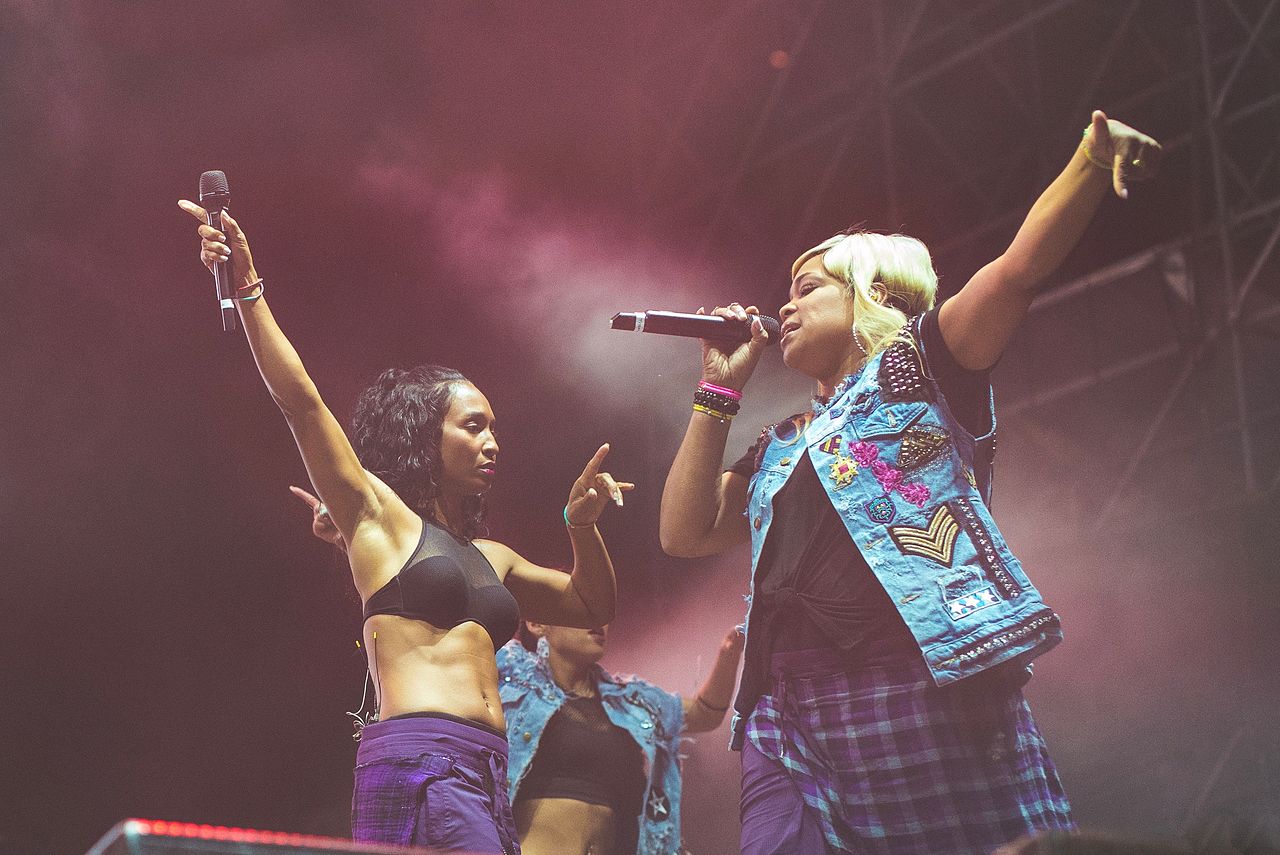


Members and musical identity
The group consisted of four members: CL, Bom, Dara and Minzy. Each member contributed distinct vocal or performance strengths—CL often led rap and songwriting, Bom brought powerful vocals, Dara contributed personality and visual presence, and Minzy was noted for dance and performance skills. Musically, 2NE1 mixed aggressive beats with melodic hooks, producing songs that ranged from club‑oriented anthems to midtempo ballads.
Career highlights and notable songs
2NE1 debuted to immediate attention and maintained commercial success through several major releases. Among their best‑known tracks are:
- "Try to Follow Me"
- "Go Away"
- "Lonely"
- "I Am the Best"
- "Ugly"
- "I Love You"
- "Falling in Love"
- "Missing You"
- "Come Back Home"
These singles, backed by striking visuals and performance, contributed to the group's reputation for innovation and commercial appeal.
Impact, recognition and activities after the group
2NE1 influenced both musical and fashion directions within K‑pop, inspiring later artists with their unapologetic aesthetic and genre crossovers. They received numerous industry awards and widespread media attention, and their work attracted listeners beyond Korean borders. After the group's cessation of group activities, members pursued individual careers in music, television and fashion, expanding their personal profiles as solo artists and entertainers.
Although 2NE1 officially ceased activities in 2016, their legacy persists in discussions of 2010s K‑pop and in the work of artists who cite them as an influence. For further context on K‑pop as a broader cultural phenomenon, see resources about K‑pop and the South Korean music industry. Additional background on the group's formation and members can be found through contemporary profiles and retrospectives that examine their role in popular music and youth culture.
Related articles
Author
AlegsaOnline.com 2NE1 — South Korean K-pop girl group (2009–2016) Leandro Alegsa
URL: https://en.alegsaonline.com/art/112781
Sources
- 2NE1
- billboard.com : "2NE1 Officially Disbands, YG Entertainment Renews Contracts With CL and Dara"
- billboard.com : "10 Best K-Pop Girl Groups of the Past Decade: Critic's Picks"
- cnn.com : "K-pop's growing pains: Why Asia's biggest bands are splitting up"
- insidermonkey.com : "16 Best Selling Girl Groups of All Time"
- kpopselca.com : korean-artists official social page
- wikidata.orgQ171885.html : wikidata.orgq171885.html
- isni.org : 0000 0004 5928 145X
- musicbrainz.org : e119e5ff-0de0-421c-a630-0516c6acede8
- viaf.org : 140149616651403750108
- worldcat.org : viaf-140149616651403750108