
2112 (Rush album)
2112 is Rush's fourth studio album (1976), noted for its 20-minute title suite. It marked a shift toward progressive rock, revived the band's fortunes, and introduced the iconic 'Starman' imagery.
2112 is the fourth studio album by the Canadian rock group Rush, released in 1976. It is best known for the extended title suite "2112", a multi-part composition occupying the album's first side and lasting roughly twenty minutes. The record represents a decisive move toward progressive rock and more ambitious song structures, pairing narrative lyrics with instrumental virtuosity.
Image gallery
2 Images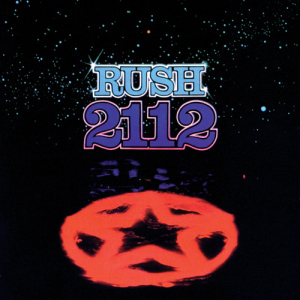

Composition and structure
The centerpiece is the seven-part suite "2112", which presents a short, coherent story told through distinct musical sections and recurring themes. The suite is commonly divided into these movements:
- Overture
- The Temples of Syrinx
- Discovery
- Presentation
- Oracle: The Dream
- Soliloquy
- Grand Finale
The second side contains shorter tracks that showcase different facets of the band's sound, including folk-tinged passages, hard-rocking numbers and melodic instrumentals. Typical B-side songs include "A Passage to Bangkok", "The Twilight Zone", "Lessons", "Tears" and "Something for Nothing".
Themes and influences
"2112" tells a story set in a future, authoritarian society and explores tensions between individual creativity and imposed conformity. The narrative draws on well-known literary themes of individualism and dystopia, and the album's lyrics, written primarily by drummer and lyricist Neil Peart, emphasize character, conflict and resolution rather than abstract imagery. Musically, the work mixes heavy guitar riffs, synthesizer textures and shifting time signatures, hallmarks of progressive rock that the band embraced more fully on this record. The suite's dystopian setting is often described simply as dystopian in summaries of the concept.
Background, release and reception
Coming after the commercial disappointment of the previous record, 2112 helped restore Rush's momentum and established the creative direction that would define much of their career. Critics and fans recognized the album for its ambition and cohesion, and it became a turning point that gained the group a larger, more devoted audience. Production was handled with a focus on clarity to allow the complex arrangements and lyrical story to come through.
Legacy and notable facts
The album introduced imagery and musical ideas that became central to the band's identity. The title composition became a concert highlight and a defining example of their progressive-era writing. 2112 remains a frequent reference point when discussing Rush's shift toward extended compositions and thematic albums. For more detail on the band, recordings and influence, see entries about the progressive rock genre, the band Rush and critical discussions of concept albums at resources linked elsewhere.
Related articles
Author
AlegsaOnline.com 2112 (Rush album) Leandro Alegsa
URL: https://en.alegsaonline.com/art/112709