
Assassination of Qasem Soleimani
The 3 January 2020 U.S. airstrike near Baghdad International Airport killed IRGC Quds Force commander Qasem Soleimani and others, provoking regional escalation, legal debate, and international reactions.
Overview: On 3 January 2020 a United States military airstrike targeted a convoy near Baghdad International Airport and killed Qasem Soleimani, the commander of Iran's Quds Force, along with several others. The strike, carried out by U.S. forces, marked a major escalation in tensions between the United States and Iran and had immediate political, legal and military consequences across the region. The action and its aftermath prompted debate over its legality, the risk of wider conflict, and the appropriate response by national governments.
Image gallery
10 Images




Who was Qasem Soleimani
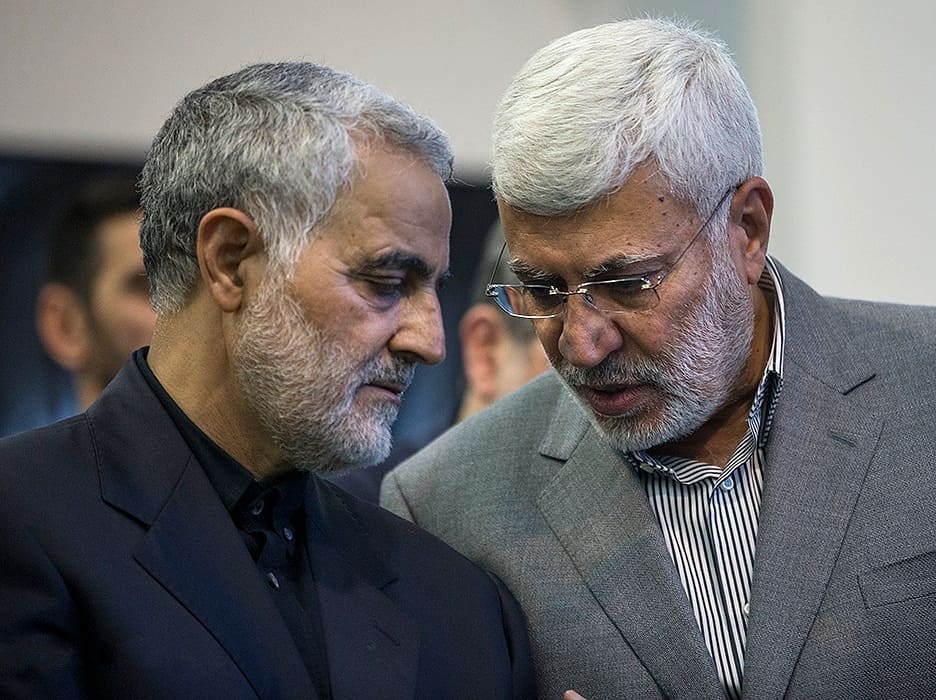
Qasem Soleimani had been the commander of the Islamic Revolutionary Guard Corps' extraterritorial operations arm, the Quds Force, and was widely regarded as a central architect of Iran's regional strategy. He cultivated alliances with non-state militias and state partners across Iraq, Syria, Lebanon and elsewhere. For many years he played a significant role in shaping military operations, intelligence cooperation and proxy networks in the Middle East.
The strike and immediate details
U.S. officials said the strike targeted a convoy leaving Baghdad airport. Several missiles struck the vehicles, killing Soleimani and senior Iraqi militia leader Abu Mahdi al-Muhandis, among others. Reports identified multiple casualties, including both Iranian and Iraqi figures. The U.S. government characterized the action as intended to deter imminent attacks on American personnel and interests; critics questioned whether sufficient evidence of an imminent threat was publicly presented.
Aftermath and regional reaction
The assassination had rapid regional effects. The Iraqi parliament voted to call for the removal of foreign troops from Iraqi soil, and Iran vowed to retaliate. Within days Iran launched missile strikes on bases housing U.S. forces in Iraq, and both governments communicated warnings about further escalation. International actors expressed concern and called for de-escalation.
Legal and political debate
Scholars and policymakers debated the strike's conformity with international law, especially the notion of self-defense and the requirement of imminence, and its alignment with domestic legal authorities for the use of force. The action provoked questions about congressional authorization, executive war powers, and precedent for targeted killings of senior foreign officials.
Significance and legacy
The killing of Soleimani affected U.S.-Iran relations, Iraqi politics, and the operational posture of militias and regional forces. It underscored how rapidly targeted violence can alter strategic calculations and prompted renewed scrutiny of Iran's regional networks. Analysts continue to assess its long-term impact on diplomacy, deterrence, and the risk of asymmetric retaliation.
- Strike reported by United States forces near Baghdad International Airport.
- Convoy referenced in contemporaneous reports: vehicle convoy.
- Soleimani identified as an Iranian commander: Iranian Major General heading the IRGC Quds Force and named in media accounts as Qasem Soleimani.
- Also killed was an Iraqi militia leader: Iraqi commander Abu Mahdi al‑Muhandis.
Further reading and source material are available through primary reports and analyses from multiple governments and independent institutions; links above indicate categories of contemporary reporting and official statements.
Related articles
Author
AlegsaOnline.com Assassination of Qasem Soleimani Leandro Alegsa
URL: https://en.alegsaonline.com/art/112665
Sources
- voanews.com : "Iran's General Soleimani Killed in Airstrike at Baghdad Airport"
- bbc.com : "Top Iranian general killed by US in Iraq"