
Abu Mahdi al‑Muhandis
Iraqi‑Iranian militia leader (1954–2020), commander of Kata'ib Hezbollah and senior figure in Iraq's Popular Mobilization Forces; convicted in absentia over 1983 Kuwait bombings and killed in a 2020 US strike.
Jamal Jafaar Mohammed Ali Ebrahimi (born 1954), widely known by his nom de guerre Abu Mahdi al‑Muhandis, was a prominent Iraqi‑Iranian militia commander and political figure. He played a central role in organizing and directing predominantly Shiite paramilitary groups inside Iraq, most notably as a leader of Kata'ib Hezbollah and as a senior official within the Popular Mobilization Forces (PMF or al‑Hashd al‑Sha'abi). His Arabic name and kunya are sometimes rendered in Arabic script: جمال جعفر محمد علي إبراهيمي and أبو مهدي المهندس.
Image gallery
4 Images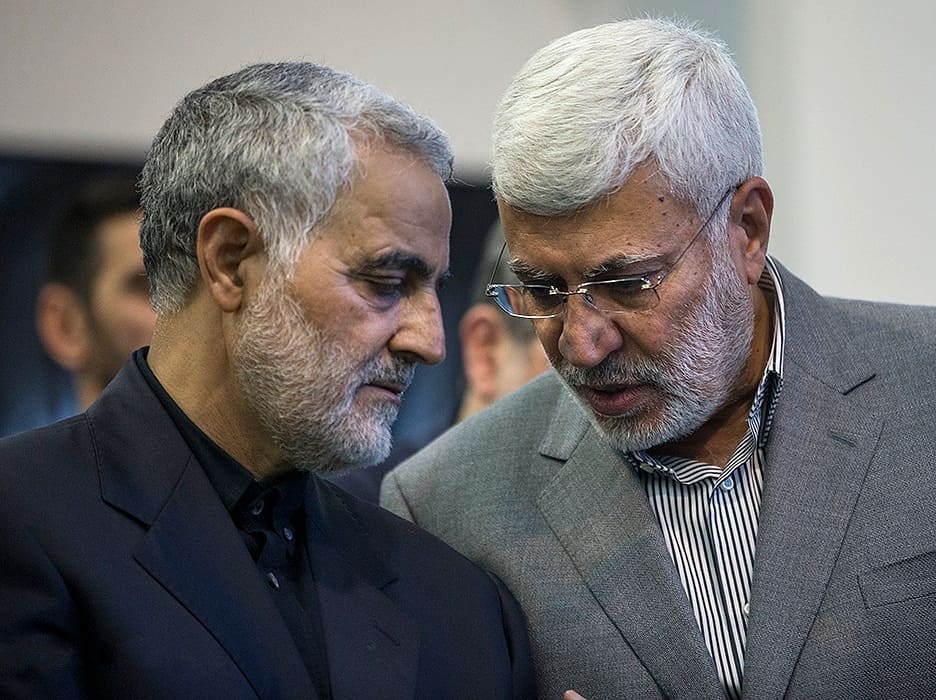


Background and early years
Details about his early life are often given in broad terms: he emerged during the years of upheaval in Iraq and the region, spending time in exile and aligning with Iranian authorities during periods of conflict with Saddam Hussein’s regime. Over decades he developed networks among Iraqi Shiite militants and reportedly maintained close ties with Iran’s Islamic Revolutionary Guard Corps and its external operations arm. These connections shaped his later role in Iraqi politics and security after the 2003 fall of Saddam Hussein.
Roles and organization
Al‑Muhandis is best known for leading Kata'ib Hezbollah, an armed group that took part in the insurgency following the 2003 invasion and later fought against the Islamic State (ISIS). Following the ISIS offensive in 2014, Iraq sanctioned the creation of the Popular Mobilization Forces, a state‑recognized umbrella that incorporated many militias. Al‑Muhandis became one of the PMF’s most influential commanders, a position that gave him operational control over fighters, weapons flows and local security arrangements in parts of Iraq.
Legal issues and international designation
His record includes accusations and convictions relating to attacks beyond Iraq’s borders. He was convicted in absentia by a Kuwaiti court for involvement in a series of bombings in Kuwait in 1983, and that case has been repeatedly cited by critics of his activities. The United States designated him as a terrorist figure, and several other governments imposed sanctions or travel restrictions on him because of his alleged participation in violence and his ties with foreign sponsors. References to these allegations are commonly noted in reporting on his career, including the Kuwait convictions Kuwait bombings.
Death and aftermath
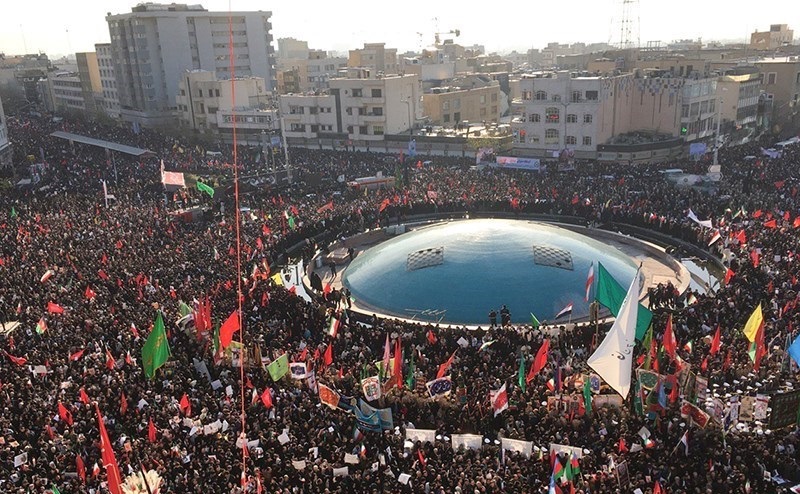
On 3 January 2020, Abu Mahdi al‑Muhandis was killed in a US airstrike at Baghdad International Airport Baghdad International Airport. The strike also killed Iranian Major General Qasem Soleimani. His death produced immediate political and military repercussions across Iraq and the region, prompting protests, official investigations, and renewed debate inside Iraq over the role and legal status of the PMF and foreign military action on Iraqi soil.
Legacy and significance
- He is viewed by supporters as a key organizer in the fight against ISIS and as a defender of Shiite communities in Iraq.
- Critics and several governments regard him as an armed actor whose operations undermined Iraqi sovereignty and contributed to regional instability.
- His career illustrates the blurred lines in post‑2003 Iraq between irregular militias, state institutions, and foreign influence.
Discussion of Abu Mahdi al‑Muhandis continues in analyses of Iraq’s security architecture, Iranian regional policy, and legal debates about militia integration into state structures. For further context, readers may consult detailed reports and primary sources on the groups and events associated with his career.
Related articles
Author
AlegsaOnline.com Abu Mahdi al‑Muhandis Leandro Alegsa
URL: https://en.alegsaonline.com/art/113265
Sources
- newsweek.com : "Iraqi Army still ineffective despite U.S. training"
- nytimes.com : "Iraqi lawmaker was convicted in 1983 bombings in Kuwait that killed 5"
- understandingwar.org : "Iraq Situation Report: May 23–25, 2015"
- nytimes.com : "Iraqi TV Reports Strike Kills Powerful Iranian Revolutionary Guard Commander"