
2017 Catalan independence referendum
A contested referendum held in Catalonia on 1 October 2017 that prompted a constitutional crisis in Spain after the Spanish Constitutional Court suspended the vote and Spanish authorities intervened.
The 2017 referendum on Catalan independence was held on 1 October 2017 in the autonomous community of Catalonia. The regional government presented it as a vote on independence and used the Catalan-language title Referèndum sobre la independència de Catalunya de 2017. Spanish national authorities and the Constitutional Court declared the planned referendum unlawful under the Spanish constitution, but the Catalan administration proceeded with the vote. The ballot, campaign and disputed outcome made the referendum a focal point of a broader constitutional crisis.
Image gallery
10 Images


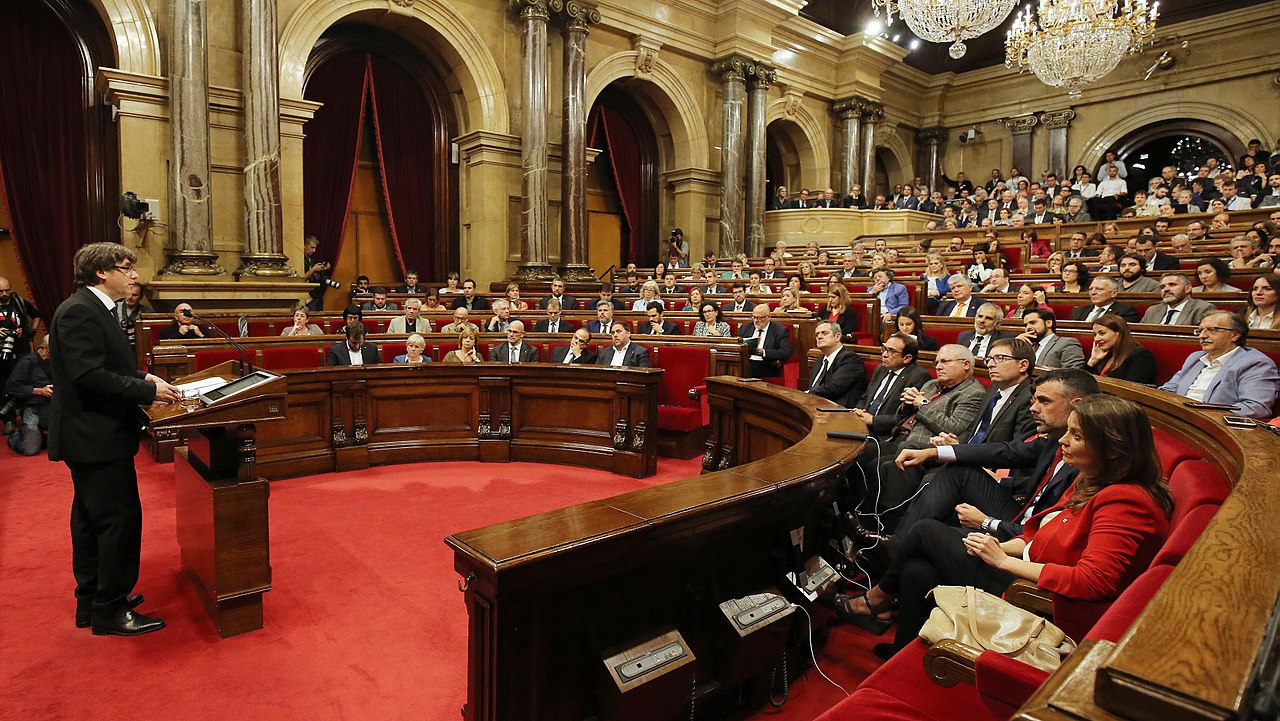


Legal status and political positions
Spanish courts, including the Constitutional Court, suspended the referendum in early September 2017 and ruled it incompatible with Spain's constitutional order. The Government of Spain maintained that any unilateral secession would be illegal and sought to block the poll. The Catalan government argued for a right to self-determination and asserted its democratic mandate to organise the vote. Many political parties that opposed independence chose to boycott the referendum process.
How the referendum took place
The vote was organised despite the court order. Catalan authorities said a large majority of municipal councils supported holding the referendum, citing the cooperation of hundreds of municipalities. On voting day, Spanish national police and other state security forces moved to close polling stations and seize ballot materials; media and international commentators recorded clashes between voters and police at some locations. Organisers reported that a majority of those who cast ballots voted in favour of independence, while turnout figures and the legitimacy of the count were widely disputed.
Aftermath and consequences
- Political escalation: the vote deepened tensions between Catalan and Spanish institutions and led to further confrontations in regional institutions and courts.
- Unilateral moves: in the weeks after the referendum the Catalan parliament took steps towards a unilateral declaration of independence, which Madrid rejected as unconstitutional.
- Central government response: the Spanish government invoked constitutional mechanisms to reassert direct control over Catalonia's autonomous administration and called a regional election to restore normal governance.
International reaction and significance
Most foreign governments and major international organisations did not recognise the referendum as a valid basis for secession and urged dialogue within Spain's constitutional framework. The episode highlighted tensions common to territorial self-determination disputes: legal limits of regional autonomy, the role of domestic courts, the use of police power in political conflicts, and the challenge of obtaining international recognition for unilateral secession attempts.
The 2017 referendum remains a defining moment for contemporary Spanish politics. It reshaped political alliances, influenced subsequent regional elections, and continues to inform public debate about autonomy, identity and the legal mechanisms available for resolving secessionist claims. For background on the referendum's framing and terminology see independence referendum, and for contemporary reporting and local perspectives consult regional and national sources referenced by authorities and commentators at the time (Catalan name) and elsewhere. Additional context on municipal participation and institutional responses can be found through official statements and analyses of the roles played by municipalities, the Government of Spain and the Catalan government.
Questions and answers
Q: When did the 2017 Catalan independence referendum take place?
A: The 2017 Catalan independence referendum took place on 1 October 2017.
Q: Which political parties did not participate in the referendum?
A: Political parties that do not want independence boycotted the referendum.
Q: Is the referendum legal according to the Spanish constitution?
A: No, the referendum is illegal according to the Spanish constitution.
Q: When was the referendum suspended by the Constitutional Court of Spain?
A: The referendum was suspended by the Constitutional Court of Spain on 7 September 2017.
Q: Did the Catalonia government follow the court order for suspending the referendum?
A: No, the Catalonia government said the court order was not valid and got support from 750 of 948 municipalities.
Q: What was the result of the Catalonia government's decision to continue with the referendum despite the court order?
A: The decision to continue with the referendum led to the 2017 Spanish constitutional crisis.
Q: Does the Government of Spain support Catalan independence?
A: No, the Government of Spain opposes Catalan independence.
Related articles
Author
AlegsaOnline.com 2017 Catalan independence referendum Leandro Alegsa
URL: https://en.alegsaonline.com/art/112591
Sources
- theguardian.com : "Catalonia calls independence referendum for October"
- bloomberg.com : "Catalan Separatists Plot Show of Force in Battle With Madrid"
- reuters.com : "Catalan independence vote divides region's mayors"
- 20minutos.es : "El independentismo inicia su campaña en Tarragona pese a las advertencias del Constitucional"
- catalannewsagency.com : "Spanish Government rejects Puigdemont's proposal to hold a binding referendum"