
Ferguson unrest (2014) — protests, policing and national debate
Widespread protests and civil unrest in Ferguson, Missouri, after the 2014 shooting of Michael Brown that sparked national discussion on policing, race, and criminal justice reform.
Overview
In early August 2014 the fatal shooting of an 18-year-old, Michael Brown, in Ferguson, Missouri touched off sustained public demonstrations and unrest. Demonstrations began the day after the shooting and continued for weeks, drawing local residents, activists and media attention from around the United States.
Image gallery
10 Images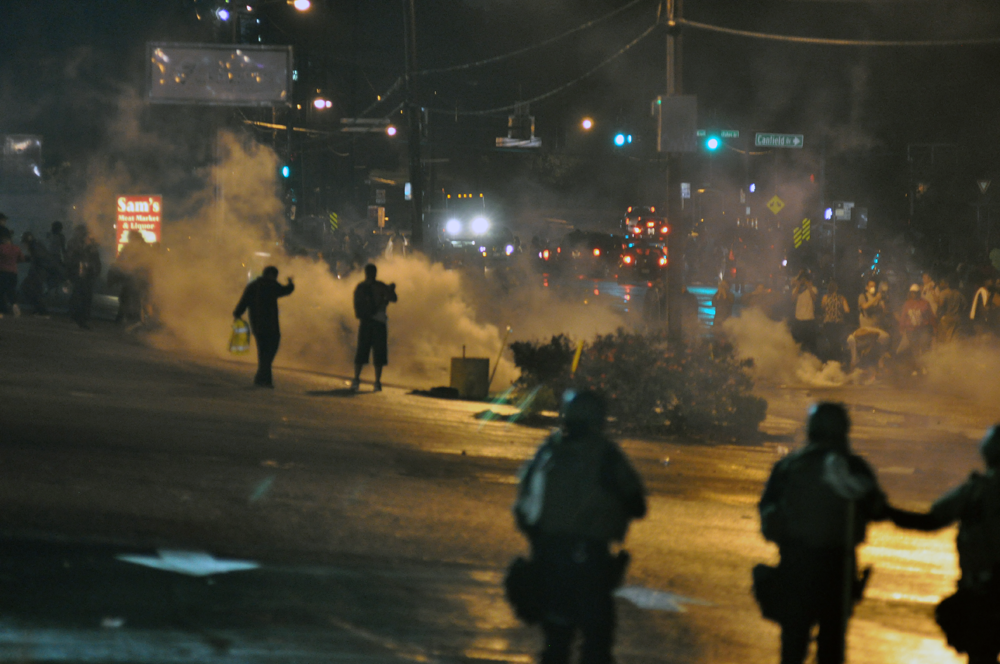

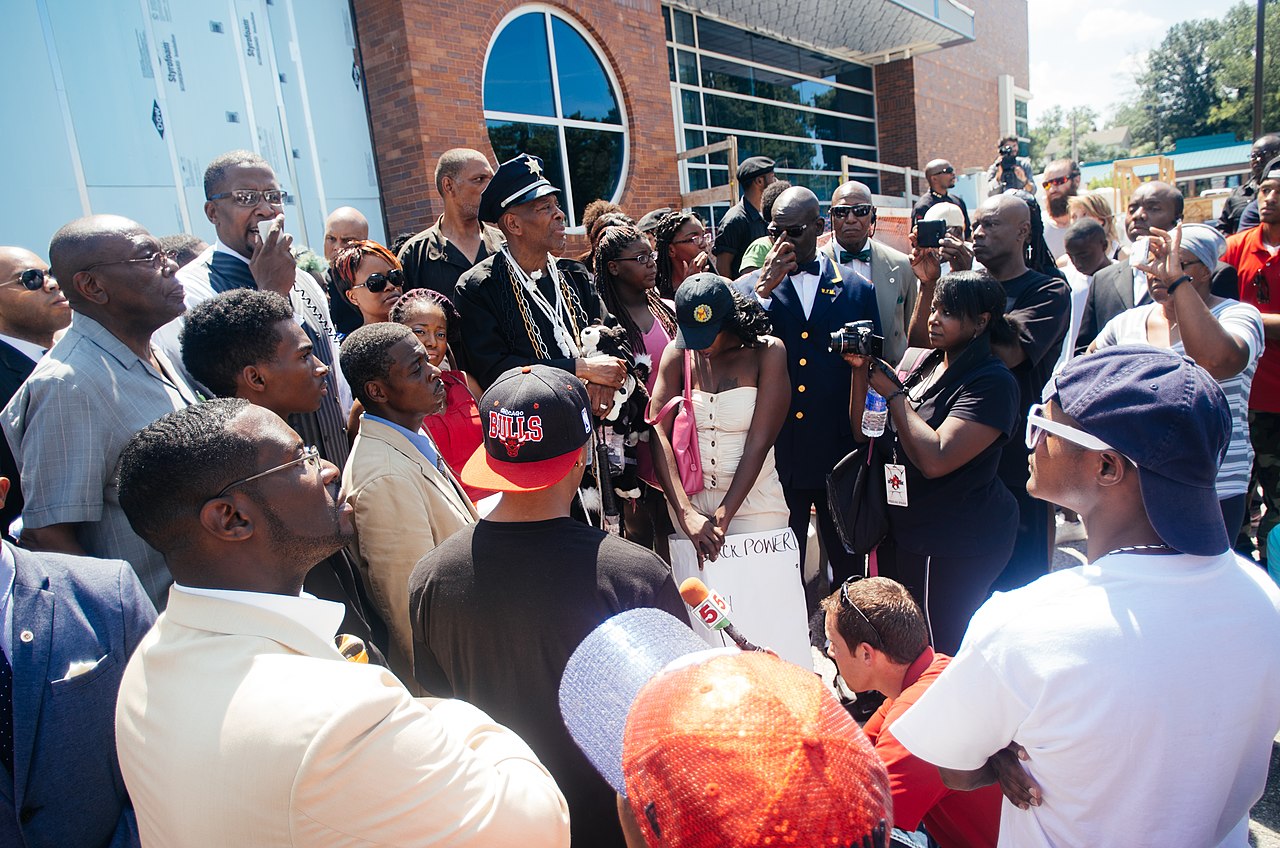


Events and characteristics
The unrest included a mix of largely peaceful marches and vigils alongside nights of confrontations between some demonstrators and law enforcement. Scenes that drew particular attention included the deployment of heavily equipped police units, use of crowd-control munitions, curfews and arrests. Some businesses were damaged during episodes of looting and clashes, while many community members held peaceful protests and meetings.
Timeline and investigations
A local grand jury later declined to indict the officer involved, a decision that intensified protests. In 2015 the U.S. Department of Justice opened investigations and issued a report finding troubling patterns in the way some local law enforcement and municipal practices were applied, and it made recommendations for reform. Federal attention and subsequent dialogues led to proposals for changes in training, oversight and sentencing or fine practices.
Significance and legacy
The events in Ferguson helped elevate national conversations about racial disparities, use of force by police, and accountability. The unrest contributed to wider organizing around police reform and influenced movements such as Black Lives Matter. It also prompted city-level reviews and, in some cases, consent agreements or policy revisions.
- Key topics: community-police relations, civil liberties, criminal justice reform.
- Protests combined symbolic demonstrations with legal and policy advocacy.
- Ferguson remains a reference point in debates over policing and race in America.
While some measures have been implemented and grants or technical assistance provided to reform efforts, many observers note that debates about policing practices and equitable justice continue. The Ferguson unrest is therefore remembered both for its immediate impact on the community and for its longer-term influence on national dialogue about law enforcement and civil rights.
Questions and answers
Q: What event started the unrest in Ferguson, Missouri?
A: The shooting of Michael Brown, an African-American 18-year-old, on August 9, 2014.
Q: When did the protests in Ferguson, Missouri happen?
A: The protests began on August 10, 2014, the day after the shooting of Michael Brown, and lasted for over two weeks.
Q: Who participated in the protests in Ferguson?
A: Many African-American residents of Ferguson, as well as activists and individuals from outside the city, participated in the protests.
Q: What were the protestors demanding in Ferguson?
A: The protestors were demanding justice for Michael Brown and his family, as well as an end to police brutality and systemic racism.
Q: Were the protests violent?
A: Some of the protests were peaceful, but others became violent, with clashes between protestors and police, looting, and property damage occurring.
Q: Did the protests in Ferguson have an impact on the rest of the country?
A: Yes, the protests sparked a national conversation about police brutality, racism, and social injustice, and led to the creation of the Black Lives Matter movement.
Q: Is Ferguson still dealing with the aftermath of the protests?
A: Yes, the protests in Ferguson had a lasting impact on the city and its residents, and there are still ongoing efforts to address issues of racial and economic inequality and police-community relations in the area.
Related articles
Author
AlegsaOnline.com Ferguson unrest (2014) — protests, policing and national debate Leandro Alegsa
URL: https://en.alegsaonline.com/art/112525
Sources
- nbcnews.com : "Looting Erupts After Vigil for Slain Missouri Teen Michael Brown"
- cnn.com : "Who was arrested in Ferguson?"
- wjla.com : "Ferguson, Mo.: 78 arrested overnight, only 4 from Ferguson; grand jury to begin hearings Wednesday"
- billboard.com : billboard.com
- huffingtonpost.com : "Kajieme Powell Identified As Man Killed In St. Louis Officer-Involved Shooting (UPDATED)"
- nbcnews.com : "St. Louis Cops Shoot and Kill Man Near Ferguson, Crowd Gathers"
- huffingtonpost.com : "Cop Ray Albers In Ferguson To Protestors: 'I Will F**king Kill You' (VIDEO)"
- theguardian.com : "Ferguson crisis: Obama says 'young men of colour are left behind' – live updates"
- stlamerican.com : "Ferguson Community & St. Louis Residents March from City Hall to US Attorney's Office"
- independent.co.uk : "Michael Brown shooting: Ferguson residents suing police for $40"
- theguardian.com : "Ferguson protesters remember Michael Brown and call for Obama visit"
- theguardian.com : "Fire destroys memorial at site where Michael Brown was shot"
- cbsnews.com : "Arrests made after rocks tossed at police in Ferguson, Missouri"
- nytimes.com : "Ferguson Protests Take New Edge, Months After Killing"
- channelnewsasia.com : channelnewsasia.com