
2012 Atlantic hurricane season: overview, notable storms, and unusual features
Summary of the 2012 Atlantic hurricane season, its timeline, notable storms and impacts, unusual early activity, and meteorological characteristics and significance.
Overview
The 2012 Atlantic hurricane season extended across the conventional six-month window from June 1 to November 30 but began unusually early with two named storms forming in May. The season produced a mix of short-lived, weak systems and a few large, damaging storms. Overall activity measured by accumulated cyclone energy (ACE) was above average, and the season caused substantial societal and economic impacts in the Caribbean and the United States.
Image gallery
10 Images


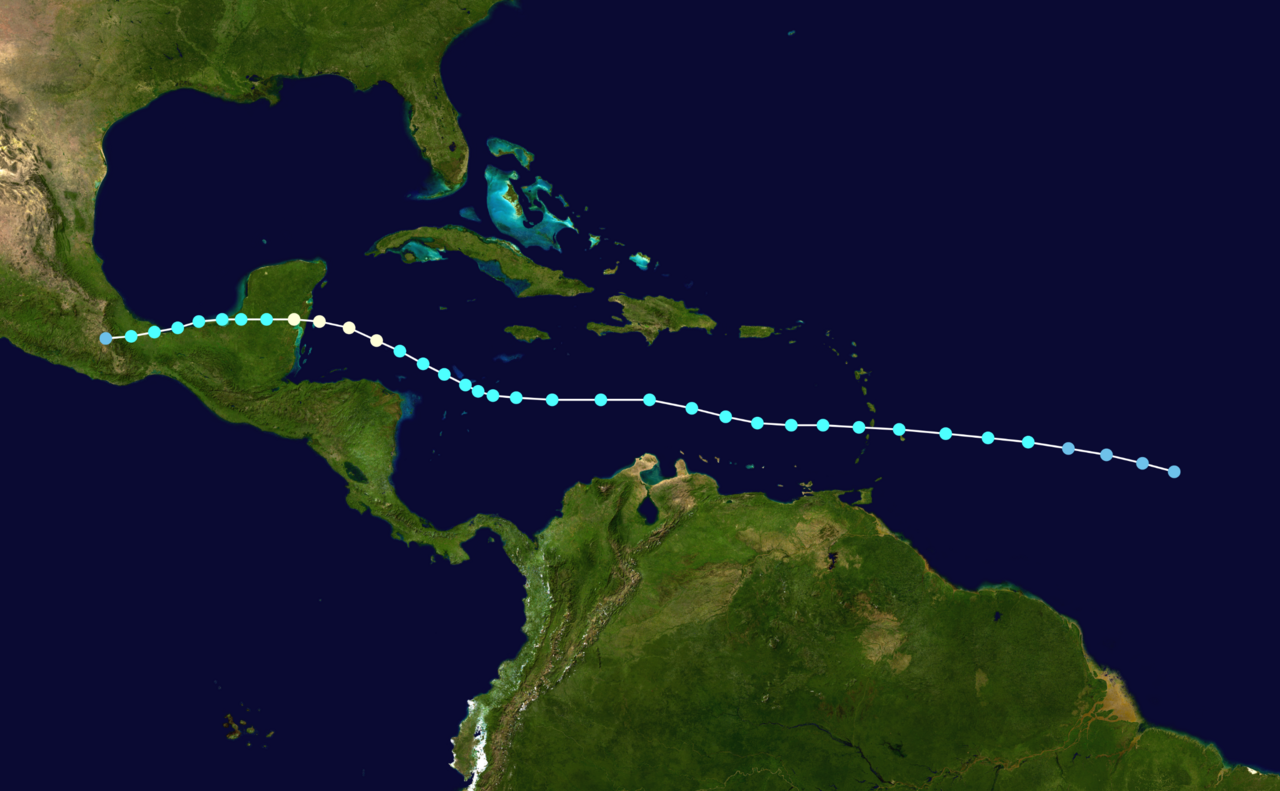


Early season activity and unusual timing
Two tropical cyclones formed before the official start of the season. Tropical Storm Alberto formed on May 19, and within a week another system initially classified as subtropical later transitioned to a tropical storm. This pair of pre-season storms marked the first time since 1908 that two separate storms developed prior to June 1. At the same time, one notable gap in activity occurred: no tropical cyclones formed during July, an uncommon lull for the heart of the Atlantic season.
Storm types and behavior
Tropical cyclones in this season included systems that began as subtropical storms before acquiring tropical characteristics, as well as conventional tropical depressions, tropical storms, and hurricanes. Many systems were relatively short lived and remained over open water, limiting their direct effects on land. Nonetheless, a smaller number of storms intensified enough to produce extensive rainfall, storm surge, and destructive winds when they made landfall or interacted with populated coastlines.
Notable storms and impacts
Among the most consequential events of the season were late-season storms that affected the Caribbean and the eastern United States, producing widespread damage, coastal flooding, and long recovery efforts. Some storms coincided with major social events and electoral activities, complicating response and logistics in affected regions. For detailed histories of individual systems and their tracks, consult dedicated storm reports and post-season analyses.
Meteorological context and metrics
Forecasters evaluate seasonal activity using indices such as ACE, which combine storm intensity and duration into a single metric. A season with above-average ACE may still be dominated by short-lived storms if a few long-lived or intense systems contribute disproportionally to the index. The 2012 season demonstrated this pattern: many storms were weak or brief, but the cumulative energy and several high-impact events resulted in above-average seasonal metrics and significant damage totals.
Legacy and distinct features
- Unusually early development: two pre-season named storms in May.
- Mid-season inactivity: a complete absence of storm formation during July.
- Contrast between frequency and impact: numerous short-lived systems but several storms with major societal consequences.
For more information on how tropical cyclones form and the historical context of active seasons, see introductory resources on the seasonal event and general explanations of tropical cyclones. For details on specific storms mentioned here, including the May system that became Tropical Storm Beryl, consult archived storm summaries and technical discussions such as the post-storm analyses available through meteorological agencies: Beryl (May) report.
The 2012 Atlantic hurricane season remains notable for its early start, unusual lull in July, and the contrast between many fleeting storms and a handful of high-impact systems. Researchers and emergency managers study such seasons to refine forecasts, improve preparedness, and reduce future storm-related losses.
Questions and answers
Q: What was the 2012 Atlantic hurricane season like in terms of ACE and damage?
A: The 2012 Atlantic hurricane season was an above average season in terms of ACE and damage.
Q: Were most of the storms in the 2012 Atlantic hurricane season strong or weak?
A: Most storms were weak and short lived in the 2012 Atlantic hurricane season.
Q: When did the 2012 Atlantic hurricane season begin?
A: The 2012 Atlantic hurricane season began on June 1, 2012.
Q: Which were the first two storms to form in the 2012 Atlantic hurricane season?
A: The first two storms to form in the 2012 Atlantic hurricane season were Tropical Storm Alberto and Tropical Storm Beryl.
Q: When did Tropical Storm Beryl become a tropical storm?
A: Tropical Storm Beryl became a tropical storm on May 27, 2012.
Q: Has it happened before that two storms formed before the official start date of the hurricane season?
A: Yes, it happened before that two storms formed before the official start date of the hurricane season. The last time was in the 1908 Atlantic hurricane season.
Q: Were there any storms formed in July during the 2012 Atlantic hurricane season?
A: No, there were no storms formed in the month of July in the 2012 Atlantic hurricane season.
Related articles
Author
AlegsaOnline.com 2012 Atlantic hurricane season: overview, notable storms, and unusual features Leandro Alegsa
URL: https://en.alegsaonline.com/art/112488
Sources
- nhc.noaa.gov : "Tropical Storm Alberto Discussion Number 12"
- nhc.noaa.gov : "Tropical Storm Alberto Tropical Cyclone Update"
- nhc.noaa.gov : Subtropical Storm Beryl Discussion One
- abcactionnews.com : "2012 Atlantic hurricane season tropical storm names"
- nhc.noaa.gov : Tropical Cyclone Naming History and Retired Names