
1956 Winter Olympics — Cortina d'Ampezzo
Overview of the VII Olympic Winter Games held at Cortina d'Ampezzo in 1956: events, notable athletes, the Soviet debut and leading results, and the Games' lasting significance.
Overview
The VII Olympic Winter Games were staged in Cortina d'Ampezzo in Italy. Held in the mid-1950s, these Games brought together winter-sport competitors from across the world to contest traditional disciplines such as alpine skiing, figure skating, ice hockey, Nordic events, speed skating and bobsleigh. The 1956 edition is often remembered for outstanding individual performances and for important geopolitical firsts in Olympic competition.
Image gallery
8 Images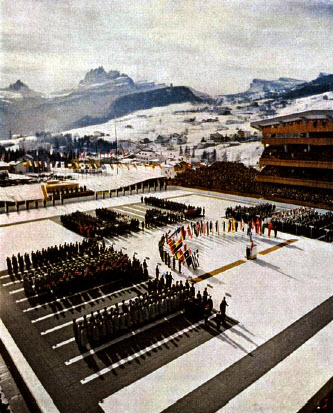




Events and venues
Competitions were spread among mountain slopes, frozen lakes and purpose-built rinks around the host town. Alpine events used steep, natural terrain for downhill and technical runs, while skating and hockey were contested on prepared ice surfaces. The programme followed the standard Winter Olympic line-up of the era, with multiple medal events for men and women in most sports.
Notable results and athletes
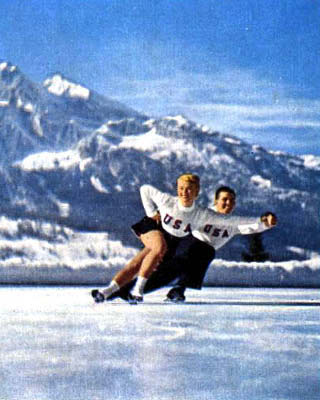
Austrian skier Toni Sailer achieved remarkable success by winning all three individual men's alpine skiing gold medals, a feat that elevated him to global prominence. In figure skating the United States produced gold-medal performances in the singles competitions that attracted wide attention. The ice hockey tournament produced one of the most significant outcomes of the Games when the newly entered national team of the Soviet Union rose to the top of the standings.
Historical significance
The 1956 Winter Games marked the first participation of the Soviet Union at the Winter Olympics; their athletes made a strong impression and the nation topped the overall medal table, signalling a shift in the balance of power in several winter sports. The performance of both individuals and teams in Cortina reflected broader postwar changes in sport, training and international competition.
Legacy and impact
Cortina's staging of the Games helped develop winter-sport infrastructure in the Italian Alps and boosted the town's profile as a major winter-resort venue. Achievements from 1956 — dominant individual victories and a memorable national debut — remain frequently cited in histories of the Olympic Winter Games. Cortina later remained linked to Olympic planning and development in subsequent decades.
Further reading
- Summary of medal highlights and top performers.
- Accounts of how the 1956 results influenced winter-sport rivalries.
- Local and international legacy of hosting the VII Winter Games.
Related articles
Author
AlegsaOnline.com 1956 Winter Olympics — Cortina d'Ampezzo Leandro Alegsa
URL: https://en.alegsaonline.com/art/112041