
2007 French presidential election
The two-round presidential contest in France held on 21–22 April and 5–6 May 2007. Key candidates included Nicolas Sarkozy and Ségolène Royal; Sarkozy won the presidency in the runoff.
Overview
The 2007 French presidential election was held in two rounds on 21–22 April and 5–6 May 2007. It marked the end of Jacques Chirac's presidency when he chose not to seek a third term and produced a decisive contest between the centre-right and centre-left. The campaign attracted national attention because of its wide field of candidates and the strong performance of a centrist candidate that reshaped the runoff dynamics.
Image gallery
10 Images




Candidates and parties
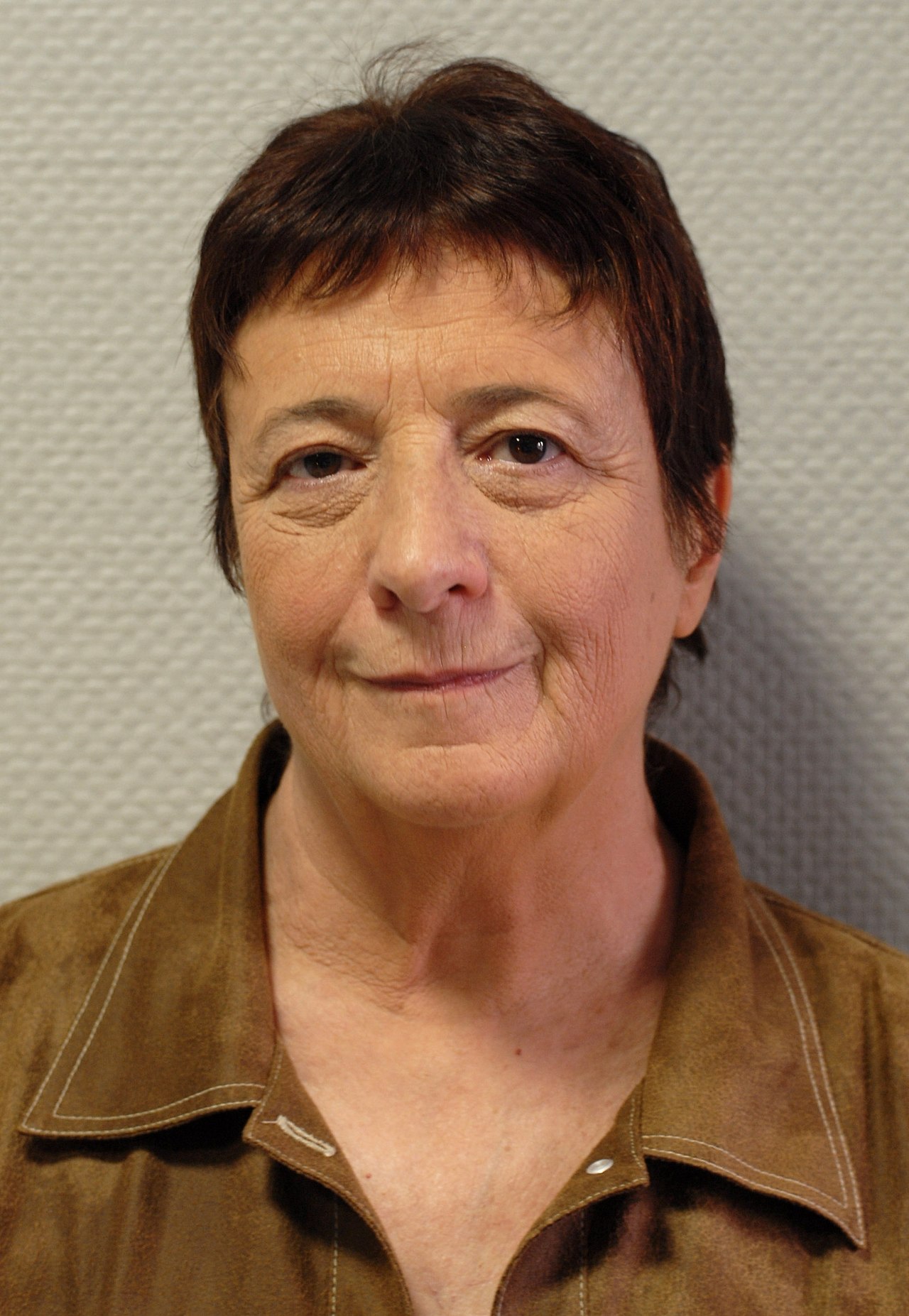
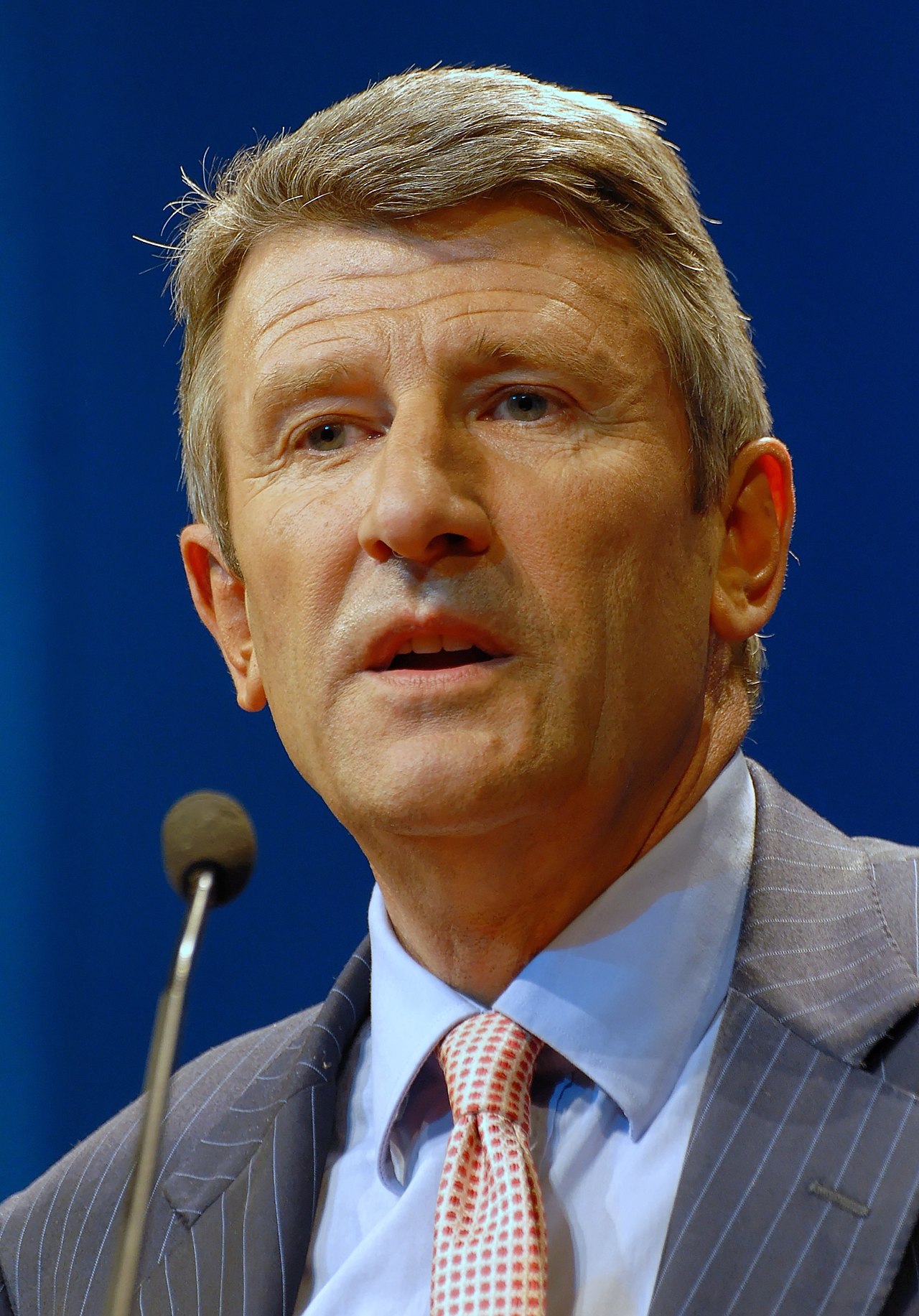
Many political parties and independent figures stood for election. Major contenders included:
- Nicolas Sarkozy (Union for a Popular Movement, UMP)
- Ségolène Royal (Socialist Party, PS)
- François Bayrou (centrist Union for French Democracy tradition)
- Jean-Marie Le Pen (National Front)
- Arlette Laguiller, Olivier Besancenot, Marie-George Buffet and several smaller party nominees
First round and runoff
In the first round Nicolas Sarkozy finished ahead with roughly 31% of the vote while Ségolène Royal received about 26%, allowing both to advance to the second round. The centrist François Bayrou achieved a strong third-place showing (around the high teens) that surprised many commentators and indicated a significant appetite for a centrist alternative. Jean-Marie Le Pen and other candidates took smaller shares. In the runoff, Nicolas Sarkozy won the presidency with a clear majority (about 53%), defeating Royal and beginning a centre-right administration.
Campaign themes and controversies
The campaign blended economic, social and security debates. Sarkozy campaigned on measures to liberalize the economy, strengthen law-and-order policies and signal a break from past practices, while Royal emphasized social justice, education reforms and participatory methods within the left. The race included intense televised debates and frequent media scrutiny of candidates' personal styles and proposals. Bayrou's rise complicated traditional left–right alignments and forced both finalists to court centrist voters for the runoff.
Turnout, significance and distinctions
Voter participation was high by international standards, as is typical for French presidential contests. The 2007 election is notable for three features: the voluntary departure of an incumbent president (Jacques Chirac), the emergence of a powerful centrist candidacy that reshaped conventional coalitions, and the election of Nicolas Sarkozy as a figure promising change. It also illustrated the continued role of the two-round system in allowing new alignments to form between rounds.
Aftermath and legacy
Sarkozy's victory set the tone for domestic reforms pursued by his government and for an active presidency on international issues. The 2007 contest influenced later debates about party realignment and the appeal of centrist politics in France. Scholars and commentators continue to view the election as a turning point that exposed voter volatility and the limits of traditional party loyalties in the early 21st century. For more details on institutions and results see national sources on French elections and party platforms (France, Ségolène Royal, Socialist Party, Jean-Marie Le Pen, French Communist Party).
Questions and answers
Q: Who were the main candidates in the 2007 French presidential election?
A: The main candidates in the 2007 French presidential election were Arlette Laguiller from Lutte Ouvrière, Nicolas Sarkozy from the Union for a Popular Movement, Ségolène Royal from the Socialist Party, François Bayrou from the Union for French Democracy, Jean-Marie Le Pen from the National Front, Olivier Besancenot from the Revolutionary Communist League, Philippe de Villiers from the Movement for France, Marie-George Buffet from the French Communist Party, Dominique Voynet from The Greens, José Bové, Frédéric Nihous from Hunting, Fishing, Nature and Tradition and Gérard Schivardi from Workers' Party.
Q: Who was incumbent president at this time?
A: At this time Jacques Chirac was incumbent president.
Q: When did this election take place?
A: This election took place on 21–22 April and 5–6 May 2007.
Q: What percentage of votes did Nicolas Sarkozy win in round one of voting?
A: In round one of voting Nicolas Sarkozy won 31.2% of votes.
Q: What percentage of votes did Ségolène Royal win in round one of voting?
A: In round one of voting Ségolène Royal won 25.9% of votes.
Q: Who won overall in this election?
A: Overall Nicolas Sarkozy won with 53.1% of votes in round two of voting.
Related articles
Author
AlegsaOnline.com 2007 French presidential election Leandro Alegsa
URL: https://en.alegsaonline.com/art/112397
Sources
- news.bbc.co.uk : "Chirac Backs Sarkozy in Poll Race"