
1960 Summer Olympics — Rome (Games of the XVII Olympiad)
The 1960 Summer Olympics in Rome combined classical settings with modern sport, notable for landmark athletic performances, expanded television coverage, and hosting the first official Paralympic Games in the same city.
Overview
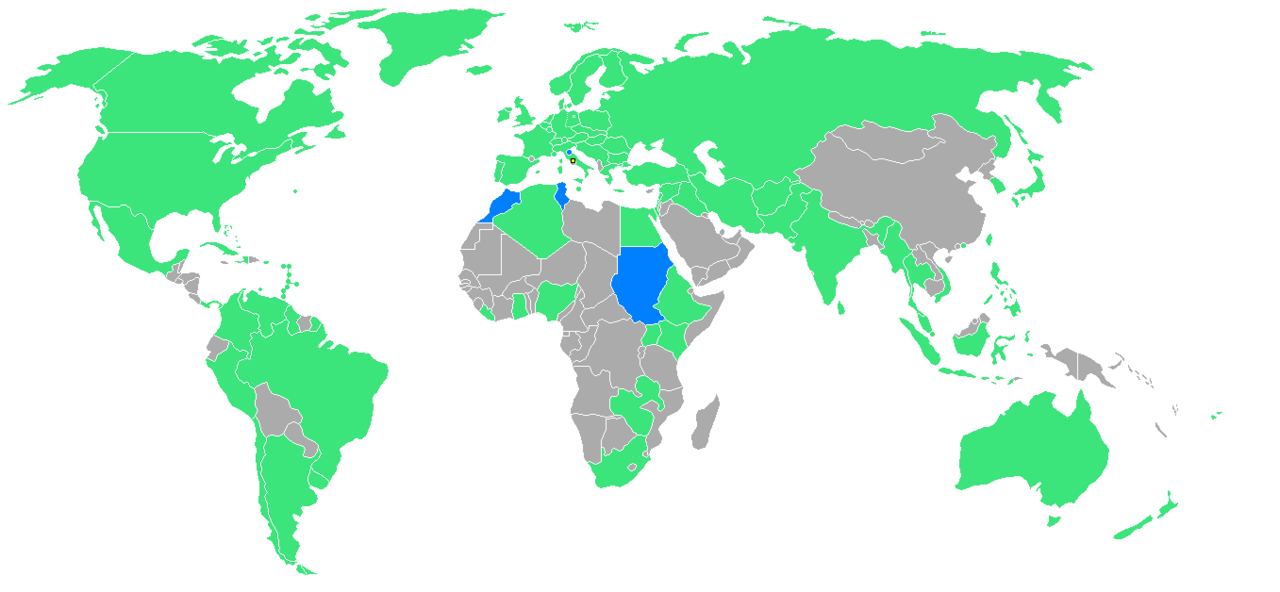
The 1960 Summer Olympics, formally the Games of the XVII Olympiad, were staged in Rome, Italy, in late August and early September of 1960. The Games brought together athletes from some eighty nations to compete across the Olympic programme of the time. Organizers sought to present international sport against the city’s historic monuments and restored sites while building and adapting modern facilities required by contemporary competition.
Image gallery
2 Images
Host selection and historical context
Rome’s association with the Olympic movement predated 1960. The city had previously been chosen to host the 1908 Games, but circumstances changed after the 1906 eruption of Mount Vesuvius and financial priorities shifted, with London ultimately staging that edition; for further background see the earlier award history documented elsewhere (1908 selection). The 1960 appointment offered Rome an opportunity to link antiquity and modernity in a high-profile international event.
Venues and urban impact
Competitive events were distributed among new and existing sites: a principal athletics stadium was built or renovated, aquatic and indoor arenas were provided, and several contests took place near landmarks to highlight the city’s cultural heritage. The Games required infrastructure improvements, temporary installations, and transport upgrades; planners attempted to balance conservation of archaeological areas with the technical needs of elite sport.
Participation and sports
Delegations represented nations from Europe, the Americas, Africa, Asia and Oceania. The programme included traditional summer Olympic sports of the era; many athletes used Rome as a platform to establish or extend international reputations. The scale of participation reflected the growing global character of the movement during the postwar decades.
Memorable performances
The 1960 Olympics are remembered for a number of iconic achievements. Long-distance runner Abebe Bikila won the marathon running barefoot, becoming a powerful symbol of athletic talent from Africa. Sprinter Wilma Rudolph emerged as an international star through multiple sprint medals, and the young Cassius Clay, later Muhammad Ali, won Olympic boxing gold before his professional career. These performances had significance beyond sport, intersecting with broader social and cultural currents of the era.
Broadcasting and related events
Television coverage was an increasingly prominent element of the Rome Games. Broadcasters invested to bring the event to wider audiences; in the United States, CBS paid for the network rights, reflecting the rising commercial and cultural importance of televised sport. In parallel, Rome in 1960 hosted the first organised international multi-sport competition for athletes with disabilities later recognised as the inaugural Paralympic Games, marking an important step toward inclusion in global sport.
Legacy
Rome 1960 is often cited for its evocative use of historical backdrops and for memorable individual achievements that helped broaden the appeal of the Olympic movement. The edition influenced how future hosts could integrate cityscape and heritage with competition needs, and it illustrated the growing role of media and mass audiences in shaping the modern Olympic experience.
Notable facts
- The host city, Rome, presented ancient monuments alongside modern stadia and facilities.
- Rome’s earlier connection to the Olympic movement included an award for the 1908 Games; that episode is linked to the city’s wider Olympic history (see note).
- After the 1906 eruption of Mount Vesuvius, plans changed and London staged the 1908 Games instead.
- Television rights for the United States were purchased by CBS, reflecting the growing commercial value of Olympic broadcasting.
- The 1960 city also hosted the first official Paralympic Games, an important milestone for athletes with disabilities.
Related articles
Author
AlegsaOnline.com 1960 Summer Olympics — Rome (Games of the XVII Olympiad) Leandro Alegsa
URL: https://en.alegsaonline.com/art/112056
Sources
- sports-reference.com : "1960 Rome Summer Games"
- museum.tv : "Olympics and Television"