
1973 oil crisis: causes, impacts, and long-term effects
An encyclopedic overview of the 1973 oil shock: its origins in the Middle East conflict and Arab embargo, the economic and social consequences worldwide, and the lasting shifts in energy policy and industry.
Overview
The 1973 oil crisis was a major international disruption of crude oil supplies that began on October 17 1973. It combined a political embargo by Arab oil producers with coordinated price actions by oil-exporting states. The interruption and cost increases affected industrial nations and triggered wide-ranging economic and policy changes.
Image gallery
10 Images





Origins and timeline
The immediate trigger was the Yom Kippur War in the Middle East. In response to Western states perceived as backing Israel, members of the Organization of Arab Petroleum Exporting Countries (OAPEC) announced restrictions on shipments of petroleum to countries that had shown support for Israel during the conflict, notably producers in and allied with Syria and Egypt. The embargo targeted several industrialized countries, including the United States, Canada, nations of Western Europe and Japan. At the same time, members of OPEC took steps to raise posted oil prices after talks and negotiations with major international oil companies did not secure favorable terms.
Mechanisms and immediate effects
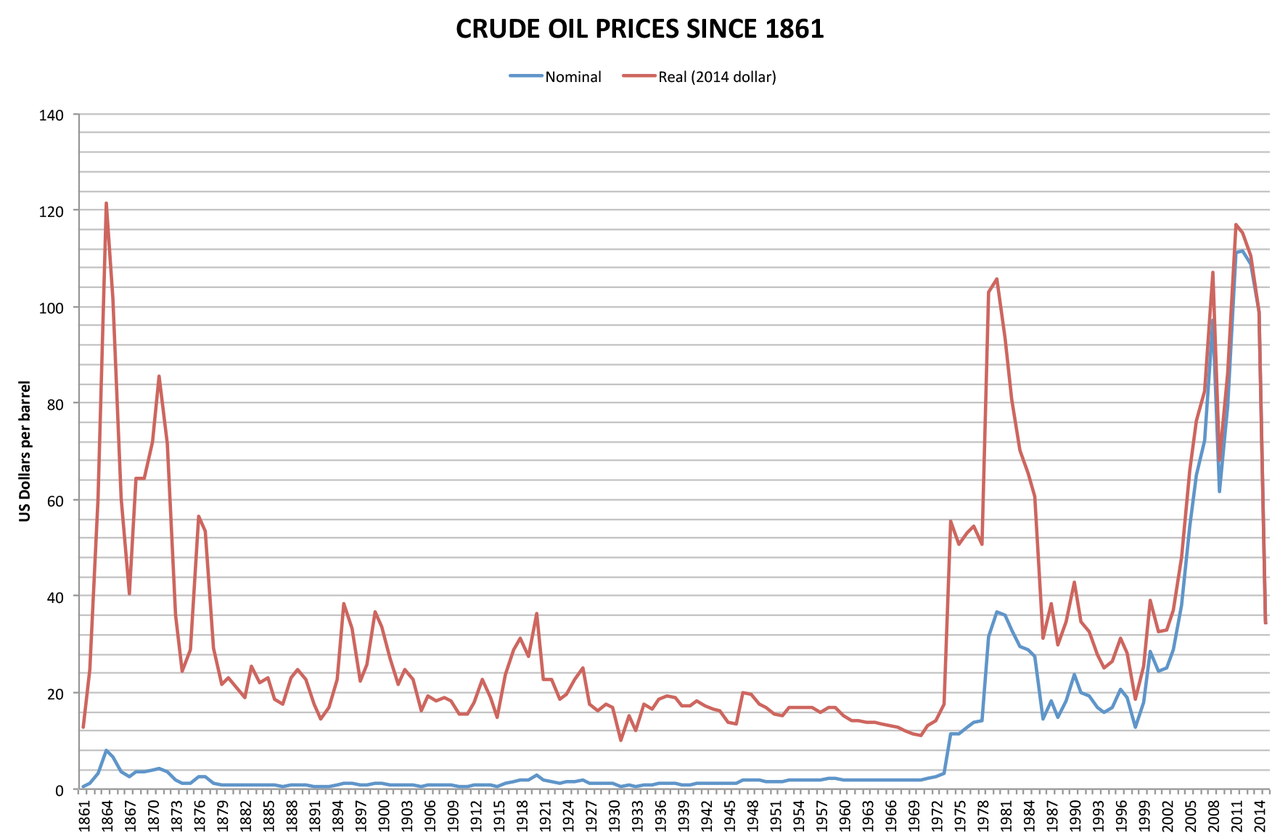
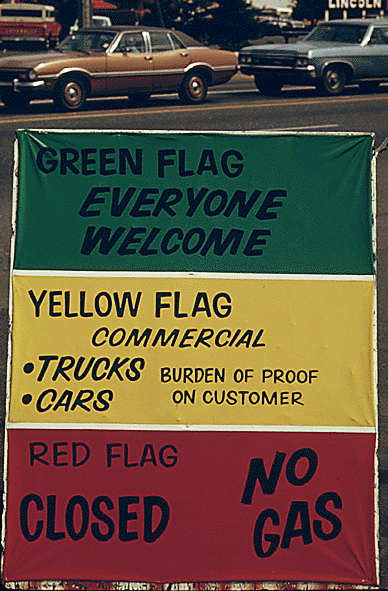
The dual action—an export embargo by Arab producers and price increases arranged through oil-exporting states—reduced available supply for targeted markets and sent crude prices sharply higher. The shock exposed the industrialized world's heavy dependence on imported oil. Shortages and rationing followed in many places: fuel queues at pumps, limits on gasoline purchases, reductions in refinery output, and disruptions to industrial production. The resulting combination of rising inflation and slowing growth contributed to a period often described as stagflation that weighed on global economies through the decade.
Responses and adaptations
Governments and industries adopted a range of measures to cope. Emergency measures and conservation rules were introduced, strategic reserves were created or expanded in several countries, and investment shifted into alternative energy research and efficiency. Automakers around the world moved toward smaller, more fuel-efficient vehicles; Japanese manufacturers in particular increased production of compact, efficient automobiles, helping their economies recover and compete internationally. Energy policy was reshaped to emphasize diversification of supply, conservation, and reduced vulnerability to future supply shocks.
Long-term consequences and notable facts
The embargo was formally lifted in March 1974, but the episode had enduring consequences. Higher oil prices and shifts in trade and investment patterns persisted beyond the immediate crisis, with elevated price levels and market volatility continuing into the early 1980s and with a significant market correction occurring around 1986. The shock also accelerated political and institutional changes in the global energy system, including a stronger role for oil-exporting states in setting prices and a recalibration of foreign and economic policy in many consuming countries.
Summary of impacts
- Immediate disruption of supply and sharp fuel price increases.
- Shortages, rationing and altered consumption patterns in affected countries.
- Longer-term policy responses: strategic reserves, conservation, and diversification.
- Industrial shifts toward fuel efficiency and new competitive dynamics for exporters and manufacturers, notably in Japan.
- A lasting geopolitical realignment in energy diplomacy, as seen in subsequent OPEC actions and global market architecture.
Scholars and policymakers still study the 1973 crisis as a defining example of how geopolitics, resource dependency and market structure can combine to produce global economic disruption. For more detailed timelines and primary documents, see specialized histories and archival collections linked from authoritative repositories and national energy agencies (for further reference, consult sources indexed under October 1973, 1973 and related diplomatic records).
Related articles
Author
AlegsaOnline.com 1973 oil crisis: causes, impacts, and long-term effects Leandro Alegsa
URL: https://en.alegsaonline.com/art/112128