
1920 Summer Olympics (Games of the VII Olympiad)
The 1920 Summer Olympics in Antwerp, Belgium, were the first Games after World War I, notable for introducing the Olympic flag and oath, postwar exclusions, and early Olympic ice hockey competition.
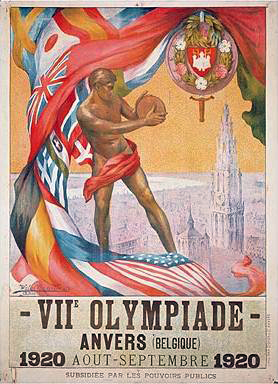
The 1920 Summer Olympics, officially the Games of the VII Olympiad, were awarded to Antwerp and staged in Belgium in the wake of World War I. The decision to hold the Games there reflected a desire to honor the suffering of the host nation and to restore international sporting ties after the conflict.
Image gallery
8 Images



Background and context
The Antwerp Games took place against difficult economic and political circumstances. Many countries were recovering from wartime devastation, resources were scarce, and organisers faced tight budgets and unfinished facilities. Attendance and commercial support were lower than for prewar editions, but the event carried strong symbolic weight as a step toward normalcy and international reconciliation.
Highlights and innovations
- The Olympic flag bearing the five interlocking rings was flown for the first time, becoming the enduring symbol of the movement.
- An athlete’s oath—pledging fair play and sportsmanship—was introduced and recited at the opening ceremony.
- Ice hockey made its Olympic debut as part of the programme, reflecting flexible scheduling in early Games.
- Emblems of peace and remembrance featured prominently; organisers emphasised harmony after wartime hostilities.
Participation and exclusions
The Games reunited many nations but also reflected the political aftermath of war. Countries on the losing side of the conflict were not invited, and some states were absent for political or economic reasons. Despite these gaps, athletes from numerous continents competed in a broad range of sports, reviving international competition.
Although constrained by finances and lower spectator numbers, the 1920 Olympics left a clear legacy: new symbols and ceremonies that shaped modern Olympic ritual, and a public reminder that sport could contribute to diplomatic rebuilding. The Antwerp edition stands as a transitional and symbolic chapter in Olympic history.
Related articles
Author
AlegsaOnline.com 1920 Summer Olympics (Games of the VII Olympiad) Leandro Alegsa
URL: https://en.alegsaonline.com/art/111927
Sources
- sports-reference.com : "1920 Antwerpen Summer Games"
- aafla.org : "A Look at Olympic Costs,"