
1912 Summer Olympics (Games of the V Olympiad)
The 1912 Summer Olympics in Stockholm were a landmark modern Games: notable organization, sporting innovations, the debut of the modern pentathlon, broader female participation, and memorable performances.
The 1912 Summer Olympics, officially the Games of the V Olympiad, were staged in Stockholm, Sweden. Held during the early 20th century, these Games are widely regarded as an important step in the evolution of the modern Olympic movement. Contemporary reports praised their organization, the quality of facilities and the high level of international participation; for the first time athletes from all five continents competed, a milestone often cited in later Olympic histories.
Image gallery
10 Images

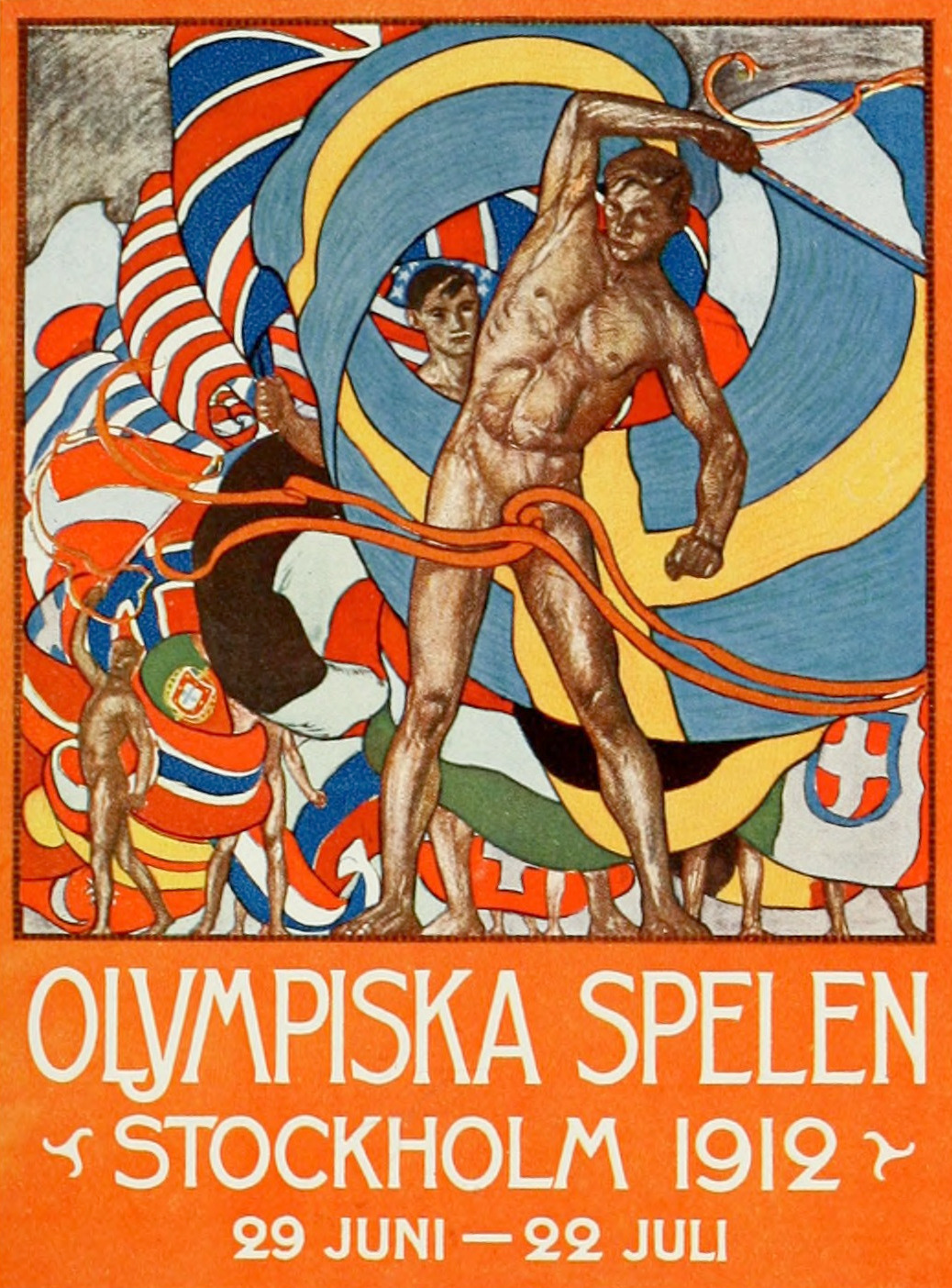


Scope and organization
Organizers introduced more systematic planning and timing methods than at many earlier editions. Stadium facilities and event schedules were improved to accommodate a growing program, and the Games benefitted from clearer rules, better officiating and more precise record-keeping. These developments helped set standards used at subsequent Olympiads and contributed to a more professional public image for the event.
Sports, events and innovations
The competition program included traditional track and field, swimming, gymnastics, rowing and other disciplines, while also incorporating new elements. The modern pentathlon made its Olympic debut, conceived as a test of the varied skills expected of a well-rounded officer. Women’s participation expanded in selected sports, reflecting a gradual widening of opportunities even as many events remained male-only.
Notable moments and controversies
The 1912 Games produced several memorable performances that entered sporting lore. One high-profile controversy concerned the stripping of medals for breaches of early amateur regulations; disputes over amateur status prompted debate about the meaning and enforcement of Olympic eligibility. These and other stories from Stockholm contributed to ongoing reforms in Olympic governance.
Legacy and significance
Stockholm 1912 is often remembered for its combination of broad international representation and organizational progress. The event helped to consolidate standards—timing, judging and event management—that made future Games more consistent. Its mixture of athletic achievement, technical innovation and contested decisions make the 1912 Olympics a key reference point in histories of modern sport.
- Official title: Games of the V Olympiad
- Host city: Stockholm
- Notable introductions: modern pentathlon and expanded women's events
- Historical note: first broad representation from all five continents (symbolic of later Olympic iconography)
Questions and answers
Q: When were the 1912 Summer Olympics held?
A: The 1912 Summer Olympics were held in Stockholm, Sweden.
Q: What were the 1912 Summer Olympics officially known as?
A: The 1912 Summer Olympics were officially known as the Games of the V Olympiad.
Q: How were the 1912 Summer Olympics perceived?
A: The games were thought to be a success.
Q: What was special about the athletes who participated in the 1912 Summer Olympics?
A: For the first time, athletes in the Games came from all five continents symbolized in the Olympic rings.
Q: What is the location of Stockholm?
A: Stockholm is the capital city of Sweden.
Q: How many Olympic rings are there?
A: There are five Olympic rings representing the five continents.
Q: When did the Olympic games start?
A: The first modern Olympic games started in Athens, Greece, in 1896.
Related articles
Author
AlegsaOnline.com 1912 Summer Olympics (Games of the V Olympiad) Leandro Alegsa
URL: https://en.alegsaonline.com/art/111909
Sources
- sports-reference.com : "1912 Stockholm Summer Games"
- aafla.org : "A Look at Olympic Costs,"