
1951 Formula One World Championship
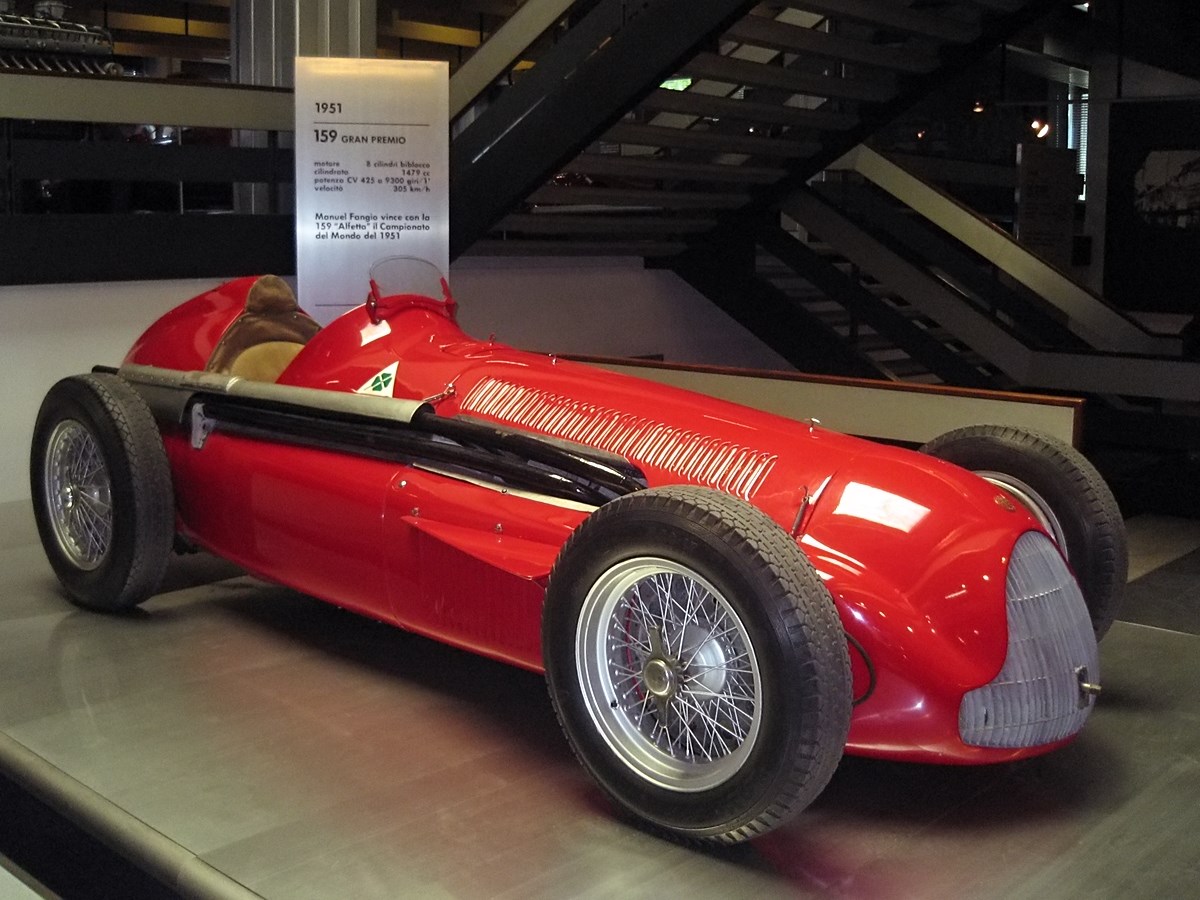
The 1951 Formula One season was the second official World Championship. Juan Manuel Fangio won his first title in a tight contest among Alfa Romeo, Ferrari and other early Grand Prix teams.
Overview
The 1951 Formula One season was the second edition of the FIA World Championship of Drivers. It featured a sequence of Grand Prix events held mostly in Europe, with the Indianapolis 500 included in the championship calendar as in early seasons. The title was won by Juan Manuel Fangio, marking his first World Championship in a closely contested campaign.
Image gallery
7 Images




Format and competition
Races counted toward the world title under a points system that rewarded finishing positions and awarded a bonus point for the fastest lap — a feature of the early championships. The series included both championship rounds and numerous non‑championship Grand Prix that provided testing and competition opportunities outside the points table.
Teams, cars and drivers
Early Formula One was dominated by a handful of manufacturers and privateer entrants. Alfa Romeo and Ferrari were the most prominent factory teams, and other marques such as Maserati and Talbot‑Lago also contested events. Leading drivers of the year included established names and emerging talents; reliability of machinery and team strategy were as decisive as outright speed.
Season narrative and key characteristics
The 1951 campaign was notable for its close title contest and for emphasizing consistency and mechanical resilience. Races on a mix of permanent circuits and road courses rewarded drivers who combined pace with careful management of fragile components. Team tactics, retirements and occasional dominant performances shaped the championship standings throughout the year.
Legacy and significance
Fangio's title in 1951 launched the international career of one of motor sport's most celebrated figures and underlined the growing importance of manufacturer involvement in Grand Prix racing. The season helped to consolidate the World Championship as the premier prize in single‑seater racing and set patterns — technical development, team organisation and international calendars — that would evolve through the decade.
Notable facts
- The Indianapolis 500 remained part of the championship despite being run to different entry lists and regulations.
- A single point for fastest lap influenced race tactics and occasionally the championship outcome.
- The season combined championship events with many non‑championship races that attracted top teams and drivers for additional prize money and development work.
Related articles
Author
AlegsaOnline.com 1951 Formula One World Championship Leandro Alegsa
URL: https://en.alegsaonline.com/art/112019