
1896 United States presidential election — McKinley vs. Bryan and the political realignment
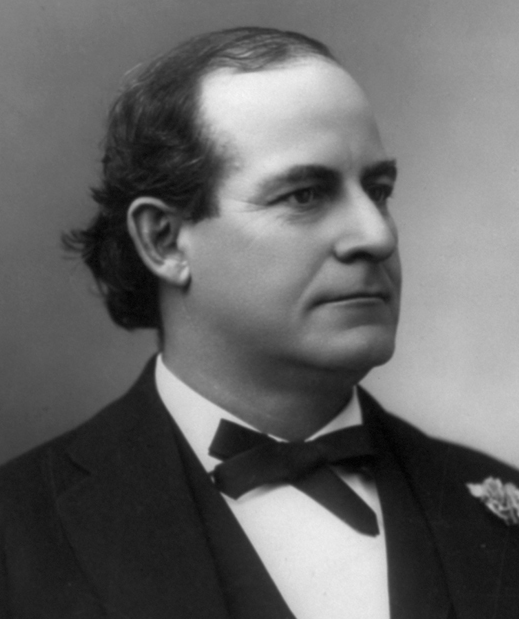
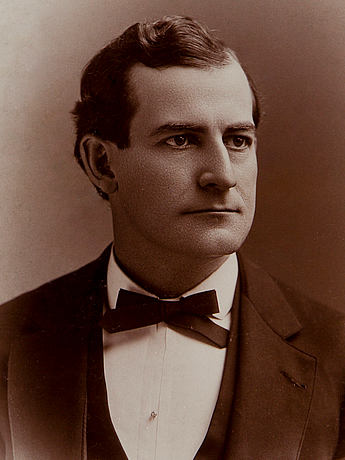
The 1896 contest pitted Republican William McKinley against Democrat William Jennings Bryan. Dominated by debate over gold vs. silver, it occurred during the Panic of 1893 and ushered in a new party era.
Overview
The 1896 United States presidential election was the 28th quadrennial contest and was held on November 3, 1896. It brought into sharp relief competing visions for national economic policy during the economic slump that began with the Panic of 1893. The campaign featured former Governor William McKinley as the Republican standard-bearer and William Jennings Bryan as the Democratic nominee. The election outcome reshaped voter coalitions and is commonly identified as the transition from the "Third Party System" to the "Fourth Party System." The contest took place across the United States and is often cited as a turning point in modern American politics; it is sometimes labeled the 28th presidential election in historical summaries.
Image gallery
10 Images






Key issues and campaign styles
Money and economic policy dominated the campaign. The central dispute concerned bimetallism (free silver) versus the gold standard. Bryan and many Populists argued for free silver to inflate currency and relieve indebted farmers, while McKinley and his backers favored maintaining the gold standard to stabilize prices and reassure investors. Tariff policy and economic recovery were also important.
- Free silver: championed by Bryan and allies in the West and South.
- Gold standard: defended by McKinley and much of the industrial Northeast.
- Campaign tactics: McKinley ran a coordinated "front-porch" effort supported by substantial fundraising; Bryan campaigned actively on the road, giving thousands of speeches.
Candidates, organization, and funding
Organizations and money played a decisive role. Republican strategist and financier allies organized a disciplined campaign for McKinley that emphasized endorsements, advertising, and outreach to business and urban voters. Bryan, a charismatic orator and advocate for agrarian and silver interests, energized rural voters and labor but faced funding disadvantages. Bryan had won Democratic support after his impassioned "Cross of Gold" rhetoric at the party convention; his nomination is one of the era's most remembered moments.
Results and significance
McKinley's victory was interpreted as a mandate for the gold standard and for policies that favored industrial growth and protective tariffs. The electoral map showed a realignment in which the GOP consolidated strength among urban, business, and middle-class voters, while Democrats and Populists retained influence in the rural South and parts of the West. The election's outcome influenced policy into the early 20th century and shaped party strategies for decades.
Legacy and notable facts
The 1896 election is important for historians because it combined economic crisis, dramatic oratory, modern campaign organization, and clear regional divisions into a single contest whose effects lasted well beyond the immediate aftermath. It introduced campaign techniques and financing patterns that would become standard. Scholars often point to the election as the start of a Republican-dominated era of national politics, while commentators note Bryan's role as a leading voice for Populist and progressive causes in later years. For further reading, consult general histories of the period and detailed electoral analyses available from standard references and archives linking to party documents and contemporary accounts via Republican and Democrat party materials.
Questions and answers
Q: When was the 1896 United States presidential election held?
A: The 1896 United States presidential election was held on Tuesday, November 3, 1896.
Q: Who were the two candidates in the 1896 United States presidential election?
A: The two candidates in the 1896 United States presidential election were former Governor William McKinley, the Republican candidate, and Democrat William Jennings Bryan.
Q: Who won the 1896 United States presidential election?
A: William McKinley, the Republican candidate, won the 1896 United States presidential election.
Q: What was the economic situation during the 1896 United States presidential campaign?
A: The economic situation during the 1896 United States presidential campaign was an economic depression called the Panic of 1893.
Q: What is the significance of the 1896 United States presidential election?
A: The 1896 United States presidential election is considered to mark the change from the "Third Party System" to the "Fourth Party System".
Q: What is the difference between the "Third Party System" and the "Fourth Party System"?
A: The "Third Party System" describes the period from the early 1850s to the mid-1890s, characterized by a two-party system of Democrats and Republicans. The "Fourth Party System" describes the period from the mid-1890s to the mid-1930s, characterized by a shift towards Republican dominance and the emergence of new issues, such as the Progressive movement.
Q: Why is the 1896 United States presidential election significant for the transition to the "Fourth Party System"?
A: The 1896 United States presidential election is significant for the transition to the "Fourth Party System" because it marked the emergence of new issues, such as industrialism and the gold standard, which played a key role in shaping American politics in the following decades.
Related articles
Author
AlegsaOnline.com 1896 United States presidential election — McKinley vs. Bryan and the political realignment Leandro Alegsa
URL: https://en.alegsaonline.com/art/111872
Sources
- presidency.ucsb.edu : "Voter Turnout in Presidential Elections"