
1878
1878 — a year shaped by the end of the Russo‑Turkish War and the Congress of Berlin, a major Paris Exposition, the first commercial telephone exchange, and a devastating yellow fever epidemic in the United States.
Overview
1878 was a year of diplomatic realignment, technological beginnings and public health crisis. The Russo‑Turkish War that began in 1877 concluded with agreements that provoked a major international conference in Berlin. At the same time industrial and cultural exhibitions showcased modern inventions, while new communications technology began limited commercial use. Elsewhere, epidemics and imperial maneuvers shaped societies and borders.
Image gallery
10 Images


Politics and international affairs
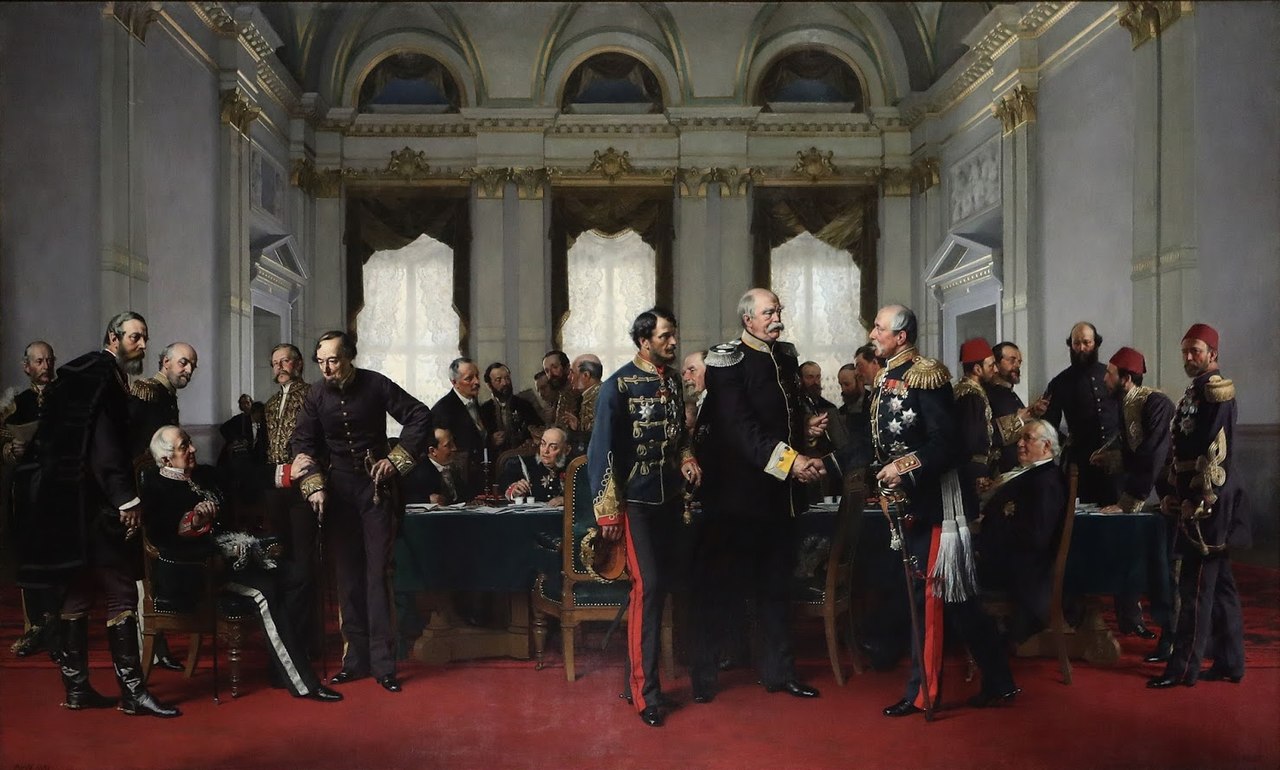
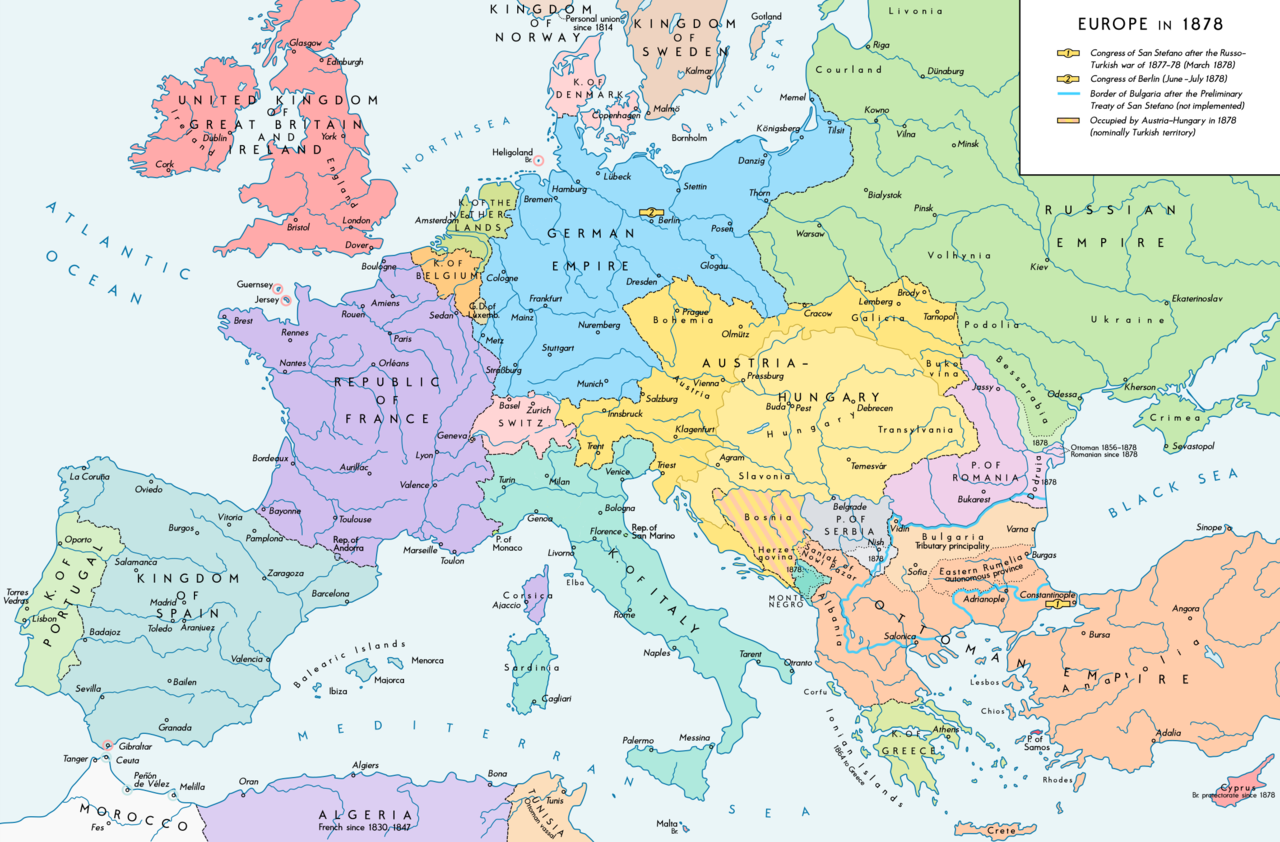
The armistice following the Russo‑Turkish conflict produced the Treaty of San Stefano in March 1878, creating large autonomous Bulgarian territories and other changes in the Balkans. The great powers then met at the Congress of Berlin (June–July 1878) to revise those terms: the congress reduced the size of the Bulgarian state, confirmed or adjusted independence and autonomy for Romania, Serbia and Montenegro, and transferred influence in the eastern Mediterranean. In July 1878 Britain took administrative control of Cyprus under an arrangement with the Ottoman Empire.
Science, technology and public health
1878 saw early commercial deployment of telephone technology: the first commercial telephone exchange began operating in New Haven, Connecticut, allowing multiple subscribers to connect calls via a central office. Industrial and cultural progress were highlighted at the Paris Exposition Universelle (May–November 1878), where manufacturers and inventors displayed new machines and products. The year also witnessed a severe yellow fever epidemic across the Mississippi Valley, most notably in Memphis, Tennessee, which caused many deaths and mass departures of residents and had lasting social and economic effects.
Culture, sport and society
Cultural life combined traditional forms and modern showplaces: world's fairs and exhibitions brought international art and industry to public attention, while organized sports continued to develop with annual tournaments and clubs becoming established in several countries. Urbanization, expanding rail and telegraph networks and the early spread of telephone service were gradually altering daily life and business practices.
Notable events and legislation
- February–March: Diplomatic activity culminates in the Treaty of San Stefano and its revision at the Congress of Berlin.
- February 28: The Bland–Allison Act in the United States required limited coinage of silver (a significant moment in Gilded Age economic policy).
- May–November: The Exposition Universelle in Paris presented industrial and cultural achievements from many countries.
- Summer: Yellow fever epidemic devastates parts of the Mississippi Valley, severely affecting Memphis.
- January: The first commercial telephone exchange opens for subscribers in New Haven, Connecticut.
Legacy and significance
The diplomatic settlements of 1878 reshaped southeastern Europe and set the stage for continued tensions through the late 19th and early 20th centuries. Technological advances shown at exhibitions and demonstrated in early telephone networks signaled the accelerating pace of communication and industrial change. Public health crises of the year also prompted new attention to disease control and urban sanitation in affected regions. Together these threads—diplomacy, technology, exhibition culture and health—make 1878 a transitional year in the modernizing world.
Related articles
Author
AlegsaOnline.com 1878 Leandro Alegsa
URL: https://en.alegsaonline.com/art/111845