
1879: science, wars, and the birth of modern figures
A concise survey of 1879, highlighting major conflicts, scientific advances—especially electric lighting—cultural landmarks, and notable births that shaped the 20th century.
Overview
The year 1879 sits near the end of the 19th century, a period marked by rapid industrialization, imperial expansion, and scientific experimentation. Across the globe that year, military clashes and political contests intersected with technological breakthroughs that would help reshape daily life and industry in the decades to come.
Image gallery
10 Images





Politics and conflicts
1879 saw several significant military episodes. In southern Africa the Anglo‑Zulu War produced dramatic and widely discussed battles, most notably the British defeat at Isandlwana and the subsequent defence at Rorke's Drift. In South America, tensions over territory and resources escalated into the War of the Pacific, which drew Chile, Peru and Bolivia into an extended conflict that began in 1879. These events reflected the era's mixture of imperial ambition, local resistance and the strategic importance of natural resources.
Science and technology
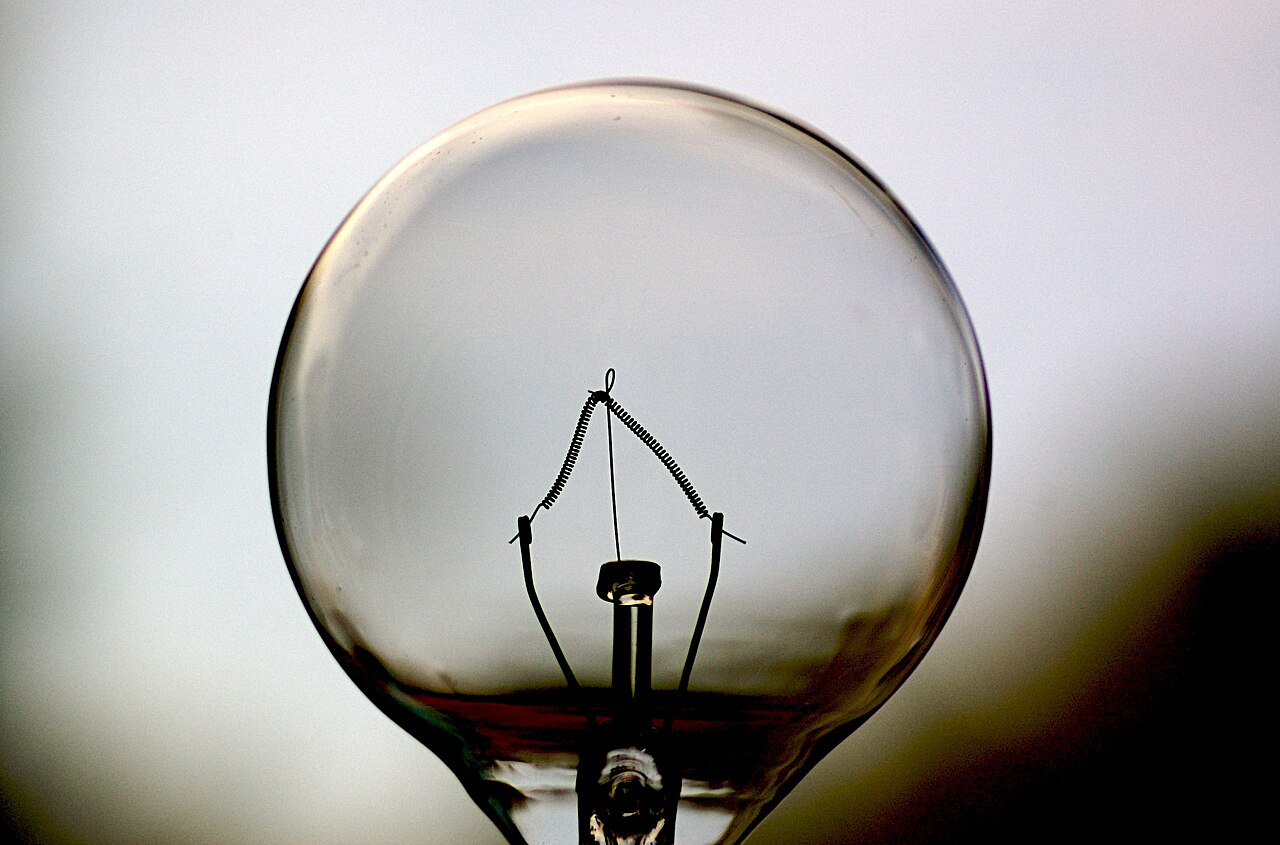
Technological progress in 1879 included milestones in electrical engineering and illumination. Thomas Edison and his team carried out decisive experiments on incandescent filaments that year, demonstrating a practical electric light which accelerated the shift from gas and oil lamps to electric lighting. Early demonstrations and experiments with electrically powered transport and utilities also took place, part of a broader wave of innovations that would transform cities and industry.
Culture, society and notable events
Besides military and scientific news, 1879 witnessed public tragedies and cultural developments that captured attention. One of the era's most notorious engineering disasters occurred when a railway bridge collapsed in a major accident that prompted inquiries into construction standards and safety. Meanwhile, literature, theatre and the visual arts continued to evolve as audiences and markets expanded with growing urban populations.
Notable births and legacy
The year produced individuals who would influence science, politics and culture in the 20th century. Most famously, Albert Einstein was born in 1879; his later work would revolutionize physics. Other figures born that year went on to play prominent roles in political movements, scientific research and the arts. Collectively, the events and people of 1879 illustrate a world at the cusp of modernity, where technological possibility and geopolitical rivalry advanced in tandem.
Selected events and figures of 1879
- Anglo‑Zulu War: major engagements including Isandlwana and Rorke's Drift.
- Outbreak of the War of the Pacific between Chile, Peru and Bolivia.
- Thomas Edison’s successful experiments with practical incandescent lighting.
- Notable catastrophic bridge collapse spurred engineering review and reform.
- Notable birth: Albert Einstein, physicist whose theories reshaped modern physics.
- Other births: several scientists, political leaders and cultural figures who rose to prominence in the 20th century.
Understanding 1879 helps place the closing decades of the 19th century in context: technological ingenuity, imperial contest, and social change combined to lay groundwork for the modern era.
Related articles
Author
AlegsaOnline.com 1879: science, wars, and the birth of modern figures Leandro Alegsa
URL: https://en.alegsaonline.com/art/111846