
1881 — a year of political change, violence, and social initiatives
1881 was marked by major political upheavals, notable assassinations, colonial negotiations, and the founding of lasting institutions such as the American Red Cross and Tuskegee Institute.
Overview
1881 sits in the middle of the late 19th century, a period shaped by rapid industrialization, expanding global empires, and growing mass communications. The year is best remembered for several dramatic political events, outbreaks of violence with international impact, and the creation of social and educational institutions that continued to influence later decades.
Image gallery
10 Images




Notable events and developments
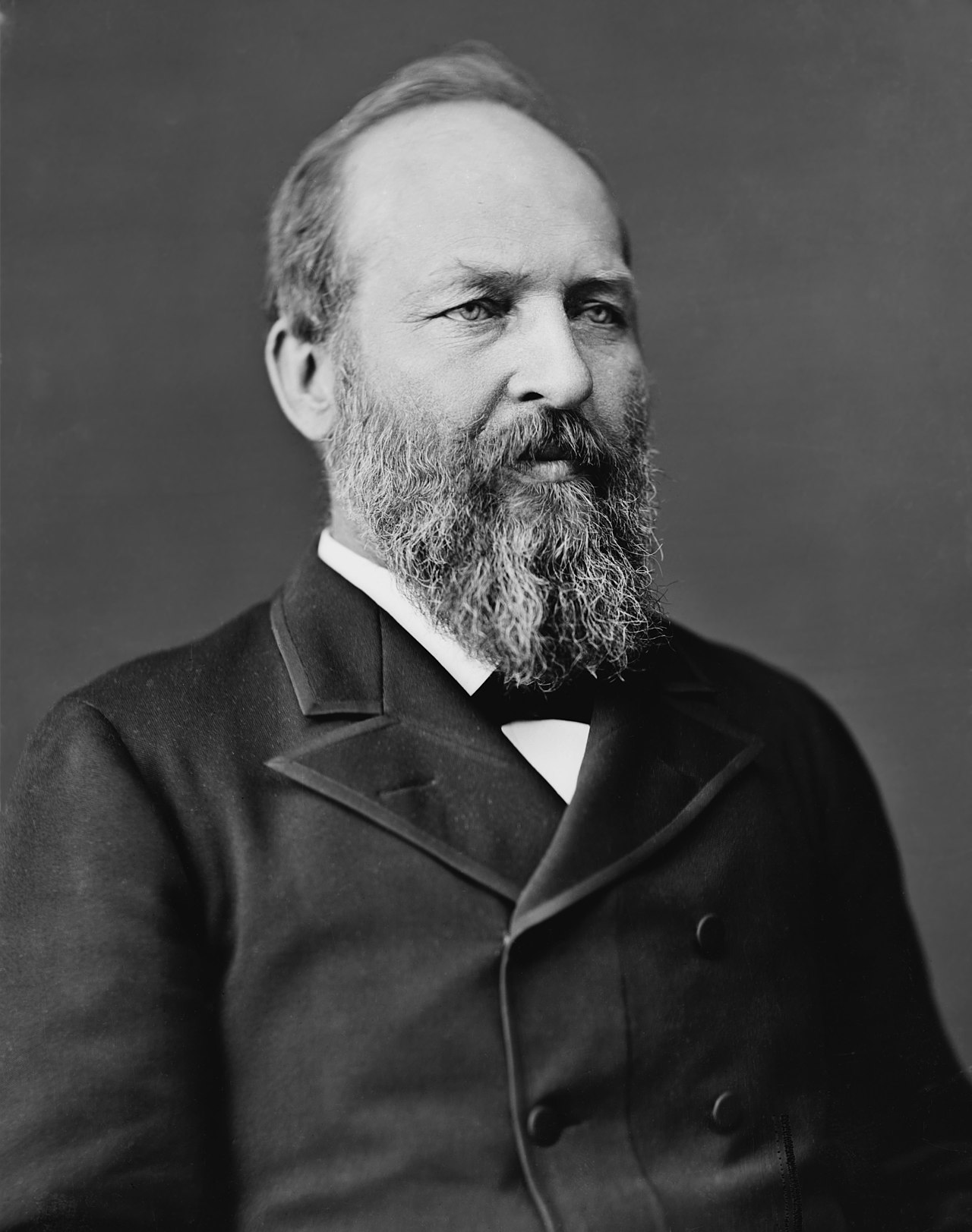
- Political violence and leadership change: The Russian emperor Alexander II was assassinated in 1881, an act that produced immediate political repercussions in the Russian Empire. In the United States, President James A. Garfield was shot in July and died later that year, leading to the succession of his vice president.
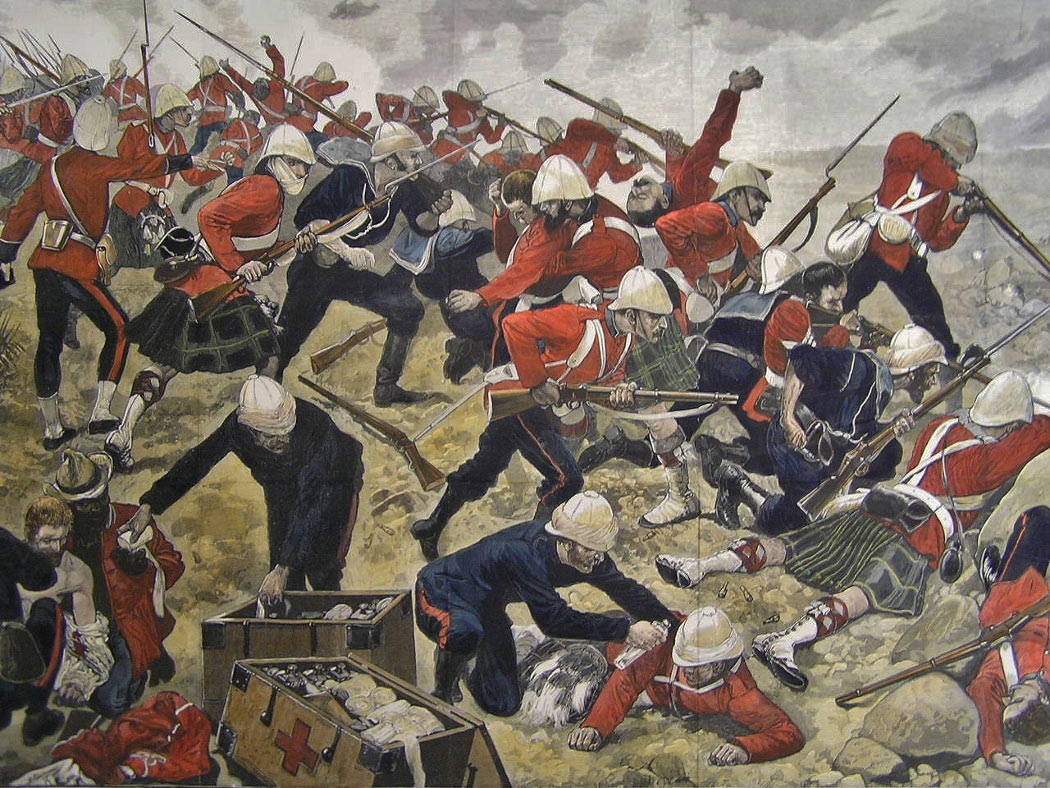
- End of the First Boer War: The conflict between the British Empire and Boer settlers in southern Africa concluded in 1881 with an agreement that restored a measure of self-government to the Transvaal, altering imperial policy in the region.
- American social and educational initiatives: Clara Barton organized what became the American Red Cross in 1881, and Booker T. Washington opened the institution that would become Tuskegee University, reflecting new directions in humanitarian relief and vocational education.
- Popular culture and legend: The Gunfight at the O.K. Corral in the Arizona Territory became one of the most famous episodes of the American frontier, later enshrined in folklore and film.
These events occurred against the broader backdrop of the Second Industrial Revolution: expanding rail and telegraph networks, increasing use of electricity in cities, and intensified commercial ties across continents. Social movements — including labor organization and campaigns for reform — gained traction in many countries as industrial societies adjusted to new economic realities.
Significance and legacy
1881 illustrated the era's contrasts: technological and institutional progress alongside political instability and imperial contest. Assassinations and violent confrontations underscored tensions about reform and authority; meanwhile, foundations established that year signaled emerging commitments to public education and organized humanitarian aid. The political settlements and precedents set in 1881 influenced diplomatic and domestic policies for years to come.
As a single year, 1881 encapsulates patterns that defined the late 19th century: accelerating modernization, contested state power, and the creation of institutions that responded to the social challenges of industrial life.
Related articles
Author
AlegsaOnline.com 1881 — a year of political change, violence, and social initiatives Leandro Alegsa
URL: https://en.alegsaonline.com/art/111851