
1860 — A global snapshot of politics, science, and culture
Overview of the year 1860: major political events, scientific milestones, cultural moments, and the broader context of industrialization and imperial expansion.
The year 1860 stands at a crossroads of 19th‑century change. Industrial growth, imperial competition and political realignments shaped a year whose events accelerated processes leading to national unifications, colonial treaties and social debates. Many developments of 1860 were turning points whose consequences unfolded through the 1860s.
Image gallery
10 Images

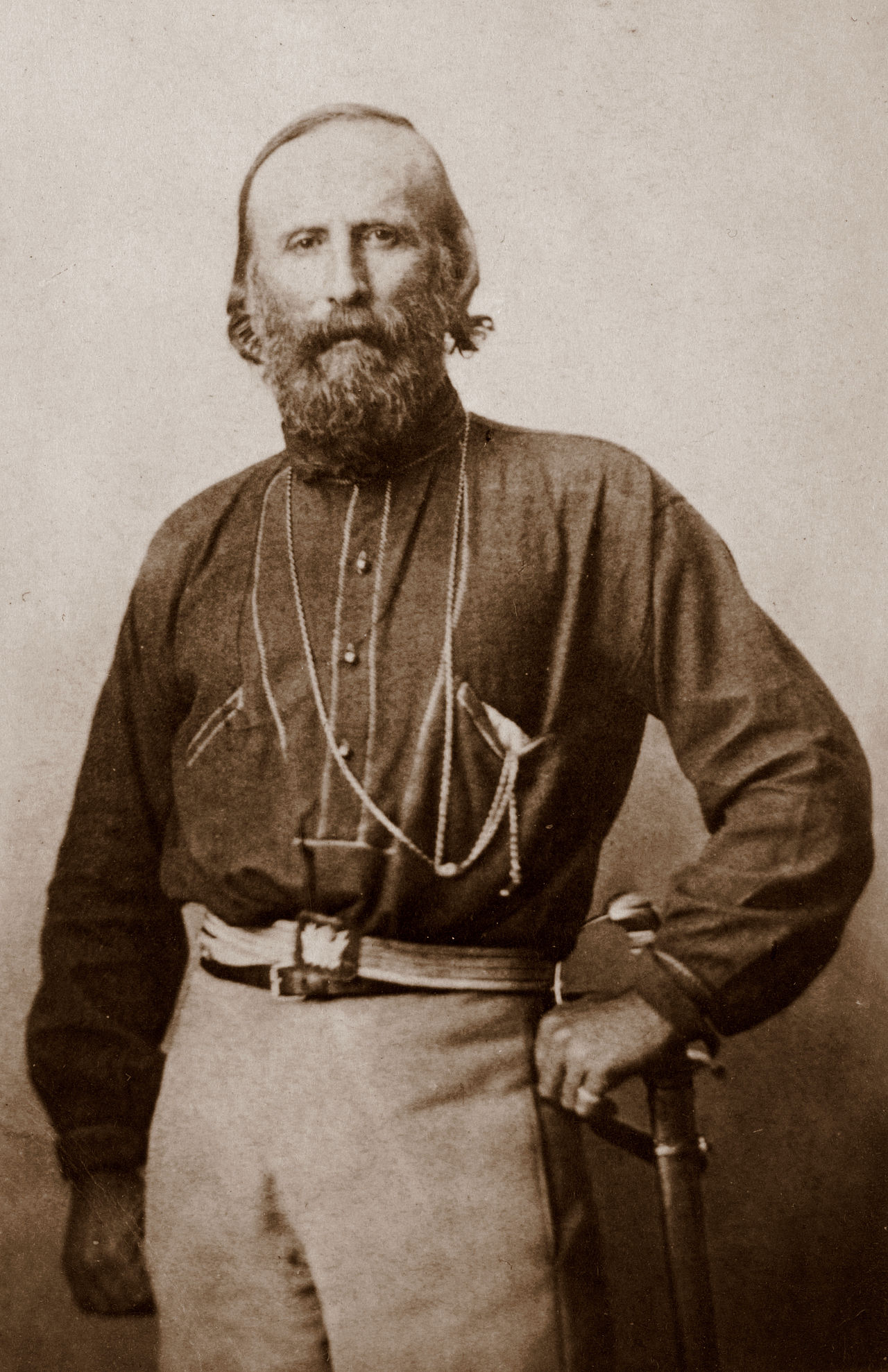


Politics and conflicts
Electoral and military developments made 1860 a tense year. In the United States the presidential election produced a sharp sectional crisis: the victory of Abraham Lincoln, the Republican candidate opposed to extending slavery into new territories, triggered immediate political fallout and the first formal steps toward southern secession. In Italy, Giuseppe Garibaldi led the Expedition of the Thousand, a volunteer campaign that toppled Bourbon rule in much of southern Italy and materially advanced the movement for Italian unification, which culminated in the creation of a united Italian state shortly after.
In East Asia, Anglo‑French military operations during the Second Opium War culminated in the capture of Beijing and diplomatic agreements in 1860 that altered China's relations with European powers. Internally, China continued to be shaken by large rebellions, including the Taiping conflict, which remained a major source of instability.
Science, ideas and institutions
1860 was notable for gatherings and public debates that helped shape modern science. The international meeting of chemists in Karlsruhe addressed inconsistencies in atomic weights and chemical notation and helped professionalize chemistry. The year also featured a famous public exchange over evolution at a meeting in Oxford, where Thomas H. Huxley and Bishop Samuel Wilberforce represented opposing views in a widely reported confrontation; the episode symbolized the cultural impact of Charles Darwin's ideas and the growing public role of scientific debate.
Culture, publishing and the arts
Cultural life reflected the broader energies of the period. Serial publication of novels and the rise of mass‑circulation newspapers created large reading publics and shaped public opinion. Theatre, music and the visual arts responded to expanding urban audiences; developments in photography and print technology increased visual documentation and the reproduction of images, changing how people encountered public events and personalities.
Economy, transport and global connections
Railways, steam shipping and telegraph networks continued to knit continents together, accelerating commerce, migration and the movement of ideas. Industrial production expanded in Western Europe and North America, while demand for raw materials and new markets increasingly tied colonies and peripheries to metropolitan economies. These material links intensified diplomatic rivalry and competition for influence across Asia and Africa.
Notable sequences and legacy
- Political sequences begun or intensified in 1860—national unification movements, colonial treaties and the U.S. sectional crisis—helped determine the course of the 1860s.
- Scientific standardization and public debates in 1860 contributed to the professionalization of modern disciplines and the public role of science.
- The year illustrates how cultural, technological and military developments interlocked to reshape the modern world as networks of communication, transport and empire expanded.
Related articles
Author
AlegsaOnline.com 1860 — A global snapshot of politics, science, and culture Leandro Alegsa
URL: https://en.alegsaonline.com/art/111821