
1601
Year 1601 CE: opening year of the 17th century marked by the Essex rebellion in England, the Elizabethan Poor Law, the Siege of Kinsale in Ireland, and the death of astronomer Tycho Brahe.
Overview
The year 1601 (MDI) is conventionally regarded as the first year of the 17th century. It unfolded during the late Elizabethan era in England and amid the wider political, religious and imperial struggles that defined early modern Europe. Several events of 1601 had lasting legal, military and cultural consequences.
Image gallery
7 Images



Politics and conflict
In England, 1601 saw one of the most dramatic challenges to Queen Elizabeth I’s authority: the Essex Rebellion, led by Robert Devereux, 2nd Earl of Essex. The uprising failed and Essex was arrested and later executed, an episode that underscored factional tensions at court. In Ireland the conflict between Gaelic lords and English rule intensified when Spanish forces intervened; the Siege of Kinsale began in 1601 and continued into 1602, becoming a turning point in the Nine Years’ War.
Law, society and economy
One enduring domestic development was the passage of what is often called the Elizabethan Poor Law (1601). This set of statutes formalized parish responsibility for poor relief and shaped English social policy for centuries by distinguishing between the "deserving" and "undeserving" poor and organizing local taxation to fund relief.
Science, culture and the arts
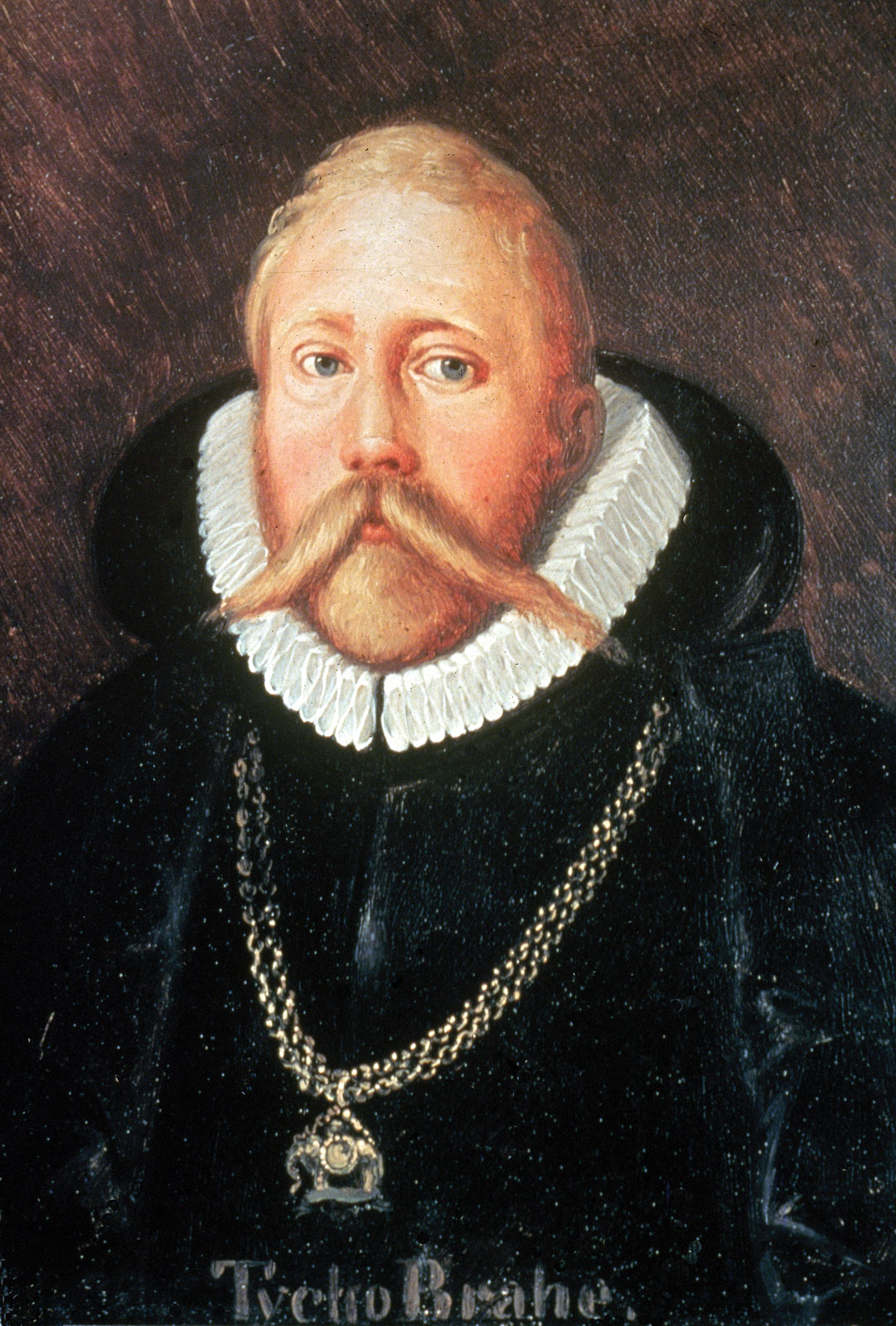
1601 marked an important moment in the history of science with the death of the Danish astronomer Tycho Brahe in Prague; his precise observations would soon be used by Johannes Kepler to develop the laws of planetary motion. In the English theatre, several of William Shakespeare’s major plays are generally assigned to around this time, with works such as Hamlet and Twelfth Night often dated to the turn of the century.
Notable deaths and legacy
- Robert Devereux, 2nd Earl of Essex (executed in 1601) — representative of court factionalism under Elizabeth I.
- Tycho Brahe (d. 1601) — influential astronomer whose data reshaped European astronomy.
Viewed together, the events of 1601 highlight the transitional character of the early 1600s: continuing imperial struggles, evolving state institutions, and scientific and cultural developments that presaged the shifts of the coming decades.
Related articles
Author
AlegsaOnline.com 1601 Leandro Alegsa
URL: https://en.alegsaonline.com/art/111536