
1752
Year 1752 is best known for a major calendar reform in Great Britain and its colonies, when 11 days were omitted and the start of the legal year moved to January 1; it illustrates the wider Gregorian calendar adoption.
1752 is remembered chiefly for a decisive change in how many English-speaking jurisdictions measured dates. Although it was an otherwise ordinary mid-18th-century year across Europe and the Americas, its lasting significance lies in the legal and social adjustments that followed the move from the Julian to the Gregorian calendar.
Image gallery
10 Images



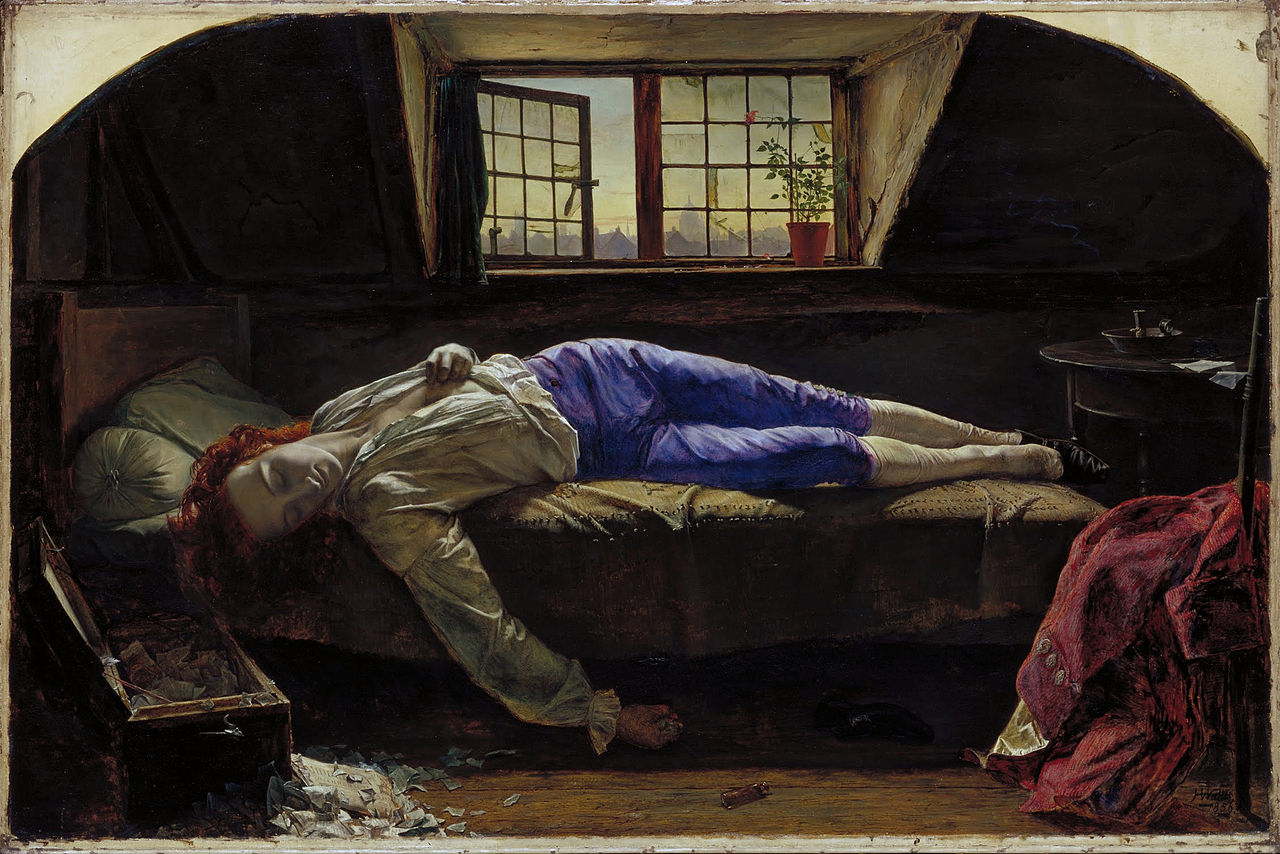


Calendar reform and the British changeover
By 1752 the Julian calendar used in Britain and its American colonies had drifted against the solar year. Under the Calendar (New Style) Act passed by the British Parliament, the country synchronized with the Gregorian calendar already in use in many Catholic and some Protestant countries. To make the correction, eleven days were omitted from September 1752: 2 September 1752 was followed by 14 September 1752. The law also established 1 January as the start of the legal year, replacing the old convention that had used 25 March as New Year’s Day in many legal documents.
Why days were removed
The Gregorian reform, introduced in 1582 by Pope Gregory XIII, fixed a growing seasonal drift by changing the leap-year rule: century years would be leap years only if divisible by 400. Countries that did not adopt that reform continued to accumulate extra leap days. By 1752 the difference between the two calendars had grown to eleven days, so synchronizing required omitting those days to realign civil dates with astronomical seasons.
Practical effects and public response
The adjustment affected rents, legal deadlines, and public records; accountants, courts and parish registrars had to revise practice. Contemporary accounts mention popular unease and myths about people demanding their "eleven days," though the scale and character of any unrest are debated by historians. The reform introduced the now-common distinction in historical documents between Old Style (O.S.) and New Style (N.S.) dates when comparing records from different calendar systems.
International context and legacy
- Many Catholic countries adopted the Gregorian calendar in 1582; Protestant nations changed later.
- Sweden completed its transition in 1753 after a complicated interim period; Russia adopted the Gregorian calendar only in 1918; Greece followed in 1923.
1752 therefore marks an important moment in standardizing civil timekeeping across much of the English-speaking world. The calendar rules established by the Gregorian reform remain the international civil standard today, and the events of 1752 illustrate the legal, fiscal and cultural complications that accompany large-scale calendar change.
Related articles
Author
AlegsaOnline.com 1752 Leandro Alegsa
URL: https://en.alegsaonline.com/art/111693