
1744
Year 1744: a leap year marked by naval battles, the North American opening of King George's War, stalled Jacobite plans, and cultural and intellectual currents in mid-18th-century Europe.
Overview
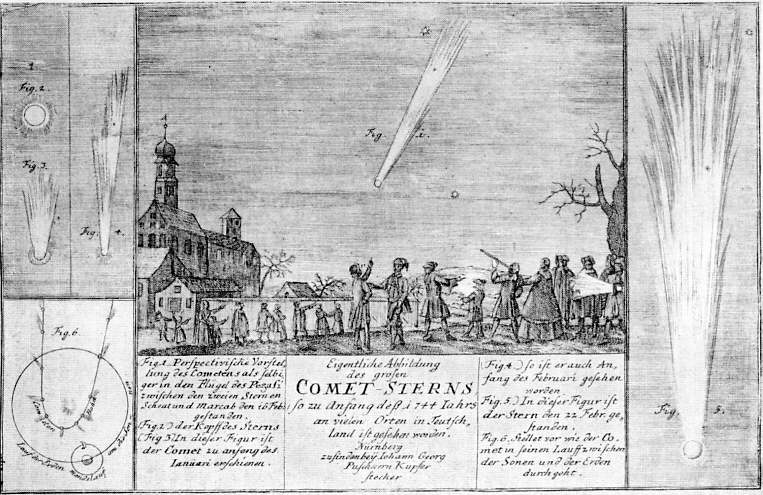
1744 was a leap year in the mid-18th century set against the wider conflict of the War of the Austrian Succession (1740–1748). It saw military and naval operations in Europe and the Atlantic world, political maneuvering among the great powers, and continuing cultural and intellectual activity associated with the Enlightenment. Because Britain and its dominions still used the Julian calendar and an Old Style new year (until 1752), some contemporary British sources record dates differently from continental European records.
Image gallery
6 Images

Major events and conflicts
- War of the Austrian Succession — The struggle for territory and influence across Europe continued in 1744, involving Austria, France, Great Britain, Prussia, and other states.
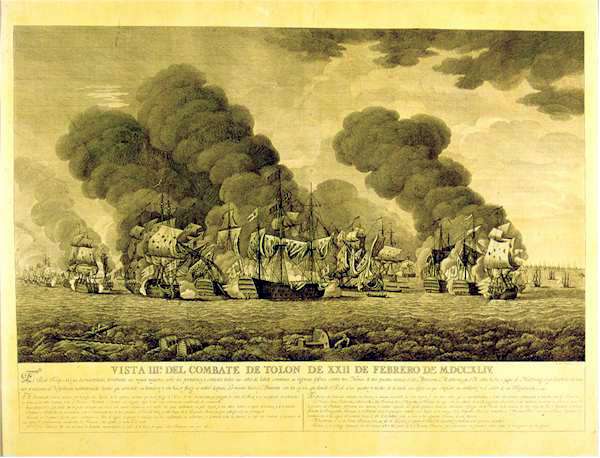
- Naval action off Toulon — In February 1744 a naval engagement between British and combined Franco-Spanish forces off the French Mediterranean coast produced a controversial outcome; the British admiral's conduct was later the subject of official inquiry.
- King George's War begins in North America — The North American theater of the European war intensified in 1744 as colonial rivalries produced raids and captures along the frontiers between British and French colonies.
- Failed French support for the Jacobites — Plans for a French-assisted invasion to restore the Stuart claim in Britain were attempted but frustrated by storms and logistical problems, postponing larger Jacobite action until the following year.
Culture, science, and society
The mid-18th century remained a period of active exchange in science, philosophy, and the arts. Intellectual debates of the Enlightenment circulated widely in salons and print. Musical and theatrical life continued in European capitals, while advances in navigation and natural history underpinned exploration and colonial expansion.
Notable births and legacy
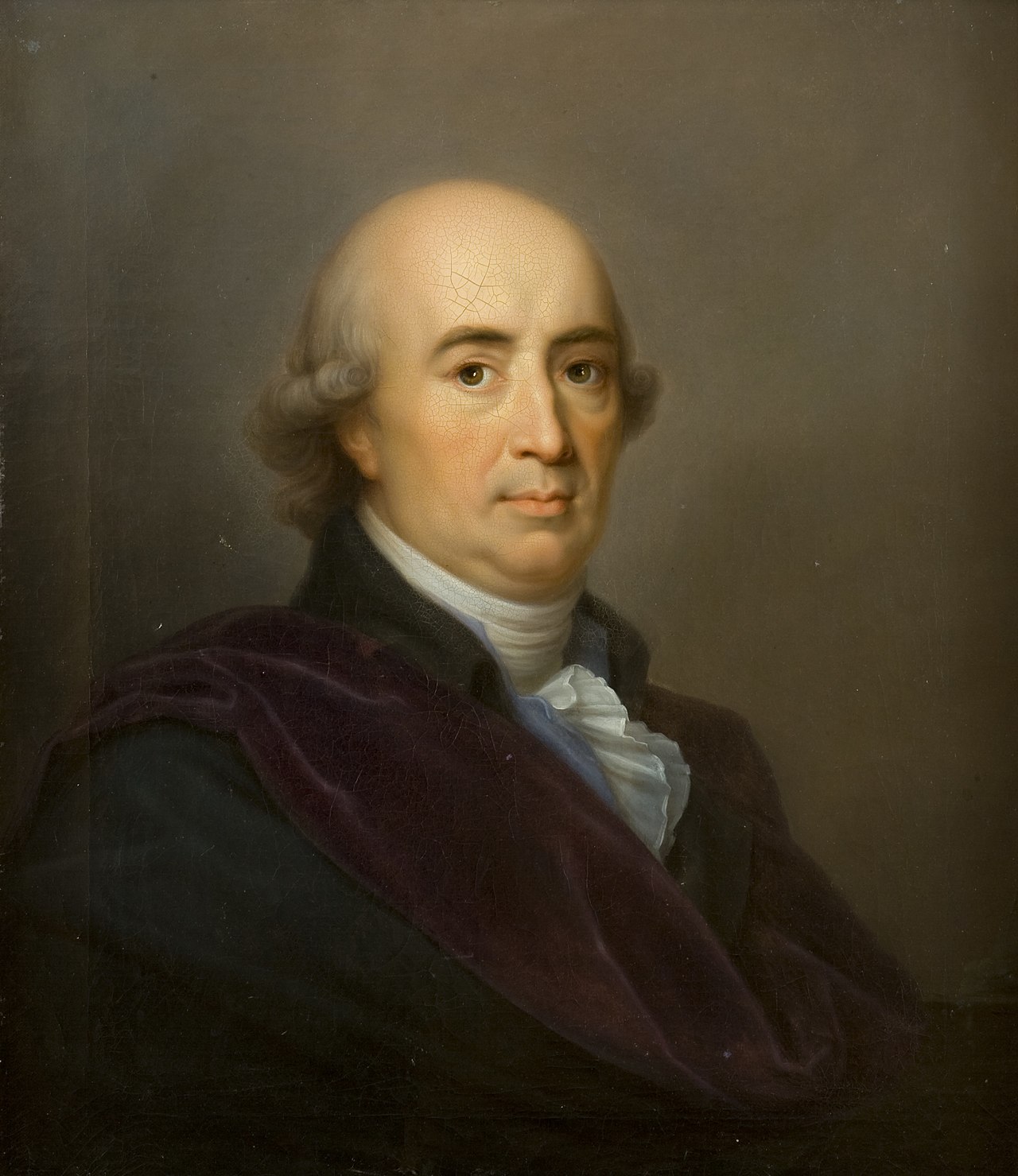
- Johann Gottfried Herder (born 1744) — German philosopher, theologian and literary critic associated with ideas about cultural nationalism and the philosophy of history.
1744 is remembered less for a single transformative event than as a year within a turbulent decade when European wars shaped colonial frontiers and when intellectual currents that later influenced politics and culture were taking clearer form. The year illustrates how local weather, naval power and international diplomacy could determine the course of military plans and political fortunes in the 18th century.
Related articles
Author
AlegsaOnline.com 1744 Leandro Alegsa
URL: https://en.alegsaonline.com/art/111683