
1746 — Year in world history
1746 saw the decisive defeat of the Jacobite rising at Culloden, a major earthquake that devastated Lima and Callao, and continued global conflict amid Enlightenment-era change and colonial rivalry.
1746 was a year in which military conflict, colonial vulnerability and state-building intersected with wider intellectual and economic shifts of the mid-18th century. The year is best remembered for the crushing of the Jacobite challenge in Britain and for a catastrophic earthquake on the Pacific coast of Spanish America, events that had immediate human cost and longer-term political and social effects.
Image gallery
5 Images


Major events
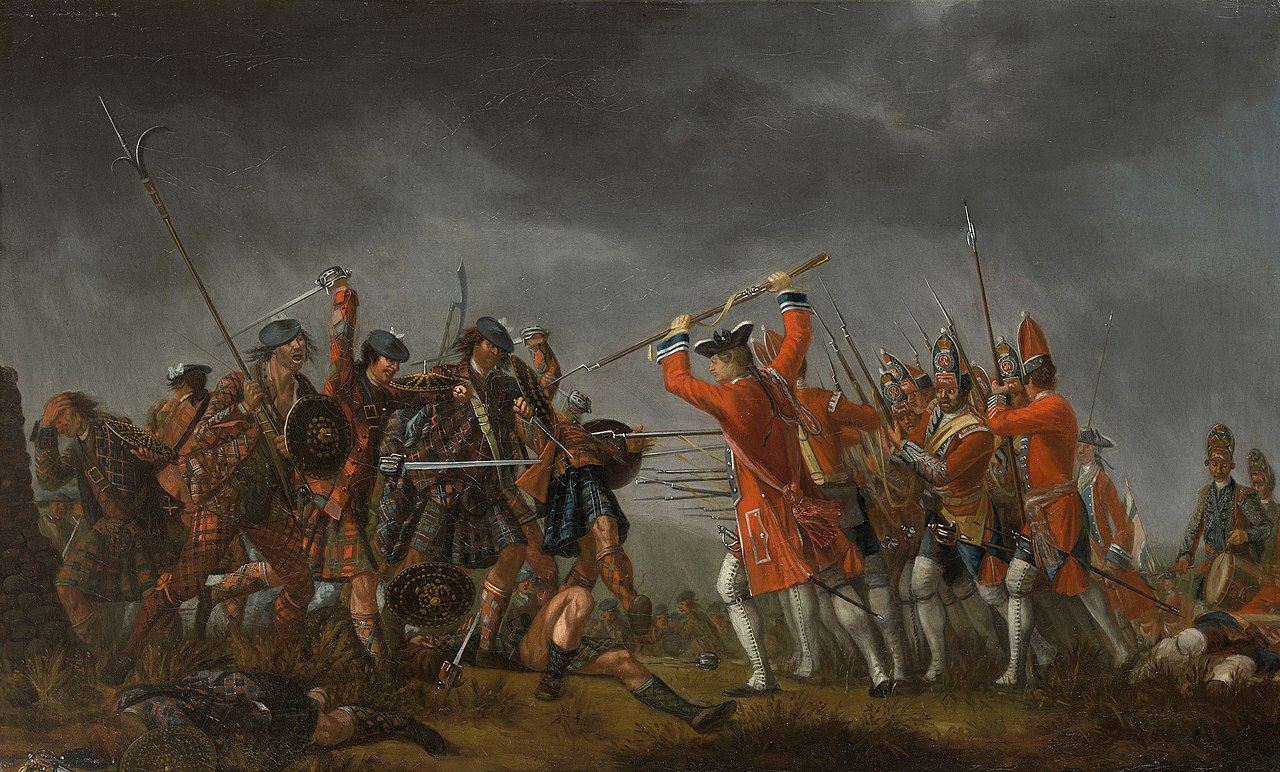
- Jacobite Rising and Culloden: The campaign led by Charles Edward Stuart reached its end when government forces under the Duke of Cumberland routed the Jacobite army at the Battle of Culloden on 16 April. The defeat followed earlier fighting, including a Jacobite victory at Falkirk Muir, and marked the collapse of the 1745–46 rising.
- Lima–Callao earthquake: In late October a powerful earthquake struck the central Peruvian coast, producing severe damage in the viceroyal capital of Lima and destroying the main Pacific port, Callao. The shocks and ensuing tsunami caused great loss of life, damaged churches and public buildings, and interrupted colonial commerce and administration.
- Global wars and colonial competition: 1746 fell within the War of the Austrian Succession (1740–1748), a conflict that extended beyond Europe into colonial theaters. In India and elsewhere European rivals contested trading posts and territories, reflecting the growing importance of overseas empire and maritime trade.
Aftermath and legislation
The British government's response to Culloden combined military repression with legal reforms intended to dismantle the clan system and integrate the Highlands into centralized authority. Measures passed in the months and years after the battle curtailed customary jurisdictions of clan chiefs, restricted the bearing of arms and traditional Highland dress, and led to prosecutions, executions and deportations of captured rebels. These steps accelerated social and economic change in Scotland over subsequent decades.
Colonial consequences and reconstruction
In Spanish America the Lima–Callao disaster prompted immediate relief and rebuilding efforts by colonial authorities, along with debates about urban planning and fortification of ports. Damage to infrastructure and to religious and administrative buildings required resources and labor for reconstruction, and the shock exposed the fragility of coastal cities dependent on maritime links for commerce and communication.
Intellectual and economic background
1746 occurred in the wider context of the Enlightenment, when scientific inquiry, political debate and expanding print networks influenced elites and emerging public opinion. Economically, parts of Britain, the Low Countries and other regions were experiencing proto-industrial growth, including developments in textile manufacture and improvements in transport, trends that would contribute to broader economic transformation later in the century.
Legacy
The events of 1746 illustrate how military defeat, natural catastrophe and imperial rivalry could produce both immediate suffering and long-term change. The suppression of the Jacobite cause reshaped British governance and society in Scotland, while the Lima–Callao earthquake highlighted environmental risks faced by colonial port cities. Together these episodes reflect mid-18th-century processes of state consolidation, colonial administration and the uneven effects of modernization across regions.
Related articles
Author
AlegsaOnline.com 1746 — Year in world history Leandro Alegsa
URL: https://en.alegsaonline.com/art/111685