
1742
Chronicle of the year 1742: key political events, scientific advances, cultural milestones and notable figures that shaped mid-18th-century Europe and its overseas realms.
Overview
The year 1742 fell within a turbulent period of mid-18th-century Europe marked by dynastic wars, colonial competition and cultural activity. Conflicts begun earlier in the decade continued to redraw borders and influence diplomatic alignments, while advances in science and the arts produced works that endured well beyond the century.
Image gallery
7 Images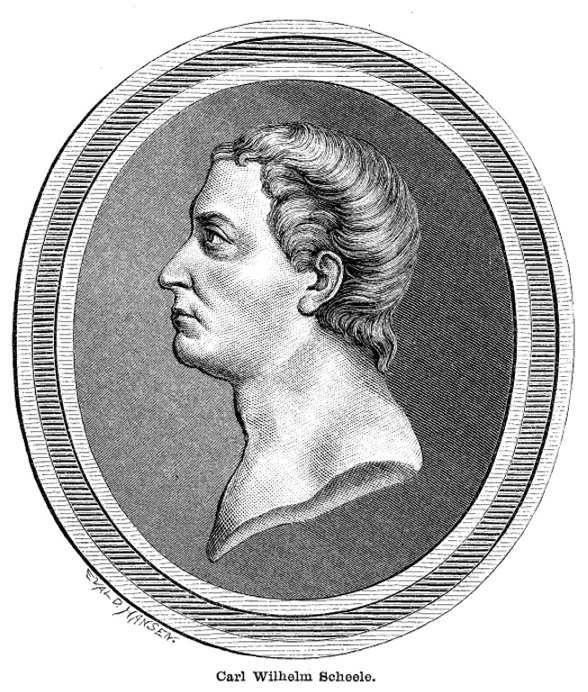


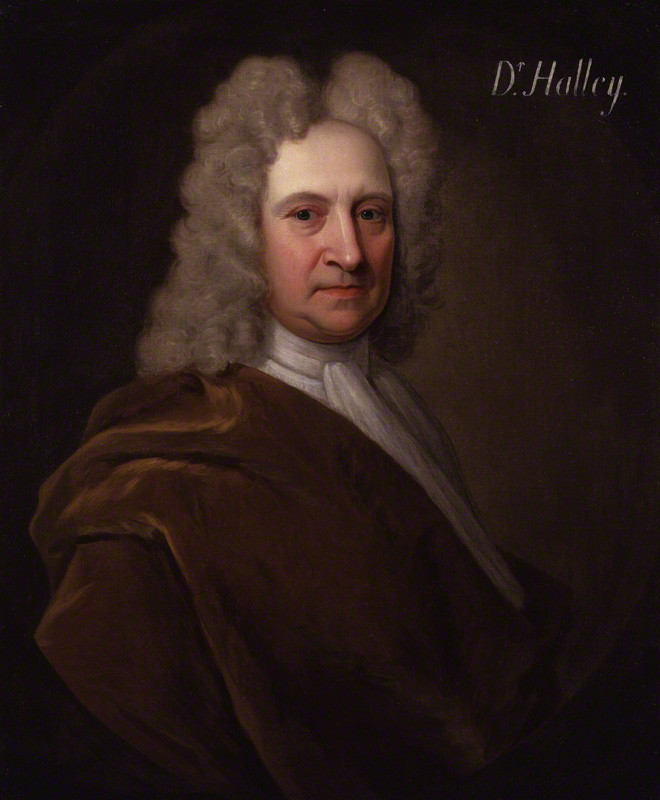

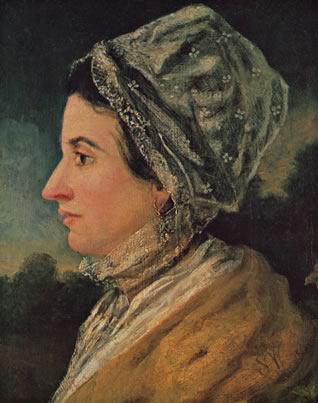
Politics and warfare
1742 saw important developments in the broader War of the Austrian Succession and its associated campaigns. Diplomatic agreements and battlefield outcomes that year substantially altered control of key territories in central Europe and reflected rising Prussian power. In Britain the long tenure of Sir Robert Walpole, often regarded as the first de facto prime minister, came to an end amid parliamentary pressure and changing political fortunes.
- Negotiated settlements in mid-1742 reduced active campaigning in Silesia and reshaped Austro‑Prussian relations.
- Shifts in British politics signalled a reconfiguration of ministerial authority and party influence at home and in colonial policy abroad.
Science and technology
Scientific inquiry continued to make pragmatic and conceptual strides. Swedish astronomer Anders Celsius proposed a centigrade temperature scale that year, an innovation that would be refined and widely adopted in later decades. The scientific community also marked the passing of veteran figures whose earlier work had laid foundations for observational astronomy and navigation.
Arts and culture
1742 was notable in music and public performance. One of the most enduring works of the Baroque repertoire had its first presentation in 1742: George Frideric Handel’s oratorio Messiah premiered to enthusiastic reception and quickly became a defining piece of English musical life. Theatre, salon culture and print continued to circulate ideas across social strata, feeding both popular entertainments and more serious intellectual debate.
Notable people
Among the prominent figures associated with 1742 were leading statesmen, scientists and artists. The year witnessed the death of established scholars whose discoveries had influenced navigation and astronomy. At the same time, a new generation of political and cultural actors was coming to adulthood in a world shaped by recent wars and imperial ambitions.
Legacy and significance
The events and innovations of 1742 contributed to mid-century transformations: the consolidation of Prussian influence in central Europe, transitions in British governance, the institutionalization of scientific standards such as temperature measurement, and the creation of musical works that would remain central to Western culture. Viewed together, these developments illustrate how military, political and intellectual changes reinforced one another during the period.
Related articles
Author
AlegsaOnline.com 1742 Leandro Alegsa
URL: https://en.alegsaonline.com/art/111681