
1724
1724 was a leap year beginning on Saturday in the Gregorian calendar. This article summarizes its calendar status, global context, cultural highlights, and why dating conventions from the year matter to historians.
Overview
The year 1724 falls in the early 18th century, a period often associated with the Age of Enlightenment, expanding global trade networks and active imperial competition. In calendrical terms it is recorded as a leap year starting on Saturday according to the Gregorian calendar. That simple fact affects the weekday assignment for historic dates and is relevant when comparing records produced under different calendrical systems.
Image gallery
7 Images



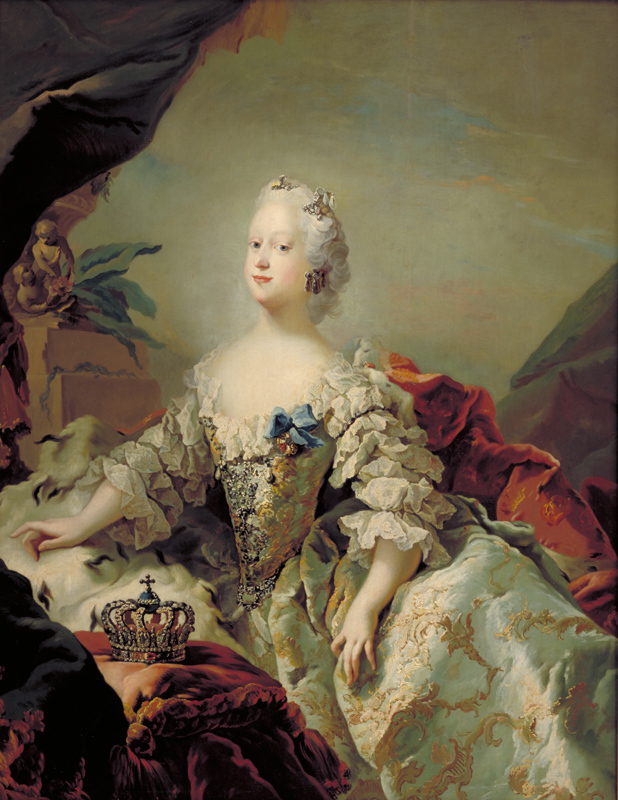
Calendar and dating
1724 met the Gregorian rule for leap years (divisible by 4 and not excluded by the century rule). Many parts of western and central Europe used the Gregorian reckoning, while other countries—most notably Great Britain and its colonies—continued to use the Julian calendar for several more decades. Because the two calendars ran out of sync, the same nominal date in different places can correspond to different days of the week or even different calendar days, a frequent complication for historians and genealogists.
Political and global context
Politically, 1724 was a year of routine administration rather than wholesale upheaval in most of the great powers. Dynastic states in Europe, imperial authorities in Asia, and colonial governments in North America and elsewhere managed trade, taxation and local disputes. The early 1720s were marked broadly by consolidation after wars of the preceding decades and by the steady spread of mercantile and colonial networks.
Culture, science and society
Culturally, the early 1720s witnessed significant musical and intellectual activity. One notable musical milestone commonly dated to 1724 is the first performance of Johann Sebastian Bach's St John Passion in Leipzig, an important work in the Baroque sacred repertoire. Scientists and philosophers of the era continued to build on work from the late 17th century; institutions such as academies and learned societies circulated discoveries and debate across Europe.
Notable points and lasting significance
- Calendar practice: the year illustrates why scholars must note which calendar was in use when interpreting primary documents.
- Cultural output: major compositions and published works of the period contribute to the artistic legacy of the early 18th century.
- Global connections: 1724 sits within the long process of imperial expansion, trade growth and cultural exchange whose consequences shaped later centuries.
For readers tracing specific events, births or deaths recorded in 1724, consulting contemporary chronicles, government registries and church records—carefully noting the calendar used—will yield the most reliable results. Broadly, 1724 is best understood as part of a transitional era: neither dramatically revolutionary nor utterly static, it reflects gradual political, economic and intellectual shifts underway across the world.
Related articles
Author
AlegsaOnline.com 1724 Leandro Alegsa
URL: https://en.alegsaonline.com/art/111667