
1730
1730, a year in the early 18th century during the Age of Enlightenment and expanding European empires, marked by Baroque culture, growing Atlantic trade, and continuing diplomatic and social change.
Overview
The year 1730 marks a point within the early 18th century, a period shaped by intellectual ferment, imperial competition and social change across much of the globe. It sits within what historians commonly call the Age of Enlightenment and the era of expanding European overseas empires. Political institutions, commercial networks and cultural practices that had developed in earlier decades continued to evolve rather than change abruptly.
Image gallery
3 Images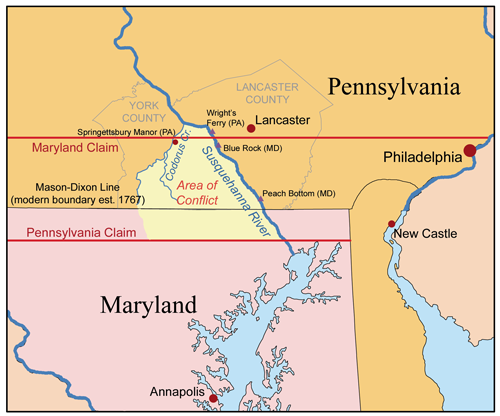


Global context
Major states in Europe, Asia and the Americas managed diplomatic rivalries, frontier pressures and internal administration. In Europe, monarchies and emerging parliamentary systems balanced fiscal demands, military commitments and court culture. In Asia, large empires administered diverse populations and trade connections. Across the Atlantic and Indian Oceans, long-distance commerce connected diverse regions and peoples through goods, capital and human movement.
Politics and society
Political life in 1730 reflected a mix of centralizing tendencies and local autonomy. Rulers sought revenue and military strength to secure borders and commercial interests, while elites and emerging publics negotiated influence in courts and towns. Social hierarchies remained important, but urbanization, print culture and economic change fostered new social networks and public spaces where opinion could be exchanged.
Economy and trade
Long-distance trade dominated the economic imagination of the era. Atlantic economies were integrated through commodity flows such as sugar, tobacco and other staples, driven by plantation agriculture and complex credit arrangements. Merchant networks extended into the Indian Ocean, and financial instruments, credit practices and state fiscal policies adapted to support trade and military expenditure.
Culture, science and ideas
Culturally, the ornate late Baroque aesthetic remained visible in music, architecture and the visual arts, while intellectual life advanced through salons, coffeehouses and learned societies. Scientific inquiry and the dissemination of printed works broadened participation in debates about natural philosophy, politics and religion. These overlapping cultural and intellectual currents contributed to changing mentalities about authority, reason and social order.
Colonial societies and indigenous peoples
Colonial regions were characterized by economic exploitation and cultural encounters. Indigenous polities responded to colonization with a range of strategies including accommodation, negotiation and resistance. Enslaved peoples and coerced labor systems underpinned much of the plantation economies, shaping demographic patterns and social hierarchies in colonial societies.
Technology and everyday life
Everyday technologies—workshop practices, navigation techniques and household tools—continued gradual improvement. Although industrialization in the modern sense had not yet fully emerged, artisanship, proto-industrial production and improvements in transport and communications laid foundations for later economic transformations.
Legacy and interpretation
As with any single year, 1730 is best understood within longer-term processes. It contributes to narratives about the rise of modern state systems, the expansion of global commerce and the circulation of ideas that would influence later political and social revolutions. Historians use years like 1730 to trace continuities and changes across politics, culture and economy rather than to isolate dramatic singular events.
Notable themes
- State formation: fiscal pressures and military organization shaped governance.
- Global trade: commodity circuits and credit networks connected continents.
- Intellectual exchange: print and societies spread new arguments in science and politics.
- Cultural life: Baroque aesthetics and emerging public cultures coexisted and influenced daily life.
Related articles
Author
AlegsaOnline.com 1730 Leandro Alegsa
URL: https://en.alegsaonline.com/art/111672