
1734 — a year in the early Enlightenment and global rivalries
Survey of 1734 within the Enlightenment era: dynastic wars, imperial competition, cultural and scientific life, colonial trade networks, and social change across Europe, Asia and the Americas.
Overview
The year 1734 sits within the early Enlightenment and an era of intensified global competition. Political power in Europe remained concentrated in dynastic monarchies whose rivalries extended overseas. Intellectual life was animated by expanding print culture, learned societies and salon debates. At the same time imperial commerce and colonial administration tied Europe more closely to Asia, Africa and the Americas.
Image gallery
3 Images

Politics, diplomacy and war
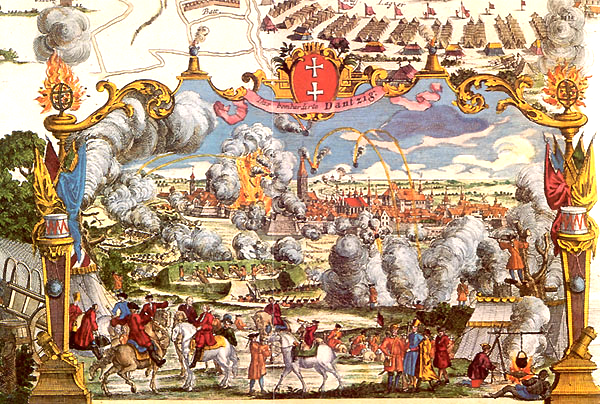
Dynastic conflicts and balance-of-power diplomacy shaped international relations. The War of the Polish Succession, a major contest of influence in Central and Southern Europe, continued to involve French, Spanish and Austrian forces, producing campaigns and sieges across the Italian peninsula and along contested frontiers. Meanwhile established empires — including the Qing dynasty in China, the Ottoman Porte, and the Mughal realm in South Asia — faced internal governance challenges and regional rivalries, while rising European colonial states projected power overseas.
Culture, ideas and science
Art and taste showed a shift from the grandeur of late Baroque toward the lighter, ornate Rococo in painting, interior design and architecture. Music remained dominated by Baroque composition, though composers across Europe were experimenting with forms that would later inform Classical styles. Philosophers and public intellectuals engaged a wider reading public through essays, periodicals and theatrical works; salons and coffeehouses were important sites of discussion. Scientific societies and academies continued to circulate Newtonian and experimental ideas through correspondence, demonstrations and publications.
Colonies, trade and global connections
European trading companies maintained and expanded networks across the Atlantic and Indian Oceans. The British and Dutch commercial enterprises, among others, sought footholds in South and Southeast Asia, negotiating with local states and competing for control of lucrative routes. Transatlantic trade linked Europe, Africa and the Americas; the Atlantic slave trade and plantation economies remained central to colonial wealth and social structures in the Caribbean and the Americas.
Society and everyday life
Rising literacy and a growing print market increased the availability of newspapers, pamphlets and books for urban readers. Coffeehouses, salons and clubs fostered public debate and the exchange of news and ideas. Urban commercial growth encouraged new patterns of consumption among elites and an emerging middle class, while the majority of the population continued to live by agrarian rhythms and local customs. Social hierarchies and customary authorities remained decisive in most rural regions.
Notable trends and legacy
Although 1734 is a single year, it sits within longer processes: the institutional consolidation of Enlightenment discourse, the intensification of global commerce and imperial rivalries, and artistic and scientific developments that would influence later political and economic transformations. These trends set the scene for mid- and late-18th century revolutions in politics, industry and thought.
- Contextual highlights: ongoing dynastic wars in Europe; expansion of colonial and commercial networks; active intellectual exchange across borders.
- Regional notes: established monarchies in Europe; Qing administration in China; European trading companies active in Asia; continuing Atlantic slave trade.
Related articles
Author
AlegsaOnline.com 1734 — a year in the early Enlightenment and global rivalries Leandro Alegsa
URL: https://en.alegsaonline.com/art/111674