
1680 — calendar year and historical overview
1680 was a leap year in the Gregorian calendar. This article summarizes its calendar characteristics, notable events such as the Pueblo Revolt and the Great Comet, and its place in 17th-century history.
Overview
The year 1680 was a leap year in the Gregorian calendar. In that system it began on a Monday; readers can follow this detail via the calendar reference leap year rules and weekday alignment noted in contemporary chronology calendar start weekday. The Gregorian calendar, introduced in 1582, was in use in many Catholic countries by 1680 while other states continued to use the older Julian calendar; see a general explanation of the system at Gregorian calendar.
Image gallery
7 Images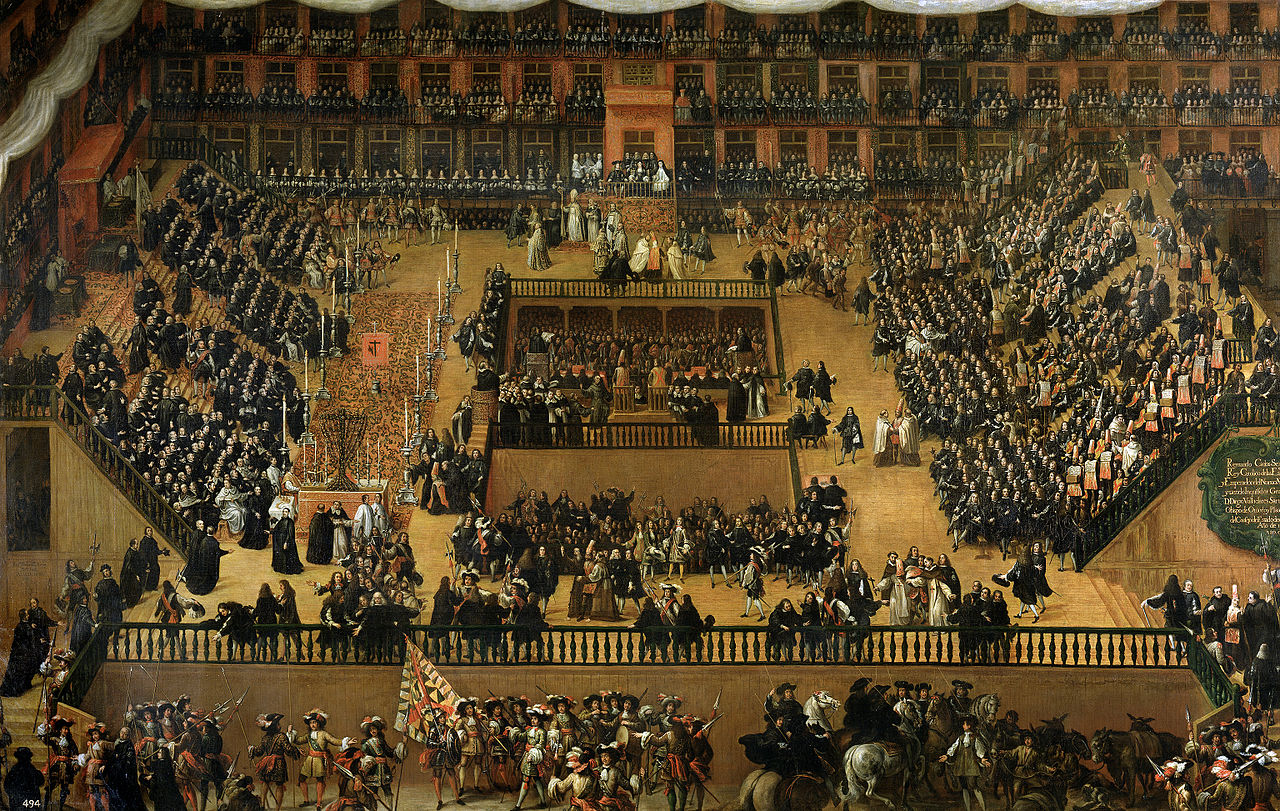


Calendar characteristics
Under Gregorian rules a year divisible by 4 is normally a leap year, except century years not divisible by 400. 1680 meets the leap-year rule and therefore included an extra day in February. Because calendar adoption varied across regions, the same nominal date could be recorded differently in different places, which complicates comparisons of documents and events from the period.
Notable events
The year saw several events of lasting historical interest. In the southwestern part of North America, the Pueblo Revolt (often called Popé's Rebellion) culminated in 1680 when Pueblo peoples rose against Spanish colonial rule and temporarily expelled Spanish authorities from parts of what is now New Mexico. In astronomy, observers reported a bright comet in late 1680, commonly known as the Great Comet of 1680; it drew attention across Europe and prompted observational studies that contributed to early modern astronomy.
Context and significance
1680 sits within the late 17th century, an era shaped by colonial expansion, religious and political conflicts in Europe, and rapid developments in science and exploration. Events from this year illustrate contacts and clashes between indigenous societies and European colonizers in the Americas, and contemporary scientific interest in celestial phenomena.
Further notes
- When consulting primary sources from 1680, check whether dates follow the Gregorian or Julian calendar, as this affects cross‑dating.
- Regional timelines differ: what was momentous in one territory may be little noted elsewhere, reflecting the fragmented political landscape of the period.
Related articles
Author
AlegsaOnline.com 1680 — calendar year and historical overview Leandro Alegsa
URL: https://en.alegsaonline.com/art/111616