
1687 (year)
An overview of the year 1687, its calendar placement, major events—especially scientific and military episodes—and its place in 17th‑century history.
Overview
1687 was a common year in the Gregorian calendar, beginning on a Wednesday. It falls in the late 17th century, a period marked by ongoing military conflicts in Europe and by rapid advances in natural philosophy and mathematics. Dates and the start day of the year may differ in sources that use the Julian calendar; the link below gives one conventional calendar view.
Image gallery
10 Images


Calendar and chronology
In modern chronological summaries 1687 is treated as a common year (not a leap year). Histories that rely on the Gregorian system place its opening weekday as shown above, while contemporary records in some countries still followed the older Julian reckoning. For reference, see a standard calendar table: year 1687.
Notable events
- Scientific publication: One of the most influential works of the century, Isaac Newton's Philosophiae Naturalis Principia Mathematica (usually known as the Principia), appeared in 1687. It introduced Newton's laws of motion and the law of universal gravitation, reshaping mechanics and astronomy and establishing a foundation for classical physics.
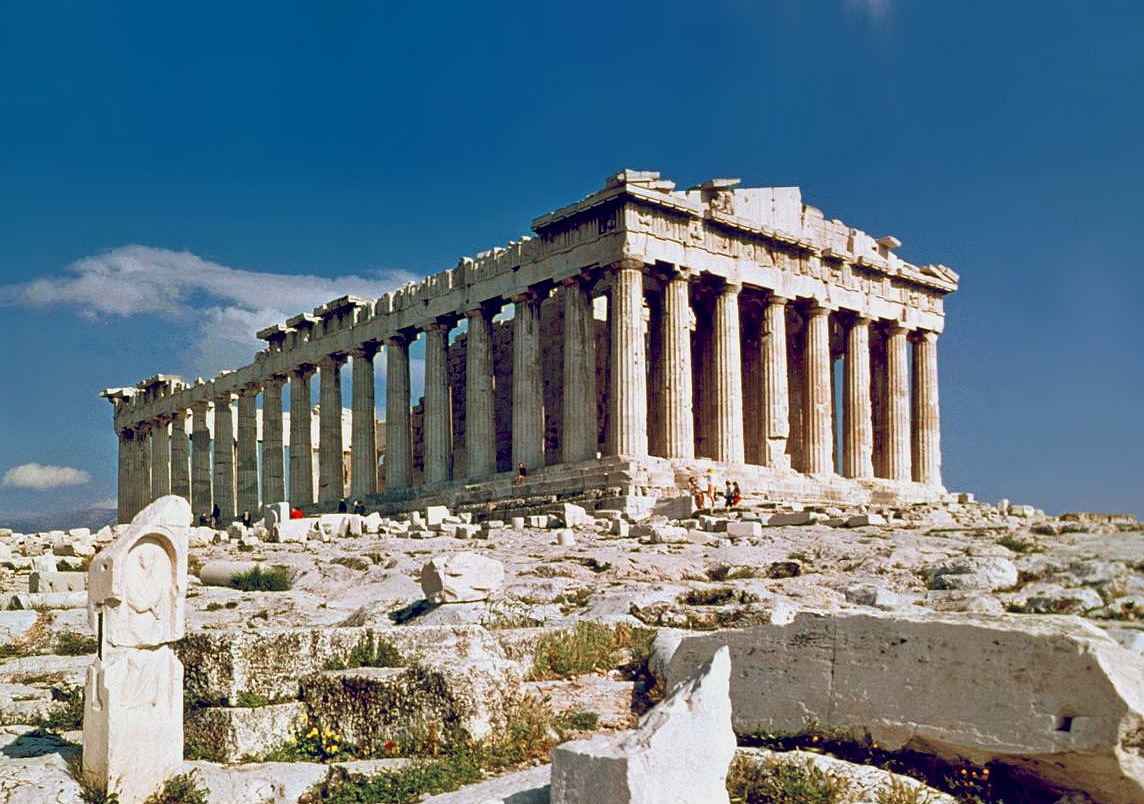
- Destruction at the Acropolis: During hostilities between Venice and the Ottoman Empire (the Morean War, part of the wider Great Turkish War), the Parthenon on the Acropolis of Athens was severely damaged when stored gunpowder detonated after bombardment. The event is often cited as a turning point in the monument's preservation history.
- Wider context: Throughout 1687, European states continued colonial and military activities overseas and at home, while intellectual networks and learned societies carried scientific correspondence across borders.
Scientific and cultural significance
The appearance of Newton's Principia in 1687 is commonly regarded as a watershed moment in the Scientific Revolution. Its mathematical treatment of motion and gravity provided tools and language that influenced subsequent generations of scientists, engineers, and philosophers. The book was produced with the help and encouragement of contemporaries who supported the new mechanical explanation of natural phenomena.
Legacy and historical notes
Events of 1687 are remembered both for their immediate political effects and for long-term cultural consequences. The damage to the Parthenon altered the physical record of classical architecture, while Newton's work established paradigms that dominated scientific thought for centuries. When consulting primary sources, researchers take care to note which calendar system those sources used; this article follows the Gregorian convention cited above.
Related articles
Author
AlegsaOnline.com 1687 (year) Leandro Alegsa
URL: https://en.alegsaonline.com/art/111623