
1683 (year)
An overview of the year 1683 in the Gregorian calendar, its calendar characteristics, major events such as the Siege of Vienna, and its political, cultural, and historical significance.
Overview
1683 was a year in the 17th century recorded as a common year that began on a Friday under the Gregorian calendar. It sits amid the later phase of the European early modern period, a time shaped by dynastic rivalry, expanding colonial empires, and continuing scientific and cultural change.
Image gallery
10 Images






Major events
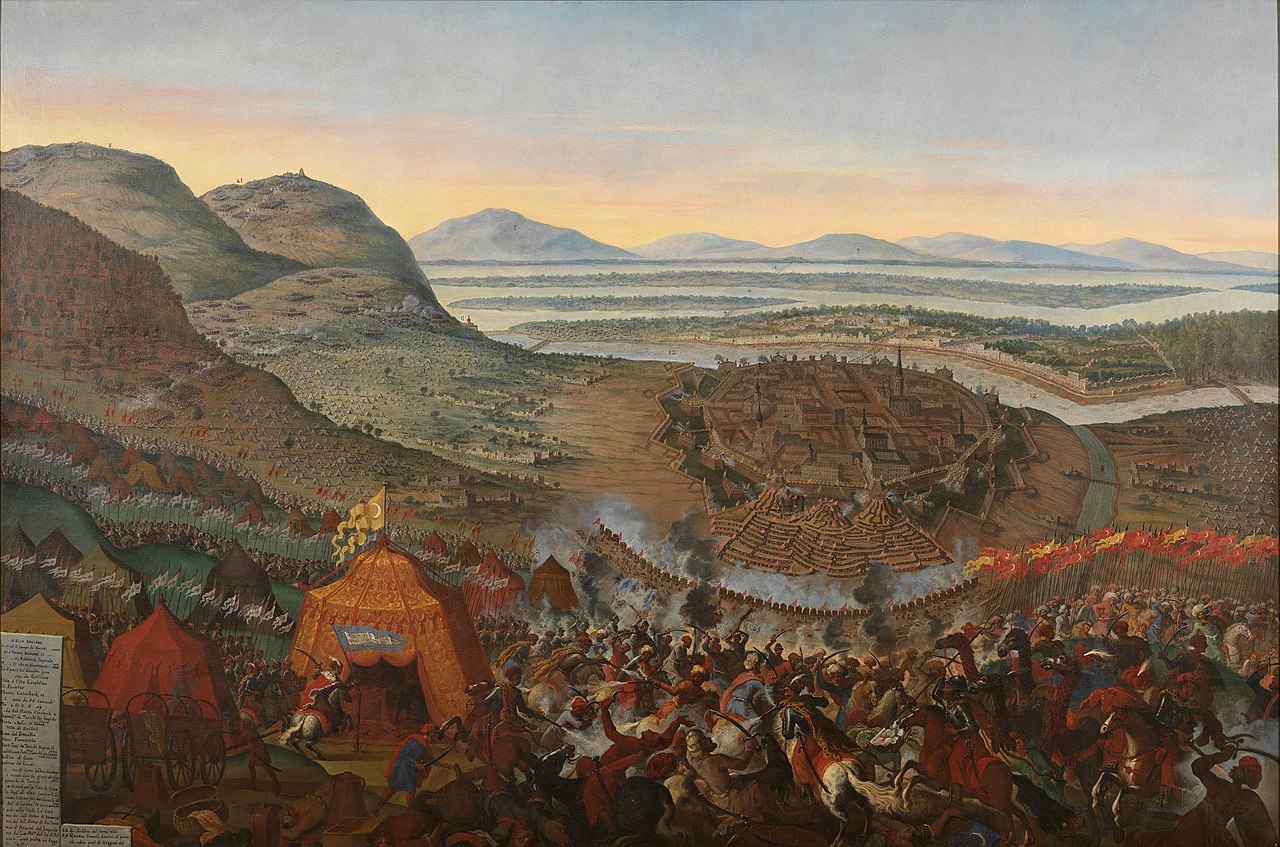
Several political and military events of 1683 had long-term consequences across Europe and beyond. The most widely remembered is the siege of a major Central European capital by Ottoman forces, which was lifted after a relief army from several European states intervened. That confrontation marked a turning point in Ottoman-European relations and contributed to the formation of subsequent alliances. In the same year, various courts and parliaments dealt with conspiracies, trials, and shifting balances of power that reflected religious and dynastic tensions of the era.
Politics, colonies and culture
Apart from warfare on the continent, 1683 saw activity in colonial settlements, trade networks, and naval competition among European powers. Intellectual life continued to advance: natural philosophers, navigators, and writers circulated new ideas that fed into the broader Scientific Revolution and the growth of print culture. Artistic and musical life also evolved locally, tied to court patronage and urban institutions.
Calendar and chronology
The notation that 1683 was a common year starting on Friday under the Gregorian calendar is relevant for historians reconciling dates recorded in different regions. During this period, some states still used the Julian calendar while others adopted Gregorian dating, so primary sources often require careful conversion when compiling chronologies and legal records.
Significance and legacy
Although any single year contains many local stories, 1683 is commonly highlighted in surveys of the late seventeenth century for its conjunction of military, political, and cultural trends. Events from that year influenced subsequent treaties, shifting frontiers, and the balance of power in Europe. For readers seeking detailed primary accounts or timelines, consult specialized works on European diplomatic and military history and on regional colonial records.
Further reading and chronologies are available through general historical compendia and specialized databases; see compendiums of seventeenth-century chronology or national archives for primary documents and year-by-year summaries.
Related articles
Author
AlegsaOnline.com 1683 (year) Leandro Alegsa
URL: https://en.alegsaonline.com/art/111619