
1675
Year 1675: an overview of major political events, scientific developments, cultural notes and notable figures connected to that year.
1675 was a year marked by military conflict in Europe and North America, by advances in practical astronomy and navigation, and by continued activity in Baroque art and literature. It sits in the later part of the 17th century, a period of dynastic rivalry, colonial expansion and scientific change across Europe and its overseas settlements.
Image gallery
6 Images




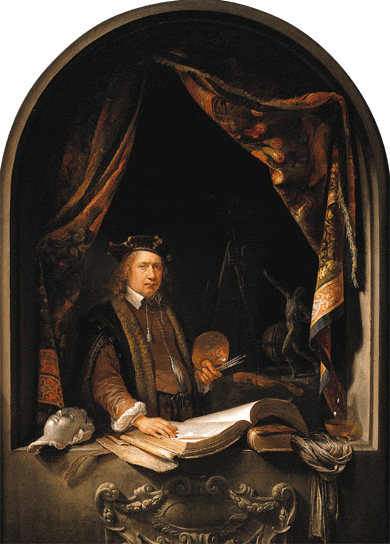
Political and military events
In Europe, 1675 fell within the era of the Franco–Dutch War and related northern campaigns. A broader northern war front opened in 1675 when several powers challenged Swedish dominance, giving rise to hostilities sometimes grouped under the Scanian War (1675–1679) or the Swedish–Brandenburg conflict. These clashes reflected shifting alliances and competition for territory and influence in the Baltic and North Sea regions.
Across the Atlantic, violence broke out in New England in what is commonly known as King Philip's War (or Metacom's War). Beginning in 1675, this conflict between Native American groups and English colonists became one of the most destructive wars per capita in early American history, with long-term consequences for indigenous communities and colonial society.
Science, navigation and exploration
1675 is notable in the history of astronomy and navigation. In England the Royal Observatory at Greenwich was established by royal initiative to improve celestial observation for navigation and timekeeping; John Flamsteed was appointed the first Astronomer Royal to carry out systematic observations. The drive to improve clocks, longitude-finding and sea navigation informed much scientific work of the period.
More generally, the mid-1670s saw active work by natural philosophers and mathematicians who were developing methods and instruments that would shape modern science. Laboratories, societies and observatories across Europe continued to exchange ideas about optics, mechanics and measurement, supporting advances in astronomy and practical engineering.
Arts and culture
The artistic climate in 1675 reflected the high Baroque: painting, theatre and music were flourishing in different national styles. In the Dutch Republic, the year is often noted for the death of Johannes Vermeer, the painter now recognized for his intimate domestic interiors and masterful control of light; he died in December 1675. Across Europe, court theatres, opera houses and patronage networks sustained composers, dramatists and painters.
Notable facts and legacy
- Royal Observatory, Greenwich: founded in 1675 and central to later improvements in navigation and timekeeping.
- King Philip's War: began in 1675 and reshaped colonial–Native American relations in New England.
- Conflict in northern Europe: 1675 opened a phase of warfare involving Sweden, Denmark–Norway, Brandenburg and others.
- Art and science: figures active in 1675 contributed to long-term developments in Baroque art and the Scientific Revolution.
For further reading and primary-source collections related to developments in this year, consult specialized histories and archival material. See additional sources on 1675.
Related articles
Author
AlegsaOnline.com 1675 Leandro Alegsa
URL: https://en.alegsaonline.com/art/111611