
Bhaati Gate — historic gate of Lahore's Walled City
An historic entrance to Lahore's Walled City dating to the Mughal period, known for its traditional architecture, adjoining bazaars and cultural legacy in Pakistan's old city.
The Bhaati Gate is a historic gateway in the Walled City of Lahore, now within modern Pakistan. It is one of the original medieval entrances to the old city and is generally dated to the Mughal era; its origin and form reflect the urban design and defensive needs of that period (Mughal times).
Image gallery
5 Images


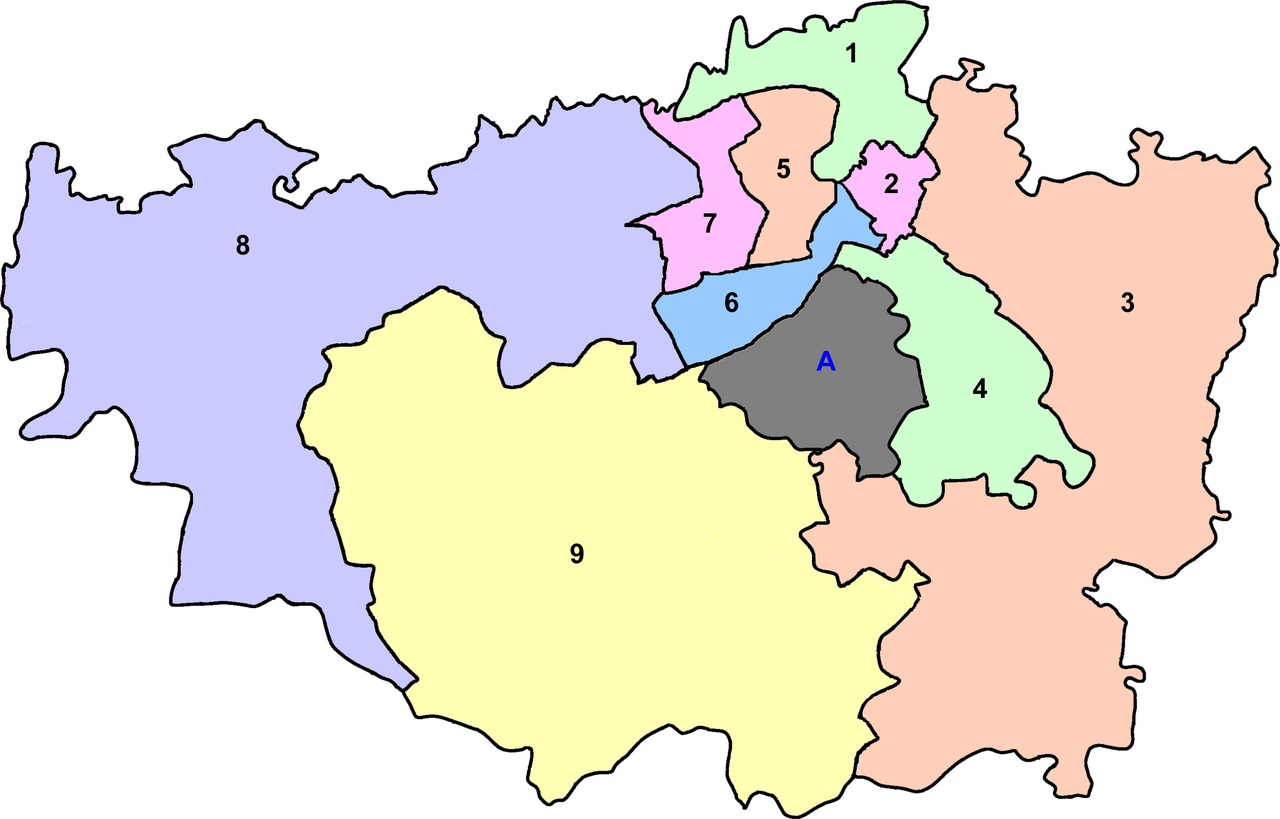
Overview and location
Situated among narrow lanes and dense residential quarters, Bhaati Gate marks a transition between the fortified ring wall and the internal bazaars and neighbourhoods. Historically, gates like Bhaati functioned both as military checkpoints and as commercial thresholds where goods, tolls and people passed in and out of the citadel.
Characteristics
- Architecture: it follows the common pattern of Mughal-period city gates — a prominent arched entrance set into a defensive wall, often flanked by towers or bastions and constructed in brick or masonry.
- Urban role: the gate opens onto a network of bazaars, workshops and homes, forming a lively urban quarter with narrow streets and pedestrian traffic.
- Name: the gate is commonly associated with the Bhatti (or Bhaati) community that once lived nearby, a naming pattern found in many South Asian cities where gates recall local clans, trades or landmarks.
History and cultural importance
Bhaati Gate is traditionally counted among the twelve historic gates of Lahore's walled enclosure. Over centuries the area around the gate developed a reputation for commerce and local crafts and became a focus for social and cultural life in the old city. Like other gates, it witnessed the changing fortunes of the city through imperial, colonial and modern periods.
Present day and notable facts
Today Bhaati Gate remains a living urban space rather than a museum piece: it is frequented by residents, shoppers and visitors interested in Lahore's heritage. Conservation efforts and heritage walks occasionally highlight the gate as part of wider campaigns to document and protect the architecture and street life of the Walled City. For visitors exploring Lahore's historic core, the Bhaati Gate area offers a direct encounter with the layered history of an old South Asian metropolis.
Further points
- It exemplifies how gates combined defensive, administrative and commercial functions in pre-modern cities.
- Its surroundings illustrate traditional urban patterns — bazaars, residential courtyards and small-scale artisanship.
- As with many historic gates, its preservation depends on balancing living use with conservation priorities.
Related articles
Author
AlegsaOnline.com Bhaati Gate — historic gate of Lahore's Walled City Leandro Alegsa
URL: https://en.alegsaonline.com/art/11160