
1641
A pivotal year of political and religious crisis: the Irish Rebellion, escalating conflict between Charles I and Parliament in England, and continuing turmoil in the Thirty Years' War across Europe.
1641 was a year of acute political and religious tension across the British Isles and continued military and diplomatic strain on the Continent. It is chiefly remembered for the Irish Rebellion that began in October and for a sequence of parliamentary confrontations in England that drove the kingdom closer to civil war.
Image gallery
8 Images





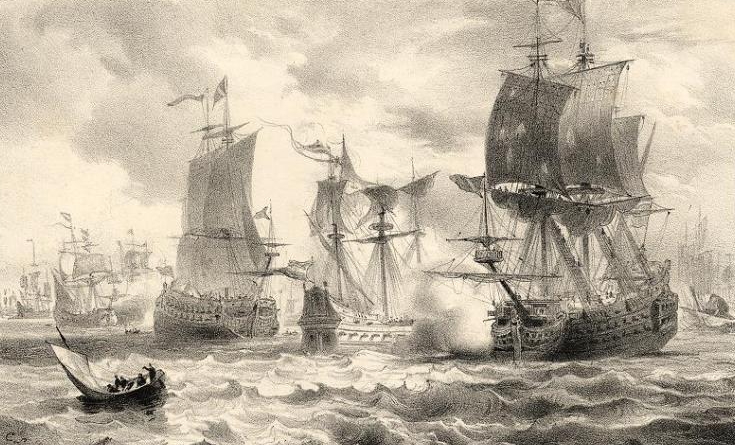
Political context
The decade opened with contested royal authority, fiscal pressure, and confessional divisions. Monarchs sought resources and uniformity of governance while parliaments, regional elites and religious groups resisted perceived overreach. Events of the late 1630s and 1640 had already weakened standing institutions and stirred expectations of reform.
England
In England, Parliament moved assertively against councillors seen as architects of royal policy. Thomas Wentworth, Earl of Strafford, lost office and, after a contentious trial and an act of attainder, was executed in 1641. Political leaders in Parliament, notably John Pym and others, pressed measures to curb the king's prerogative, reduce the influence of bishops, and secure control over the militia and public finance. The Grand Remonstrance, presented to the king late in the year, catalogued parliamentary grievances and intensified polarisation between court and Commons.
Ireland
In Ireland, a revolt of Irish Catholic gentry and their followers erupted in the autumn. The rebellion drew on long-standing grievances over land settlement, religion and local government, and it rapidly produced widespread violence, contested reports of atrocities, and the mobilization of both loyalist and rebel forces. The uprising would lead to the formation of a Confederate Irish government the following year and have lasting demographic and political consequences for the island.
Continental and overseas dimensions
On the Continent the Thirty Years' War continued to shape alliances, military deployments and diplomacy, even as local revolts and dynastic disputes complicated the scene. Overseas, English and other European colonies felt the effects of metropolitan instability through reduced resources, changing migration patterns and shifting commercial priorities.
Significance and aftermath
The events of 1641 deepened mistrust between crowns and representative bodies, inflamed sectarian fears, and made armed conflict more likely. In England the parliamentary struggle that intensified during the year opened a path to civil war, while in Ireland the rebellion altered settlement patterns and political alignment for decades. Across Europe, the continuing continental war ensured the decade remained one of major upheaval and realignment.
Related articles
Author
AlegsaOnline.com 1641 Leandro Alegsa
URL: https://en.alegsaonline.com/art/111577