
1656: a year of war, science, and plague
Overview of the year 1656: calendar note, major conflicts, scientific advances, the Italian plague, notable births and cultural developments.
1656 was a leap year that began on a Saturday according to contemporary reckoning; a convenient calendar reference can be found here. The year sits amid a turbulent mid-17th century marked by overlapping wars, religious controversies, technological progress and severe public-health crises.
Image gallery
7 Images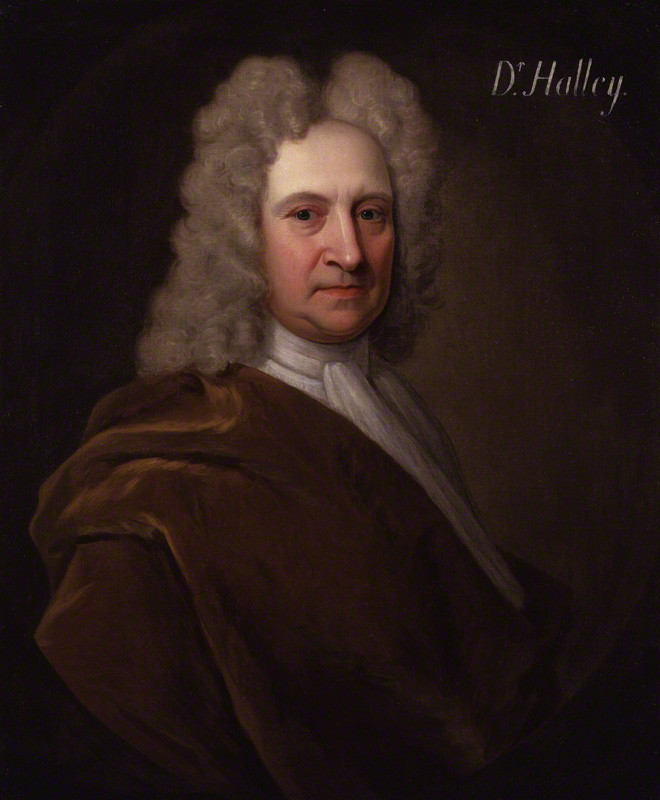




Politics and conflicts
Europe in 1656 remained shaped by the aftershocks of the Thirty Years' War and a series of regional struggles. In Eastern Europe the Second Northern War (often called the Deluge in Polish history) produced major engagements: the Battle of Warsaw (1656) was a large clash in which Swedish and allied forces gained a significant tactical advantage over the Polish–Lithuanian Commonwealth. In England, the republican Protectorate under Oliver Cromwell continued to govern; the politics of the Interregnum included parliamentary sessions and administrative experiments aimed at stabilizing the state after civil war.
Science, ideas and culture
Scientific and intellectual life advanced despite political upheaval. The Dutch scientist Christiaan Huygens is credited with the invention of the practical pendulum clock around this time, an innovation that improved timekeeping and later influenced astronomy and navigation. In France, Blaise Pascal engaged in literary and religious controversy with works that would appear in the mid-1650s, contributing to debates over Jansenism and ecclesiastical authority.
Health and society
1656 saw devastating outbreaks of plague in parts of Italy, most notably in the Kingdom of Naples and surrounding regions. These epidemics caused widespread mortality, disrupted trade and governance, and left long-term social and economic effects in affected cities.
Notable births and legacy
- Edmond Halley, the English astronomer after whom Halley's Comet is named, was born in 1656; his later work would be important to observational astronomy and celestial mechanics.
The year 1656 illustrates the mixture of innovation and catastrophe typical of the 17th century: military confrontation and state-building proceeded alongside breakthroughs in science and recurring public-health crises. For readers seeking calendar details or a quick reference for events and persons of this year, see the linked calendar entry above.
Related articles
Author
AlegsaOnline.com 1656: a year of war, science, and plague Leandro Alegsa
URL: https://en.alegsaonline.com/art/111592