
1661: Key events, rulers and calendar contexts
Overview of the year 1661 including calendar details, major political changes in Europe and Asia, notable sieges and cultural notes, with lists of prominent events and figures.
1661 was a common year described differently by the two principal calendars in use at the time: in the Gregorian calendar it began on a Saturday, while in the older Julian calendar it began on a Tuesday. For general reference see the entries on the Gregorian calendar and the Julian calendar. These differing civil reckonings affected record keeping across states that had not yet adopted the Gregorian reform; historians frequently note both conventions when dating events from this era.
Image gallery
10 Images





Overview and political change
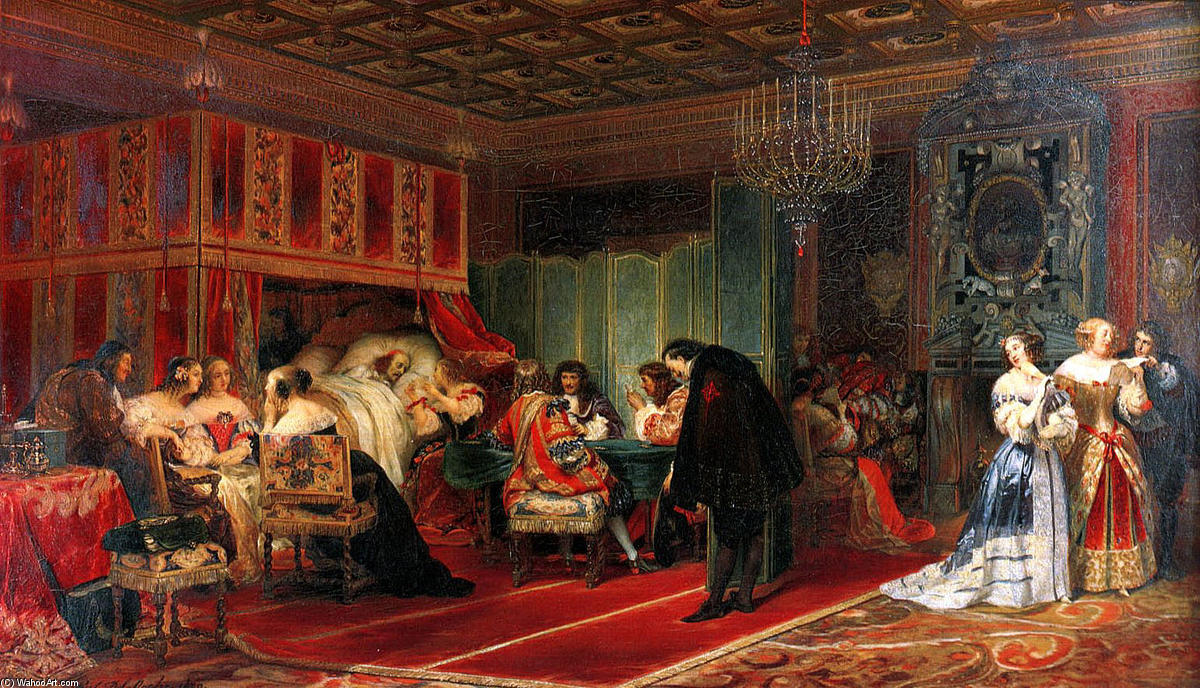
The year saw important successions and shifts in authority. In England, 1661 followed the Restoration period: King Charles II continued to consolidate his rule and was formally crowned in a ceremony that emphasized royal reestablishment after the republican interlude. In France, the powerful minister Cardinal Mazarin died in 1661, after which King Louis XIV took fuller control of government affairs and began a period commonly described as personal rule.
Events of note
- East Asia: The Ming-Qing transition continued to reshape China’s imperial politics. The young Kangxi Emperor ascended the Qing throne in 1661 and would become one of China’s longest-reigning emperors, though his early years involved regency and court factionalism.
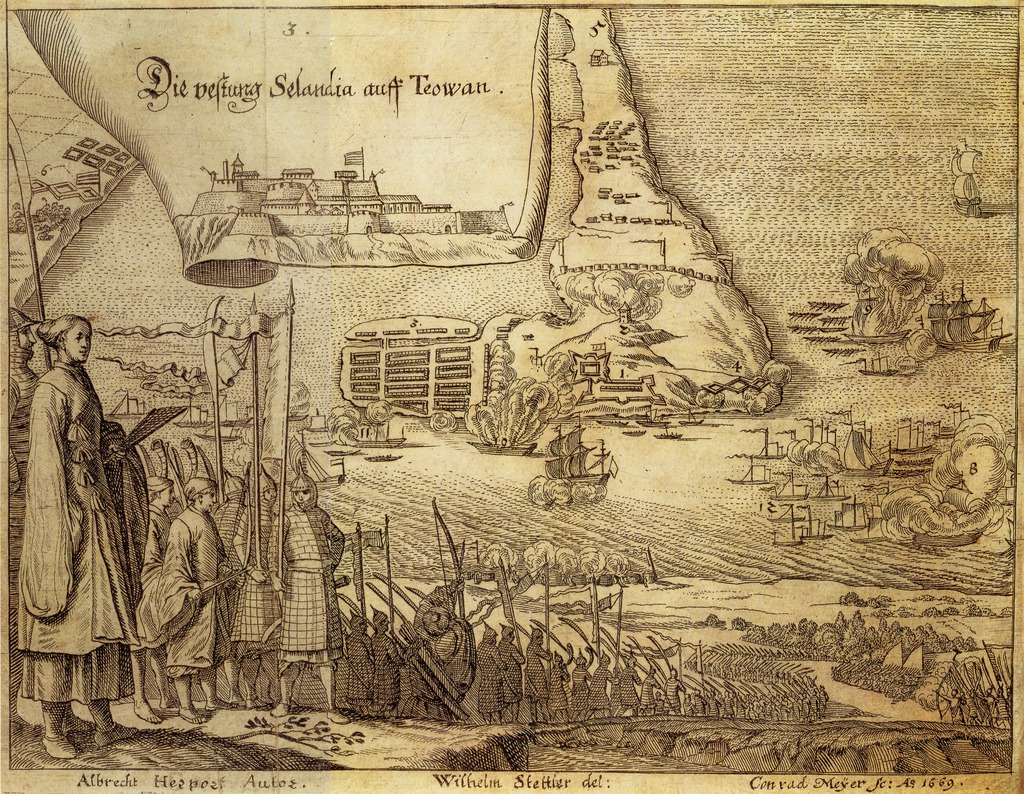
- Maritime and colonial affairs: In East Asia, the military leader Zheng Chenggong (commonly known as Koxinga) launched operations against the Dutch presence on Taiwan, beginning a siege of Fort Zeelandia that started in 1661 and concluded the following year.
- Cultural and scientific life: Intellectual societies and court patronage in Europe continued to rebuild and flourish after the disruptions of mid-century conflict; salons, learned clubs and early scientific assemblies maintained growing influence.
Notable births and deaths
Prominent figures who died or rose to prominence in 1661 affected later decades. Cardinal Mazarin’s death removed a major behind-the-scenes statesman in France, and in China the change of emperors marked the start of a significant reign. For concise chronological and biographical references see general chronologies and year-by-year summaries such as those at annual historical listings and museum or national archives guides (archival overview).
Why 1661 matters
Though not a year defined by a single global turning point, 1661 is significant for transitions of power and for events that presaged later developments: the centralization of royal authority in France under Louis XIV, the consolidation of the restored monarchy in Britain, and shifts in East Asian control that influenced colonial and regional dynamics. Researchers looking for detailed primary-source material or contemporary accounts may consult specialized collections and digitized diaries and state papers (research links).
Questions and answers
Q: What year is being referred to in this text?
A: The text is referring to the year 1661.
Q: What is significant about the year 1661?
A: The only information provided in the text about the significance of 1661 is that it was a common year starting on a Saturday in the Gregorian calendar and a common year starting on a Tuesday in the Julian calendar.
Q: What is the difference between the Gregorian calendar and the Julian calendar?
A: The Gregorian calendar was introduced by Pope Gregory in 1582 as a reform of the Julian calendar. The main difference between the two calendars is the way leap years are accounted for. The Julian calendar adds a leap day every four years, while the Gregorian calendar skips leap years in years divisible by 100 but not divisible by 400.
Q: What day of the week did 1661 begin on in the Gregorian calendar?
A: According to the text, 1661 began on a Saturday in the Gregorian calendar.
Q: What day of the week did 1661 begin on in the Julian calendar?
A: According to the text, 1661 began on a Tuesday in the Julian calendar.
Q: What is a "common year"?
A: A "common year" is a year that is not a leap year, meaning it has 365 days instead of 366.
Q: Is there any other information we can gather from this text about the year 1661?
A: No, the text only provides information about the day of the week that the year began on in two different calendars, and the fact that it was a common year.
Related articles
Author
AlegsaOnline.com 1661: Key events, rulers and calendar contexts Leandro Alegsa
URL: https://en.alegsaonline.com/art/111597