
1629
Overview of the year 1629, its major political and colonial events, and its place in the Thirty Years' War and early modern global expansion.
1629 was a common year that began on Monday in calendar reckonings of the period; see the 1629 calendar for layout. It sits in the middle of the early modern era, a decade shaped by religious conflict in Europe, growing colonial enterprises overseas, and state consolidation in several regions.
Image gallery
9 Images


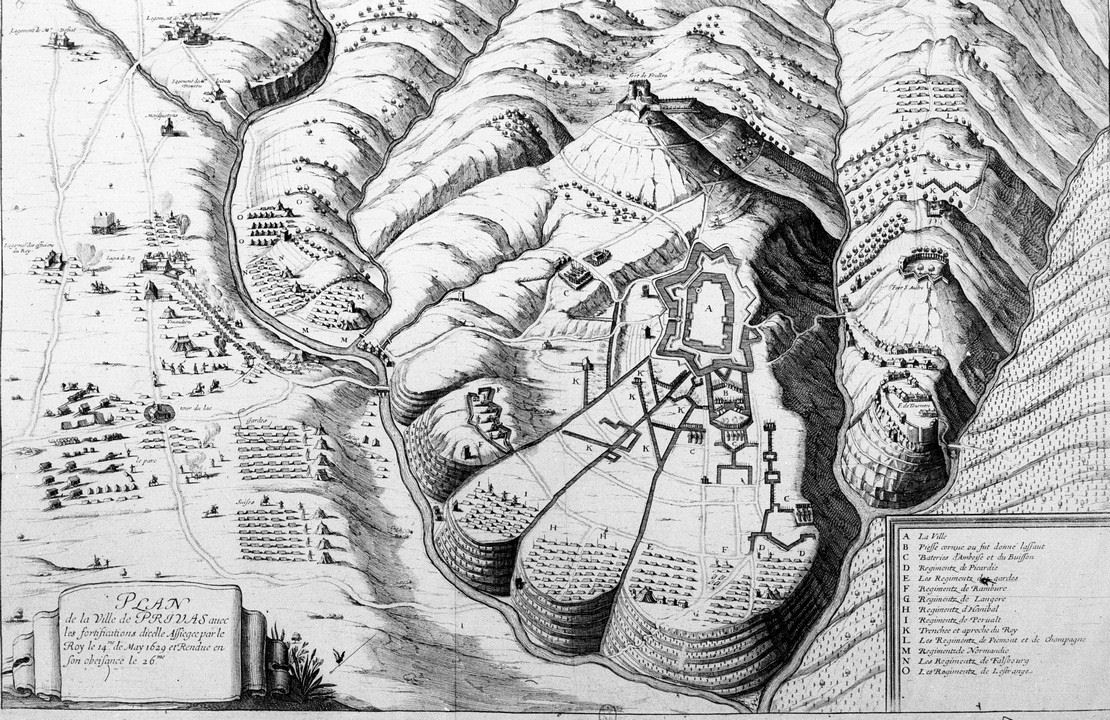

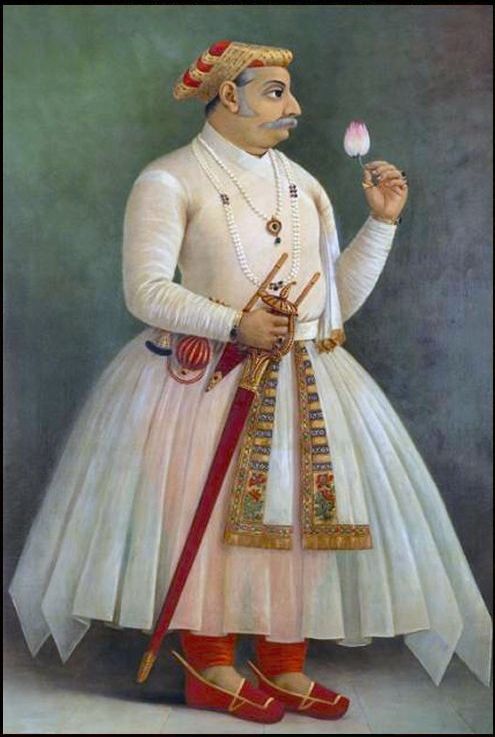


Major events
- Europe: The Thirty Years' War continued to reshape central Europe. In March, Emperor Ferdinand II issued the Edict of Restitution, an imperial decree aimed at restoring Catholic properties lost to Protestants since 1552, intensifying confessional tensions.
- Diplomacy: In May, a diplomatic settlement removed Denmark as a principal combatant in the German theatre, effectively ending King Christian IV's intervention and changing the war's balance of power.
- England: King Charles I dissolved Parliament and entered a period of Personal Rule, governing without Parliament for the next decade — a development that contributed to later political crisis.
- Maritime and colonial history: In the Indian Ocean, the Dutch East India Company suffered a famous shipwreck when the VOC ship Batavia was lost off the coast of Western Australia; the disaster led to a notorious mutiny and massacre among survivors. In North America, the Massachusetts Bay Company received a royal charter that enabled greater Puritan migration and colonial consolidation in New England.
These events illustrate the interconnected nature of seventeenth-century politics: European religious wars affected diplomacy and military commitments, while expanding maritime trade and colonization created new sites of conflict and cultural contact.
Context and significance
The measures taken in 1629 — from imperial edicts in Germany to royal decisions in England — accelerated processes that would reshape states and societies. The Edict of Restitution hardened confessional lines and helped prolong continental warfare until broader coalitions and shifting alliances emerged later in the Thirty Years' War. England's Personal Rule heightened domestic tensions that eventually contributed to the English Civil Wars in the 1640s.
At the same time, maritime disasters and colonial charters show how global trade networks were expanding and producing new legal and social frameworks in the Atlantic and Indian Oceans. The year is therefore a useful snapshot of a world where warfare, religion, commerce, and colonization were deeply entangled.
Related articles
Author
AlegsaOnline.com 1629 Leandro Alegsa
URL: https://en.alegsaonline.com/art/111564