
The 1630s: a decade of war, colonization and cultural change
Overview of the 1630s decade: major wars and politics in Europe, colonial expansion in the Americas, religious conflicts, scientific and artistic developments, and notable events that shaped the mid-17th century.
Overview
The 1630s (1 January 1630 to 31 December 1639) were shaped by intense military conflicts in Europe, accelerating colonial settlement overseas, and important cultural and scientific developments. The decade sits in the middle of the long, destructive Thirty Years' War in Europe while also witnessing the consolidation of early colonial societies in North and South America and growing centralization of state power.
Image gallery
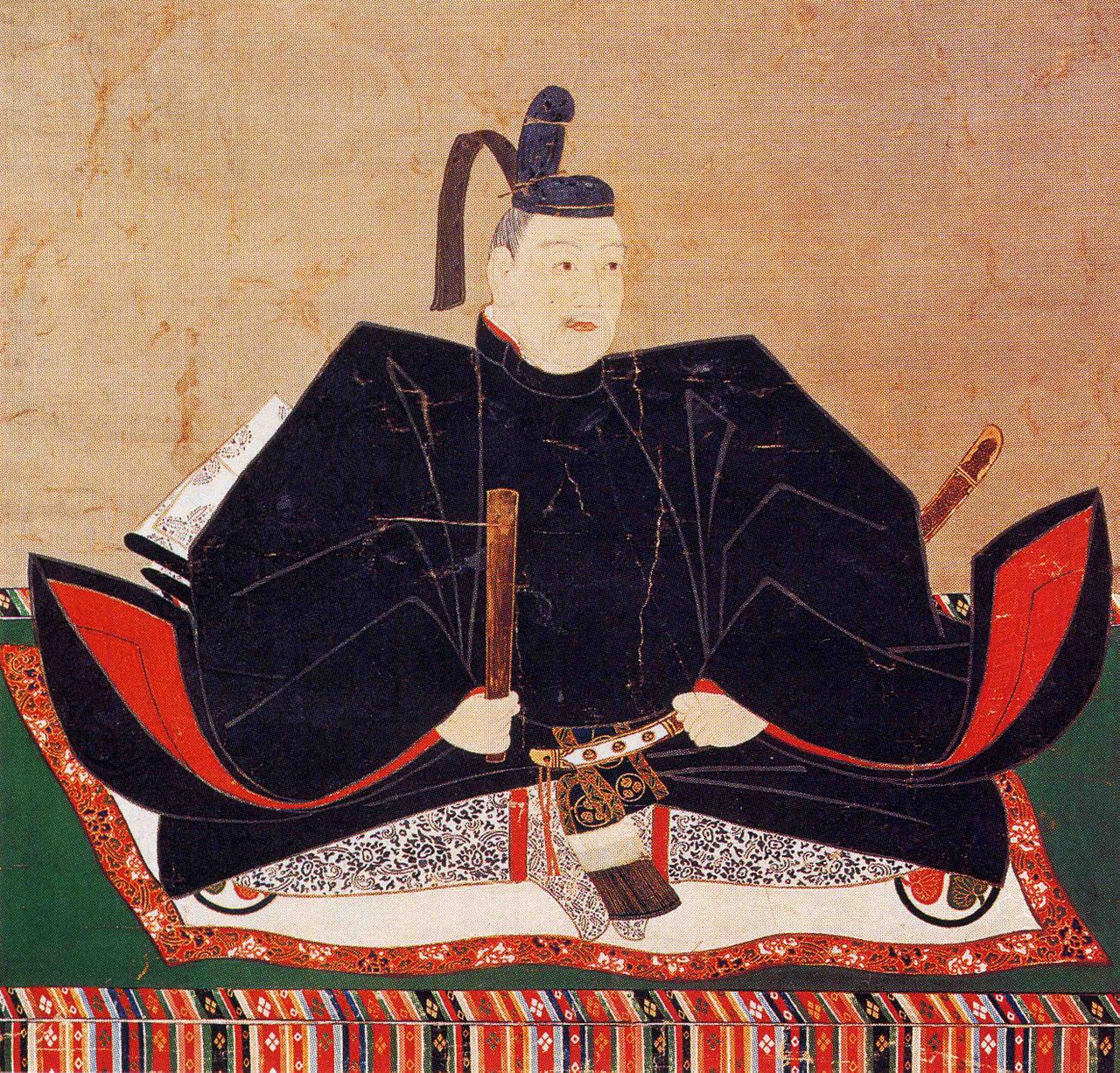
10 Images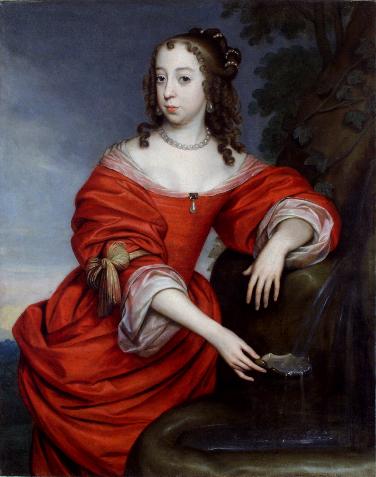




Major political and military events
The Thirty Years' War continued to dominate continental affairs: Swedish intervention under Gustavus Adolphus produced dramatic victories early in the decade, though he died in battle in 1632. France moved from diplomatic maneuvering to open opposition to Habsburg power in the mid-1630s. In the British Isles, tensions between Charles I's government and opponents increased; Scottish resistance to Anglican liturgy produced the Covenanting movement and the outbreak of the First Bishops' War by the end of the decade.
Colonization and the Americas
The English Great Migration to New England intensified: leaders and settlers established Boston and surrounding towns, while dissidents founded Rhode Island and Connecticut. Conflicts between European settlers and Indigenous nations erupted into violence, notably the Pequot War in New England. The Dutch expanded in Brazil and the Caribbean, seizing territories in Pernambuco, and French and Spanish colonial activities continued across the Americas.
Religion, science and culture
Religious disputes—between Protestant factions, and between state churches and dissenters—shaped politics and migration. Scientific and intellectual life advanced amid controversy: Galileo was tried and placed under restrictions, while figures such as Johannes Kepler (who died in 1630) left lasting work. In the arts, Baroque painting and sculpture flourished in Europe, and painters like Rembrandt produced important early works.
Notable developments and legacy
The 1630s saw consolidation of centralized states, shifts in military methods, and patterns of settlement that influenced later colonial societies. Religious and political conflicts of the decade presaged larger upheavals in the 1640s, while cultural and scientific achievements continued to shape intellectual life across Europe and its colonies.
Related articles
Author
AlegsaOnline.com The 1630s: a decade of war, colonization and cultural change Leandro Alegsa
URL: https://en.alegsaonline.com/art/111566