
1633
Events and context of the year 1633: a year in the early modern period marked by the Galileo trial, ongoing European wars, Baroque culture, and colonial expansion.
Overview
The year 1633 falls in the early modern era, a period defined by religious conflict, imperial competition, and the Scientific Revolution. It was a common year that began on a Saturday in the Gregorian calendar; contemporary references to its calendar position can be found via calendar sources. Politically and culturally, 1633 sits amid the long, disruptive Thirty Years' War and the flourishing Baroque movement in arts and architecture.
Image gallery
10 Images


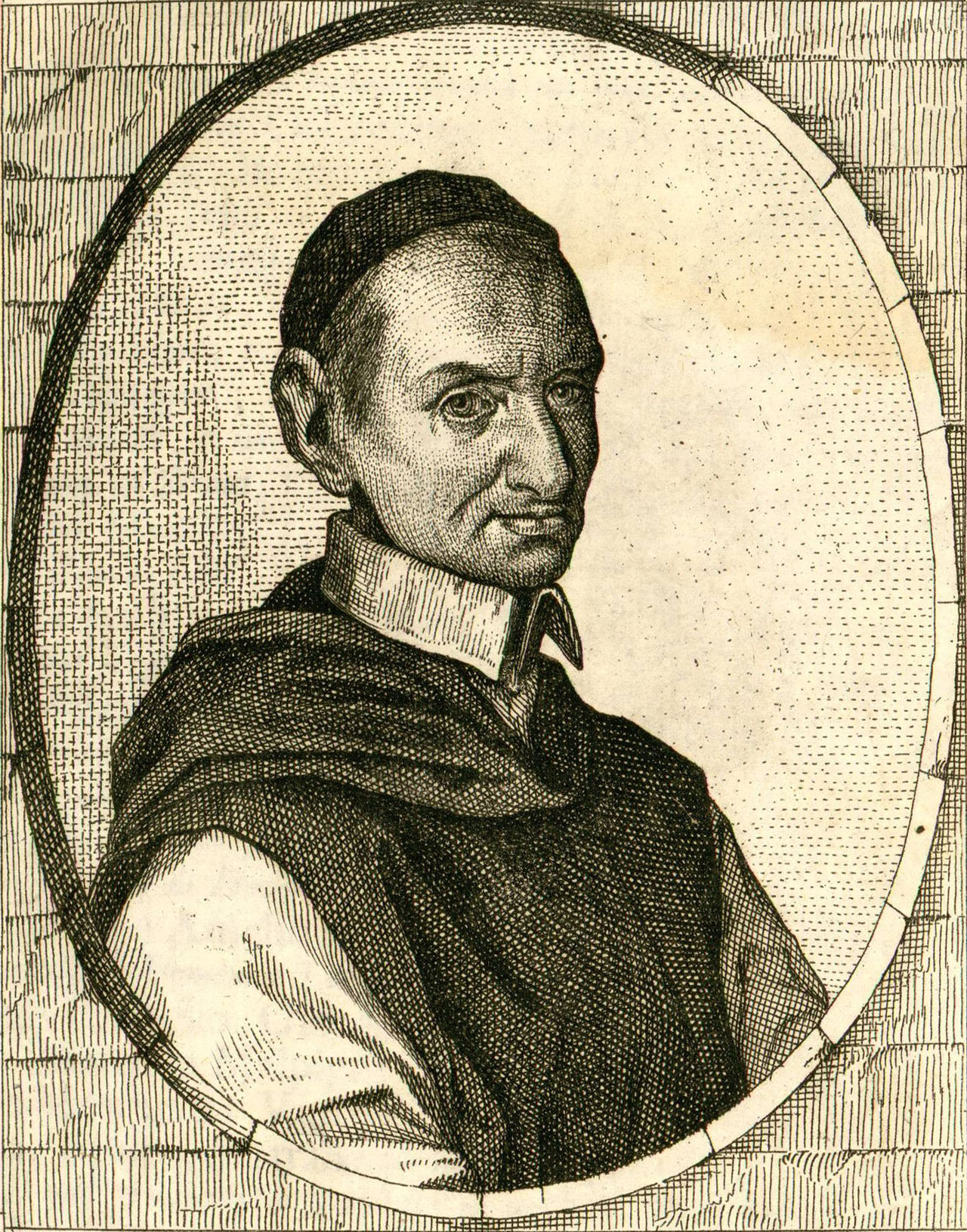


Politics and war
Large parts of Europe remained engaged in prolonged military and diplomatic struggles rooted in confessional divisions and dynastic rivalries. The Thirty Years' War continued to reshape alliances, territories, and economies across the Holy Roman Empire and neighboring states. Monarchs and ministers also pursued colonial and commercial expansion overseas, intensifying competition in the Americas, Africa, and Asia.
Science, religion, and society
1633 is best remembered for a landmark confrontation between scientific inquiry and ecclesiastical authority. Galileo Galilei, whose heliocentric advocacy followed his 1632 Dialogue, faced the Roman Inquisition; he was tried, compelled to recant, and placed under house arrest. This episode became emblematic of tensions surrounding new astronomical discoveries and traditional theological interpretations during the Scientific Revolution.
Culture and intellectual life
The Baroque aesthetic dominated painting, architecture, and music, emphasizing drama, contrast, and ornate detail. Intellectual networks and correspondence sustained the circulation of ideas across Europe, from natural philosophy to political thought. In England, ecclesiastical appointments and court patronage influenced religious practice and cultural production.
Selected events and figures
- Galileo Galilei: Tried by the Inquisition and forced to retract support for heliocentrism; afterwards placed under house arrest.
- Ecclesiastical change in England: William Laud rose to greater prominence within the Church of England, affecting liturgy and policy.
- Notable birth: Samuel Pepys, later famous for his diary chronicling Restoration England, was born in 1633.
Taken together, the events of 1633 illustrate a world in transition: scientific challenges to inherited authorities, persistent interstate and confessional warfare, and cultural currents that would shape the later seventeenth century.
Related articles
Author
AlegsaOnline.com 1633 Leandro Alegsa
URL: https://en.alegsaonline.com/art/111569