
1631
1631 was a year in the early 17th century notable for major actions in the Thirty Years' War, including the Sack of Magdeburg and the Swedish victory at Breitenfeld, and for cultural births such as poet John Dryden.
In the Gregorian calendar, 1631 was a common year that began on a Wednesday. The year unfolded against the backdrop of the Thirty Years' War, an extended religious and political conflict across central Europe that shaped diplomacy, military practice, and population movements in the 17th century.
Image gallery
8 Images




Overview
Military events dominated 1631. Armies from several states clashed in campaigns that altered regional power balances. Swedish intervention under King Gustavus Adolphus and continued Imperial and Catholic League operations created episodes of decisive combat and severe civilian suffering. The social and economic consequences of warfare and related displacement were widely felt.
Major events
- Sack of Magdeburg (May 1631) — Imperial and League forces captured and devastated the Protestant city of Magdeburg; the destruction became a symbol of the war's brutality and produced large civilian casualties and refugees.
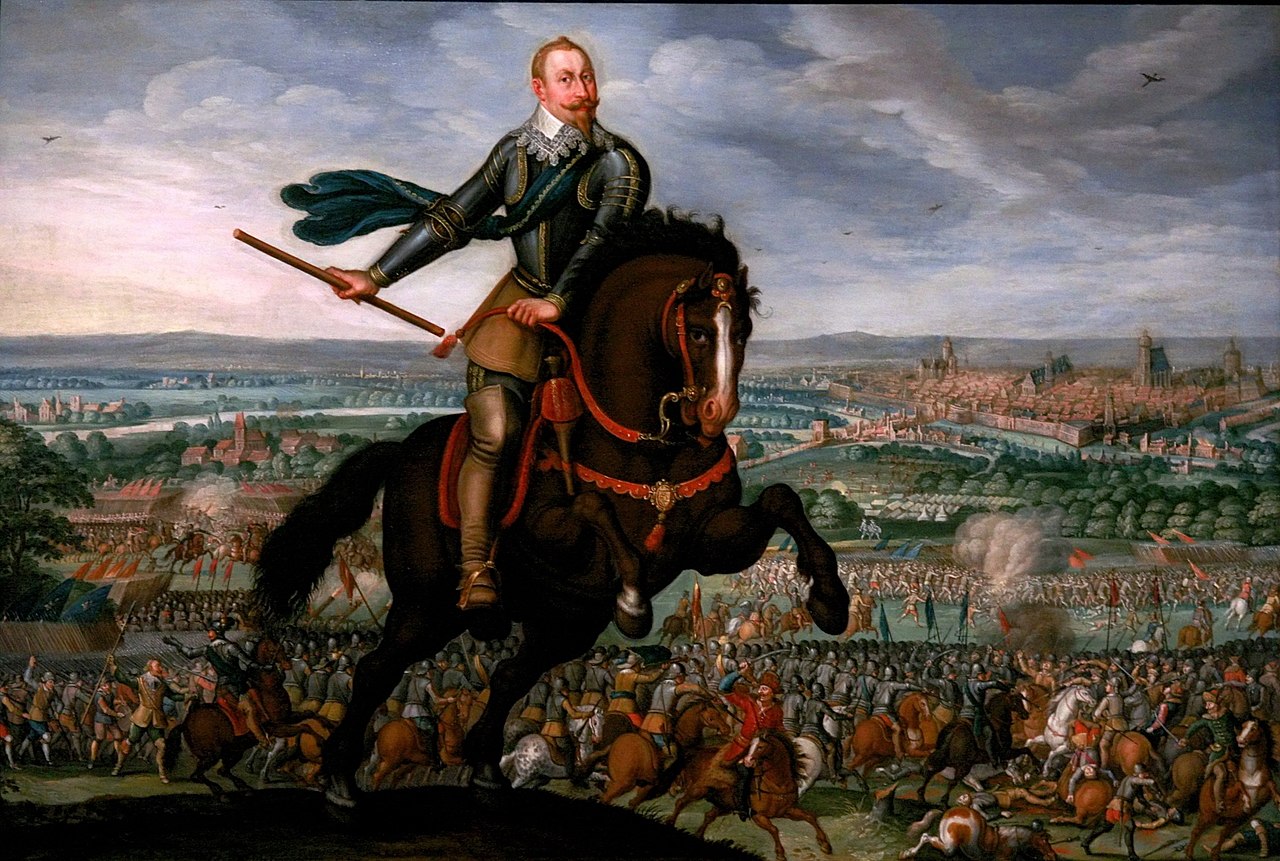
- Battle of Breitenfeld (17 September 1631) — Swedish-protestant forces under Gustavus Adolphus defeated the Catholic League army led by Count Tilly, marking a major shift in military fortunes and enhancing Sweden's influence in Germany.
- Ongoing campaigns and sieges across the Holy Roman Empire further redistributed territory and strengthened the role of professional standing armies in Europe.
Notable births and deaths
- Notable birth: John Dryden, later an important English poet, literary critic and dramatist, was born in 1631.
- Other figures across politics, religion and the arts who influenced mid-17th-century life were born or active in this period; the year saw fewer single cultural breakthroughs than an accumulation of wartime changes.
Context and significance
1631 is remembered chiefly for military and humanitarian consequences. The events of the year contributed to the long-term fragmentation and depopulation of parts of central Europe, the rise of Sweden as a continental power, and changes in military tactics and organization. The human cost highlighted the need for diplomatic settlements that would eventually culminate in the Peace of Westphalia later in the decade.
Related articles
Author
AlegsaOnline.com 1631 Leandro Alegsa
URL: https://en.alegsaonline.com/art/111567