
1625 (year)
Events and developments of the year 1625, including political succession in England, phases of the Thirty Years' War, Dutch–Spanish conflict, colonial activity, and notable births and deaths.
Overview
The year 1625 belonged to a turbulent decade in early modern Europe. It saw important political changes in England, continuing campaigns in the Thirty Years' War on the Continent, major actions in the Dutch–Spanish struggle, and ongoing European colonial expansion in the Atlantic. Cultural life and court politics reflected the tensions of dynastic rivalry and religious conflict that shaped the later seventeenth century.
Image gallery
10 Images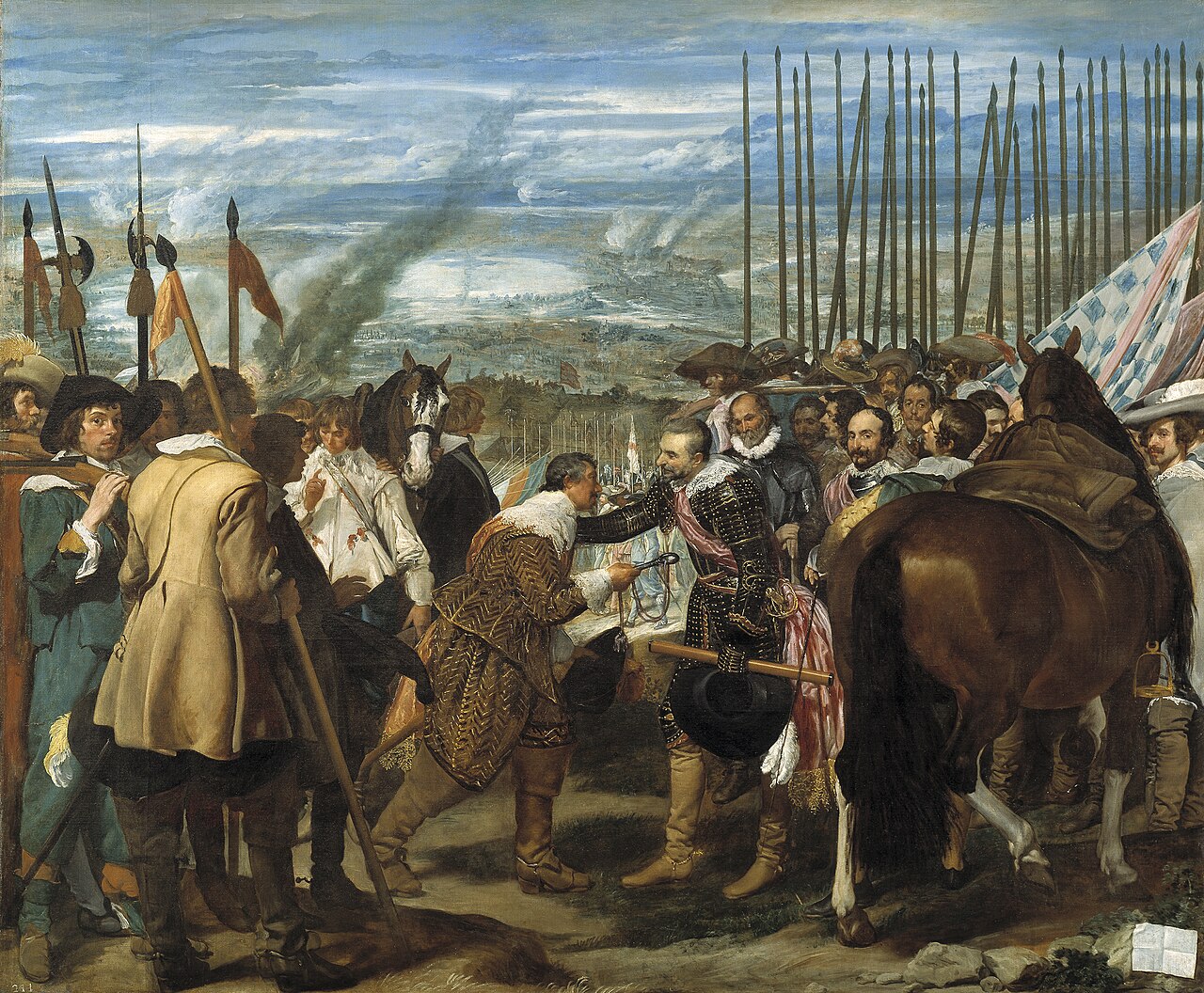






Political and dynastic change in England
In 1625 the Stuart dynasty experienced a major transition when King James I of England and VI of Scotland died and was succeeded by his son, Charles I. The new king's early reign was marked by strained relations with Parliament over war finance and religion. In the same year Charles married Henrietta Maria of France, a Catholic princess, a union that influenced English court politics and provoked controversy among Protestants.
War in Europe: Thirty Years' War and the Low Countries
The Thirty Years' War continued to reshape Central Europe. Denmark, under King Christian IV, intervened on the Protestant side during 1625, initiating the so-called Danish phase of the conflict. In the Spanish Netherlands, the protracted Siege of Breda (1624–1625) ended with Spanish capture of the city by forces commanded by Ambrogio Spinola, a significant episode in the Dutch struggle for independence.
Colonies, trade and exploration
European colonial activity in North America and the Caribbean expanded during the mid-1620s. The Dutch West India Company consolidated its presence in New Netherland and the settlement that would become New Amsterdam grew as a trading post. English and French colonial ventures in the Atlantic continued to develop, driven by commerce in furs, sugar and other commodities.
Notable births and deaths
- Deaths: Important figures who died in 1625 included King James I of England and Maurice of Nassau, the Dutch stadtholder and military leader; their deaths had immediate political consequences in their realms.
- Births: The year saw the birth of several people who later influenced politics, letters and science across Europe (specific dates and lesser-known names vary by region).
Significance and legacy
The events of 1625 deepened the conflicts that would dominate the rest of the century: intensified dynastic and religious rivalries in Europe, persistent military campaigns in the Low Countries and central Europe, and accelerating colonial competition overseas. Changes begun or confirmed in 1625—new monarchs, shifting alliances and strategic captures—helped set the stage for later crises, including the English Civil War and subsequent phases of the Thirty Years' War.
Related articles
Author
AlegsaOnline.com 1625 (year) Leandro Alegsa
URL: https://en.alegsaonline.com/art/111560