
1603 — death of Elizabeth I, Union of the Crowns, and the Tokugawa shogunate
Year that saw Elizabeth I's death and James VI of Scotland accede to the English throne, forming the Union of the Crowns, and Tokugawa Ieyasu's appointment as shogun in Japan, marking a new era of rule.
Overview
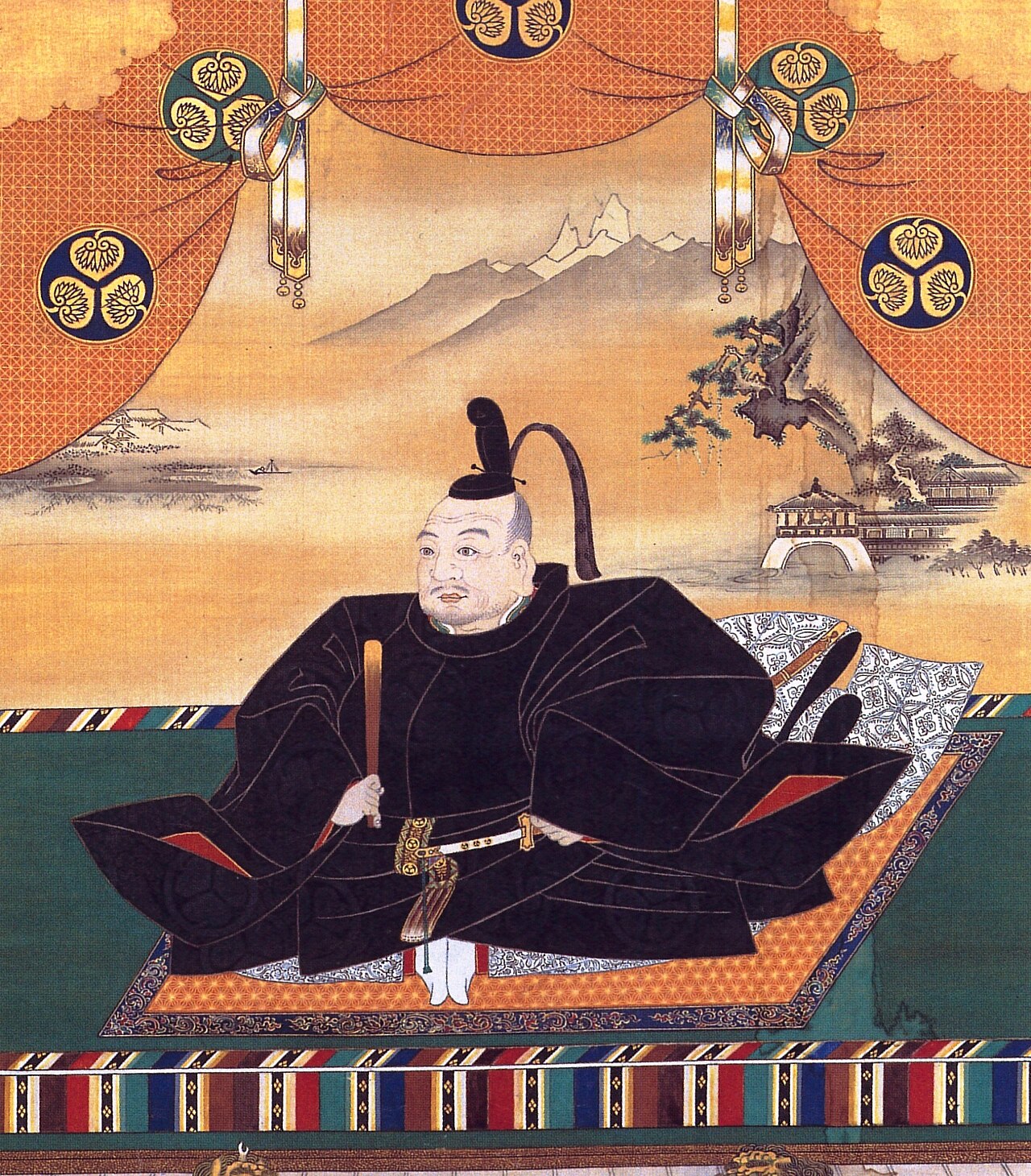
The year 1603 is widely regarded as a pivotal moment in early modern history. In England the death of Elizabeth I ended the Tudor dynasty and brought James VI of Scotland to the English throne as James I, initiating the personal Union of the Crowns. In Japan, Tokugawa Ieyasu was formally granted the title of shogun, establishing the Tokugawa (Edo) shogunate and beginning a long period of centralized military government and internal stability.
Image gallery
10 Images



Key political events
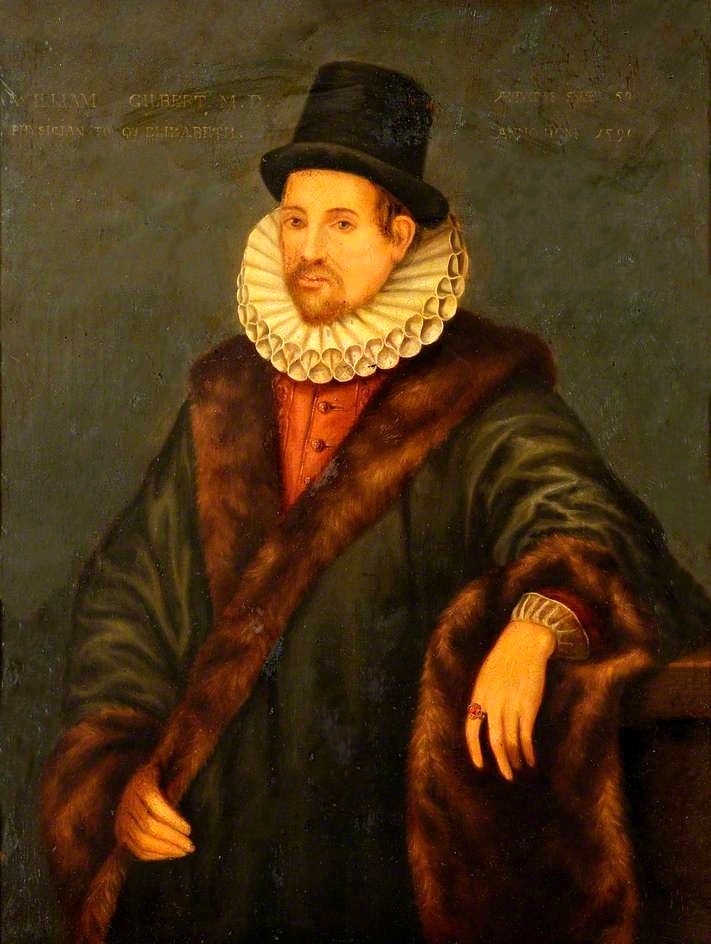
- England and Scotland: Elizabeth I died in March 1603. James VI of Scotland succeeded as monarch of England and Ireland, creating a dynastic but not constitutional union; separate parliaments and legal systems remained. His accession shaped royal policy, court patronage and the religious questions that would dominate the seventeenth century.
- Japan: Following years of warfare that culminated in decisive military successes at the turn of the century, Tokugawa Ieyasu received recognition as shogun in 1603 and founded the bakufu at Edo (modern Tokyo). The new regime reorganized military and administrative structures and set patterns of rule that endured into the nineteenth century.
- Ireland: The collapse of organized Gaelic resistance in Ulster around 1603 marked the effective end of the Nine Years' War; the submission of several leading Gaelic lords opened the way for tighter English control and later plantation policies.
Culture and society
1603 affected cultural life in England and beyond. In London the company of actors formerly under the Lord Chamberlain received royal patronage from the new king and became the King’s Men, an important boost for dramatists including William Shakespeare. Across Eurasia the year fits within broader trends: stronger centralized states, managed trade networks, and competing confessional and intellectual currents after the Reformation. In Japan, decades of peace under Tokugawa rule promoted urban growth, commercial activity and a reinforced social hierarchy that grouped samurai, peasants, artisans and merchants into distinct classes.
Significance and longer-term consequences
The Union of the Crowns did not create a single British state but it reshaped dynastic politics and set the stage for seventeenth-century conflicts over monarchy, religion and empire. The Tokugawa shogunate’s establishment consolidated military authority, reduced internal warfare and initiated policies that would limit foreign contact and regulate social life, with effects lasting until the mid-nineteenth century. Together these events illustrate divergent regional responses to the challenges of state-building in the early modern world.
Notable facts
- The change of dynasty in England marked the end of Tudor rule and the beginning of Stuart monarchy under James I.
- The Tokugawa bakufu centralized administrative control in Edo and reorganized Japan’s feudal order.
- 1603 is often cited by historians as a hinge year that highlights political consolidation and cultural realignment across different regions.
Related articles
Author
AlegsaOnline.com 1603 — death of Elizabeth I, Union of the Crowns, and the Tokugawa shogunate Leandro Alegsa
URL: https://en.alegsaonline.com/art/111538